Reviewed · CRETE TOURS & ACTIVITIES
WWII – The Battle of Crete Day Tour
Four WWII stops, one hard chapter.
This Battle of Crete day trip from Chania uses an air-conditioned minivan and a tight route to take you to key WWII sites, including Maleme, Tavronitis Bridge, and both German and British Commonwealth war cemeteries. With an English-speaking local driver/escort and a group capped at 15, it’s set up so you can ask questions and understand what you’re seeing, not just drive past it.
I love the small group feel. I also love that the price covers entrance fees, plus hotel pickup and drop-off in the Chania region, snacks, and bottled water. That combo turns a complicated subject into an easy, well-timed day.
One consideration: it’s about 6 hours, and the battle moves fast across multiple locations. At some stops, you’ll spend time at viewpoints and memorial ground rather than walking every battlefield detail, so it may not satisfy someone who wants to physically pace every phase of the fighting.
In This Review
- Key things to know before you go
- From Chania at 9:00 am: the day-trip rhythm that works
- Maleme: starting at the place your brain remembers
- Tavronitis Bridge: a short stop with big context
- German Military Cemetery: where the story turns personal
- Souda Bay War Cemetery: the Commonwealth chapter you should not skip
- Galatas and the route in between: why the drive is part of the lesson
- The guide factor: voices like Yannis, Babis, Giannis, and Ioannis
- Private collector museum moments and memorabilia time
- What the included snacks and water really help with
- Value at $114.89: what you get for the money
- Tips to get more out of the Battle of Crete day
- Who should book this tour, and who might want another option
- Should you book the WWII Battle of Crete Day Tour from Chania?
- FAQ
- What time does the tour start?
- How long is the WWII Battle of Crete day tour?
- How much does it cost?
- What stops are included?
- Is the tour in English?
- Is transportation included?
- Does the price include entrance fees?
- Are snacks and water provided?
- What is the maximum group size?
- What are the main cancellation rules?
Key things to know before you go
- Chania pickup and a 9:00 am start keep the day efficient and low-stress
- Maleme, Tavronitis Bridge, and two major cemeteries hit the core WWII story
- Entrance fees plus snacks and bottled water are included in the ticket price
- Small group size (max 15) means more time for questions and photos
- English-speaking local guide brings context to sites you might miss alone
From Chania at 9:00 am: the day-trip rhythm that works
This is the kind of tour that respects your time. You start at 9:00 am, ride in an air-conditioned minivan, and get back to your meeting point at the end of the day. With hotel pickup and drop-off from specific areas of the Chania region, you’re not spending the morning figuring out bus routes or parking.
The minivan setup also matters for this topic. WWII sites around Chania are spread out, and driving yourself would likely mean skipping something because it’s hard to time. Here, the schedule is built around a sequence of locations, which helps you connect the invasion story step by step.
Finally, the group limit, up to 15 travelers, changes the vibe. You get a calmer pace, and you can ask follow-ups when your guide is explaining the next turn in the story.
Other ways to spend the day near Crete
- Crete: Day Trip to Agios Nikolaos and Spinalonga Island
★ 4.6 · 4,416 reviews - Agios Nikolaos: Boat Trip to Spinalonga with Swim Stop
★ 4.4 · 3,031 reviews - Crete: Knossos Palace Entry Ticket with Optional Audio Guide
★ 3.9 · 2,251 reviews
Maleme: starting at the place your brain remembers
Maleme is where the day begins, and it’s a smart choice. This stop anchors the Battle of Crete story in a specific place tied to the invasion, not just a general overview.
You’ll get about 50 minutes here, and there’s no admission ticket listed for this stop. In practice, that means you can spend time looking around without feeling squeezed by extra fees or ticket lines. It’s also the kind of location where the scenery helps you grasp why this area mattered strategically.
If you’re new to the battle, Maleme is a great starting point because it sets the tone. If you’ve read books before, it’s a useful reality check, you see how the ground and coast can shape what forces can do.
Tavronitis Bridge: a short stop with big context
Next comes Tavronitis Bridge, with about 40 minutes on site. The tour includes whatever admission applies here, and the time is long enough to do more than glance and move on.
Bridge sites might sound minor on paper, but in war history they often become time-saving shortcuts or choke points. A guide can connect that idea to the bigger fight across Crete, helping you understand why routes and crossings can be as important as headline battles.
One practical tip: bring a notepad or notes app habit. During this kind of tour, your guide may connect earlier events to later ones quickly, and it’s handy to capture the names or terms you want to look up later.
German Military Cemetery: where the story turns personal
After the route and movement stops, the day reaches a heavier note at the German Military Cemetery. Expect about 30 minutes, with admission included.
Cemeteries are where the war stops being abstract. You’re not studying tactics anymore, you’re confronting the human cost. Many guests come away struck by how the guides frame what happened, especially around empathy and the trauma experienced by people on the island as well as the allied and Axis forces involved.
You’ll likely also get guidance on what to look for, how to read the space respectfully, and how to connect the cemetery to the broader campaign. This is where a good guide is worth real money, because the difference between a quick visit and a meaningful one is often how the story is explained.
A short hop away, these too:
- From Chania: Day Trip to Elafonisi Island Pink Sand Beach
★ 4.5 · 2,014 reviews - Chania/Rethymno: Balos & Gramvousa With Pickup & Boat Ticket
★ 4.3 · 1,703 reviews - Crete: Rethimno, Chania, and Kournas Lake Day Trip
★ 4.4 · 1,694 reviews - From Rethymno: Half-Day Quad Bike Safari
★ 4.8 · 1,444 reviews
Souda Bay War Cemetery: the Commonwealth chapter you should not skip
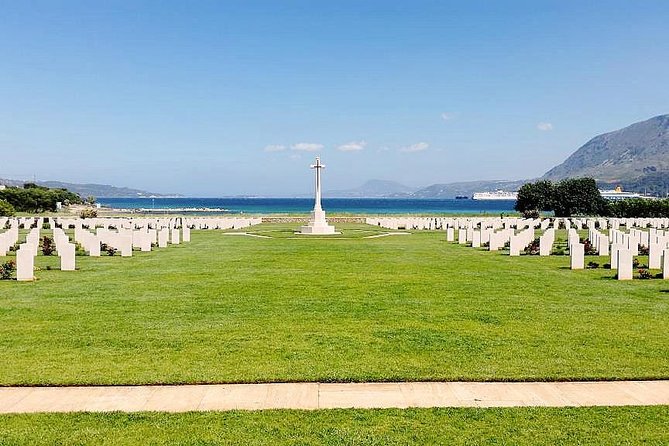
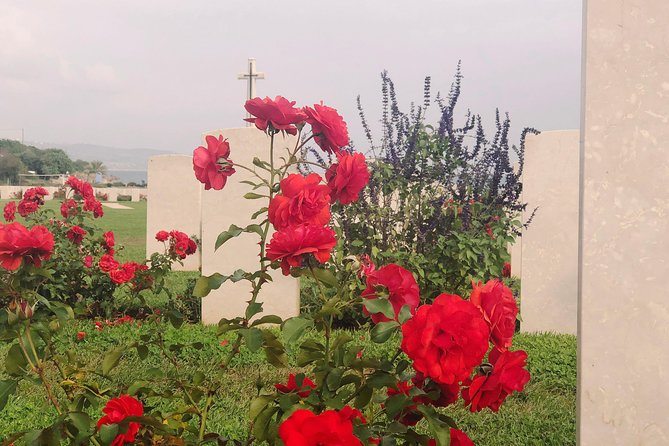
The final WWII stop on the core itinerary is Souda Bay War Cemetery, focused on the British Commonwealth side. Again, it’s about 30 minutes, and admission is included.
This is a key emotional balance point. Earlier stops can feel like invasion geography, but Souda Bay connects to evacuation and the wider Commonwealth involvement. If you want the day to feel complete, this cemetery is one of the best ways to get there without needing to chase extra locations on your own.
Souda Bay also helps you understand how Crete fits into the larger WWII picture in the Mediterranean. The tour format is built so you’re not just absorbing dates, you’re learning what those locations meant to different forces.
Galatas and the route in between: why the drive is part of the lesson
One of the strengths of a guided minivan day is that the road becomes part of the learning. Even when the named stops are only four, the tour highlights Galatas as part of the experience, and that kind of coverage matters.
When the guide talks while you’re moving, you can connect what you just saw at one site to what comes next. It’s also how you get the bigger story of invasion, local resistance, and how the conflict shaped Crete and its people.
So, even if you think, I just want to get to the sites, you’ll usually be glad you listened during the drive segments. This is where you often pick up the order of events that makes the cemeteries and bridge stops make sense.
The guide factor: voices like Yannis, Babis, Giannis, and Ioannis
The itinerary is the framework, but the guide is the engine. Across the experiences shared, guides such as Yannis, Babis, Giannis, Ioannis, and Janos come up again and again, with praise for staying clear, answering questions, and keeping the day moving on time.
You’ll notice a pattern in the praise: people liked that the explanations weren’t just names and dates. They felt human and grounded, including how the story relates to Cretans, the invading forces, and the allied side.
There’s also a practical benefit to this kind of guided storytelling. If you’re a history novice, the guide helps you get your bearings fast. If you already know a bit, the guide helps you put events in order across multiple locations.
Private collector museum moments and memorabilia time
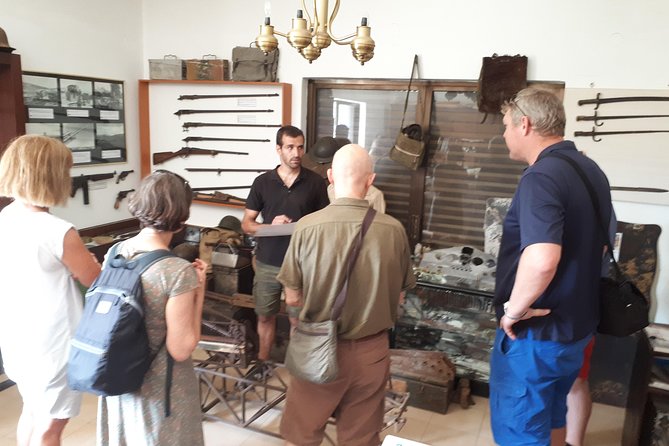
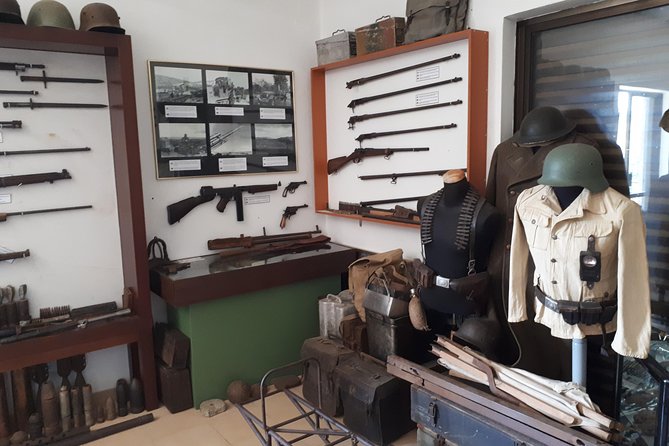
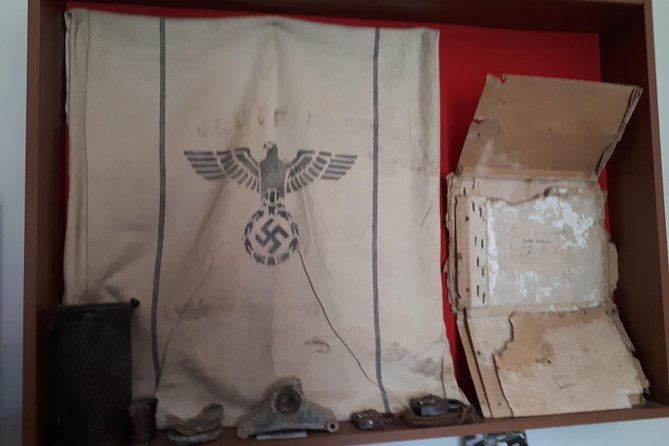
One of the standout extras that shows up strongly in guests’ memories is a visit to a private collector’s museum tied to WWII battle memorabilia. This is described as a highlight by multiple people, and it’s the kind of stop that can turn a standard site tour into something more personal.
Some guests also mention hands-on or close viewing of period items, including examples like Lee Enfield rifles with bayonets and Tommy guns. I’d treat that as a potential highlight rather than a guaranteed hands-on moment, but it’s clearly part of the tour experience for some groups.
Why this matters for you: museums like this can add texture. You’re not just looking at memorial plaques, you’re seeing what gear looked like and how it’s remembered. For many, it’s the stop that helps the past feel real in a different way.
What the included snacks and water really help with
This is a small detail, but it’s a smart one. You get snacks and bottled water per person during the day. When you’re visiting cemeteries and memorial sites, the day can feel long even if each stop is only 30 to 50 minutes.
A snack and water means you can stay present, not distracted by hunger or thirst. If you’re visiting in warmer months, this also helps you keep energy up so the guide’s explanations land instead of bouncing off your fatigue.
If you’re sensitive to heat, consider bringing a light hat or sun protection too, even though you’re in an air-conditioned vehicle most of the time.
Value at $114.89: what you get for the money
At $114.89 per person, this tour isn’t trying to be the cheapest option. The value comes from the total package: hotel pickup and drop-off in the Chania region, transport by air-conditioned minibus/minivan, English-speaking local escort, and all entrance fees.
Add snacks and bottled water, plus the small-group cap at 15, and you can see why the price works for people who want a guided WWII day without juggling logistics. If you drive yourself, you might save on guide time, but you also take on the burden of timing, admissions planning, and losing the ability to ask on-the-spot questions.
So the best way to think about it: you’re paying for coordination and context. For WWII history, that’s often the difference between seeing sites and actually understanding why you’re standing there.
Tips to get more out of the Battle of Crete day
Here are a few practical moves that match how this tour is structured.
- Wear shoes that handle uneven ground, since memorial areas and cemetery paths can be rough.
- Bring a small bottle of sunscreen and consider a light layer. Cemeteries and open areas can be sunny even if the van rides are cool.
- Prepare one question you care about, like how the different forces interacted or what the places meant. A small group makes those questions easier to get answered.
- If you want a deeper grasp of the battle phases, take notes while the guide connects one stop to the next, especially between Maleme and the cemeteries.
Who should book this tour, and who might want another option
This tour is a strong fit for you if you want a focused WWII experience without driving yourself, and if you like guided explanation at real sites. It’s also a good choice for both beginners and people who already read about the Battle of Crete, because the guide can adjust the pace.
It may not be the best match if you’re expecting to spend most of the day walking battlefield lines for every phase. One experience described difficulty following the full flow because some parts were viewed from higher ground and through maps rather than descending onto battle areas in the most granular way. If that is exactly what you want, you might need a different style of tour that offers more walking time per battlefield segment.
Should you book the WWII Battle of Crete Day Tour from Chania?
If your goal is to understand the Battle of Crete in a single, well-run half-day format, I think you’ll like this. The combination of key sites, entrance fees included, English guidance, and a small group size makes it a practical way to learn. Plus, people repeatedly point to guides like Yannis, Babis, and Ioannis for turning a tough subject into something you can follow and feel.
Book it if you want: a structured route, clear context, and a thoughtful end at both sides of the story.
Skip it or consider a different option if you want an all-day, ultra-physical battlefield hike where you’re tracing every movement on foot.
FAQ
What time does the tour start?
The tour starts at 9:00 am.
How long is the WWII Battle of Crete day tour?
It lasts about 6 hours.
How much does it cost?
The price is $114.89 per person.
What stops are included?
The itinerary includes Maleme, Tavronitis Bridge, the German Military Cemetery, and Souda Bay War Cemetery.
Is the tour in English?
Yes, it is offered in English.
Is transportation included?
Yes, you travel by air-conditioned minibus/minivan.
Does the price include entrance fees?
Yes, all entrance fees are included.
Are snacks and water provided?
Yes, snacks and bottled water are included per person.
What is the maximum group size?
The maximum group size is 15 travelers.
What are the main cancellation rules?
You can cancel for a full refund up to 24 hours before the experience’s start time. The experience may also be canceled due to poor weather or if the minimum number of travelers is not met.
Freshly listed near Crete
- Sailing trip to the Top Coasts of Crete, Daily/Multi-day★ 5.0 · 221 reviews
- PRIVATE-Knossos Palace-Zeus Cave-Olive Oil Tasting-Old Villages★ 5.0 · 81 reviews
- Knossos & lasithi plateau villages,Zeus’s cave,&olive oil Mill★ 5.0 · 90 reviews
- Semi-Private Wine Discovery Tour in Chania★ 5.0 · 73 reviews
- Wine Tasting Walking Tour in Old Town Chania★ 5.0 · 20 reviews
- Cretan Wines & Olive oil tour – The treasures of Crete★ 5.0 · 147 reviews
- West Crete Tour from Heraklion: Rethymno-Chania-Kurnas★ 4.0 · 116 reviews
- Experience Scuba Diving in Heraklion Crete★ 5.0 · 80 reviews
Crete Tours & Activities, compared.
Day Trip to Agios Nikolaos and Spinalonga Island
Read our review →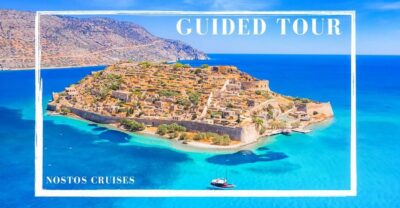
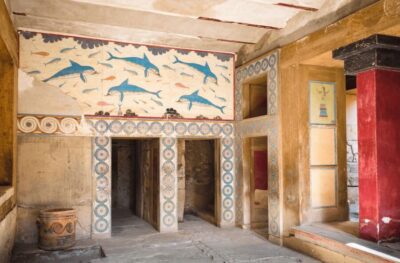
Knossos Palace Entry Ticket with Optional Audio Guide
Read our review →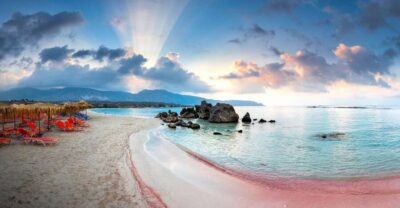
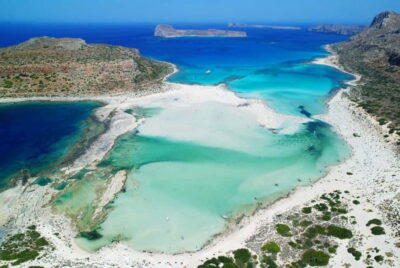
Chania/Rethymno: Balos & Gramvousa With Pickup & Boat Ticket
Read our review →