
Reviewed · SCUBA DIVING
Try Scuba in Crete – Free Certification & Photos (Beginners)
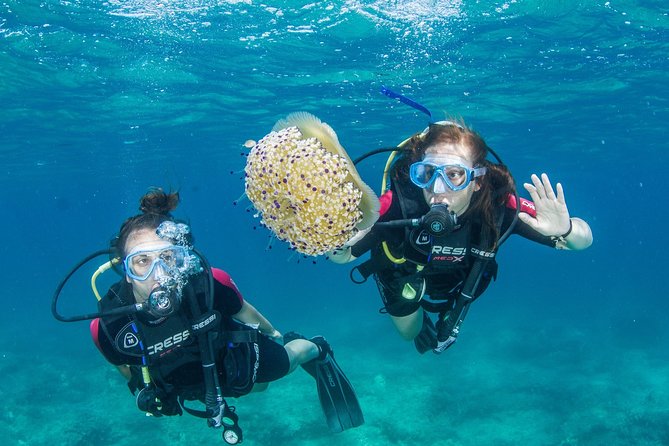
First breath underwater can change your trip. This Try Scuba experience in Crete is built for total beginners, with small-group attention from certified instructors and an official SSI Try Scuba recognition card, plus free underwater photos. The main thing to plan for is that it is not recommended if you cannot swim, and you may feel a little nervous at first when you start gear and water entry.
In about 3 hours, you’ll get a clear briefing, get fitted with scuba equipment, and go into calm, controlled water with an instructor right beside you. Guides in past groups, including Dimitri and Joana, are known for patient, step-by-step instruction, and the photos are handled by Giannis in at least one class I reviewed closely.
In This Review
- Key Points Before You Go
- Why This Beginner Try Scuba Session Works in Crete
- The Classroom Moment: Briefing, Gear Fit, and Safety Skills
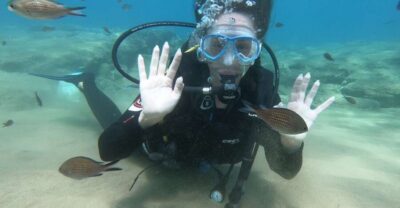
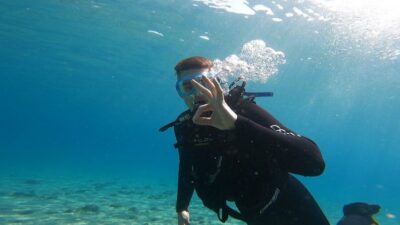
- Going Down to About 10 Meters: What You Do Underwater
- Photos and the SSI Try Scuba Recognition Card
- How the 3-Hour Day Usually Feels From Start to Finish
- Getting There: Meeting Point and Pickup Rules That Matter
- What’s Included, What Isn’t, and What to Pack
- Who Should Book This in Crete, and Who Should Think Twice
- Is It Worth the Price? $144.18 for a 3-Hour Beginner Session
- Should You Book This Try Scuba Experience?
- FAQ
- Do I need any scuba certification or previous experience?
- How deep will I go during the experience?
- Are underwater photos included?
- What is included in the price?
- Do they pick you up from your hotel?
- What should I bring with me?
Key Points Before You Go
Small-group teaching: capped at 15 people, so you are not lost in the crowd
First underwater session to around 10 meters: reach roughly 9 to 10 meters, about 32 feet
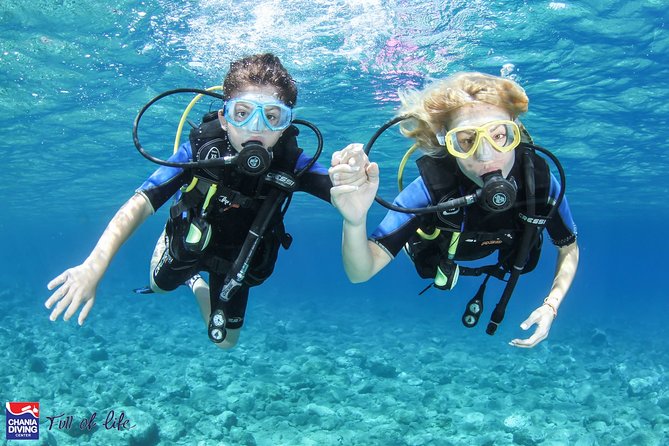
Free underwater photos: you leave with more than just a memory
SSI Try Scuba recognition card: an official acknowledgement of your start
Snacks and air-conditioned transport: included for a smoother day
Weather matters: it requires good conditions, so expect date changes if needed
Why This Beginner Try Scuba Session Works in Crete
If you’ve ever watched someone swim underwater and thought, I could never do that, this is the kind of first experience that makes it feel possible. The whole setup is designed around learning basics in a controlled way, with calm water and a maximum depth of about 9 to 10 meters. You are not expected to already know how scuba works.
I also like how personal the instruction feels. In real beginner classes, you want an instructor who can slow down, explain plainly, and keep you on track without rushing. With a small group, that attention is much easier to deliver. And the bonus that keeps popping up is that you get free underwater photos, so you can focus on learning instead of trying to document everything with a phone.
One consideration: you do need to be comfortable in water. The experience is not recommended for people who do not know how to swim. Also, even when safety is solid, some first-timers get a little panic at the start. The good news is that you should not face that alone. In past classes, instructors stayed right by participants and were quick to coach through early moments.
More dives around Crete:
- Heraklion: Scuba Diving Experience for Beginners _Beach
★ 4.7 · 549 reviews - Heraklion: Beginner Scuba Diving Lesson with PADI Instructor
★ 4.9 · 355 reviews - Heraklion: Scuba Diving Experience for First-Timers
★ 4.8 · 203 reviews
The Classroom Moment: Briefing, Gear Fit, and Safety Skills
This is not a random first splash. You start with a simple, clear briefing where you learn the basics you actually need before anything underwater. The goal is confidence. You should know what the equipment does, how to manage breathing, and what to do if something feels off.
Then comes the gear stage. You’ll be kitted out with scuba equipment, and instructors stay with you so the fit and setup make sense. The experience uses high-quality equipment and certified professionals, and that matters because your first session is all about removing friction. If your mask feels wrong or your buoyancy setup is unclear, learning gets harder fast.
Safety skills are part of your underwater time. Instead of jumping straight to sightseeing, the session includes skills exercises at the beginning once you reach about 9 to 10 meters. That structure helps you get your bearings. If you’ve heard stories about people freezing in the water, this approach is designed to prevent that by giving you a sequence: learn, practice, then explore.
In one beginner class, Dimitri was praised for doing a clear briefing, and participants felt well guided from the moment they were geared up. Another class featured Joana as the instructor, and the common theme was patience and instruction that felt supportive rather than overwhelming.
Going Down to About 10 Meters: What You Do Underwater
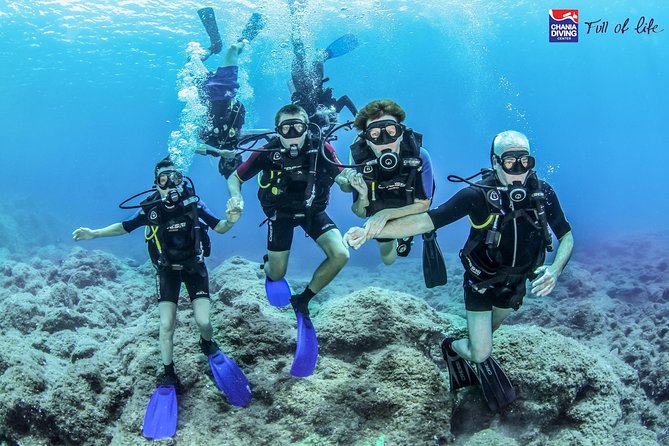
Your first underwater session is set for calm, safe conditions. The plan keeps you within a maximum depth of 9 to 10 meters. That’s about 32 feet, and it’s deep enough to feel like real scuba, not just a snorkel with gear.
What happens once you’re there tends to follow a “learn first, then look around” pattern:
- You start with basic control and skills practice in a comfortable environment.
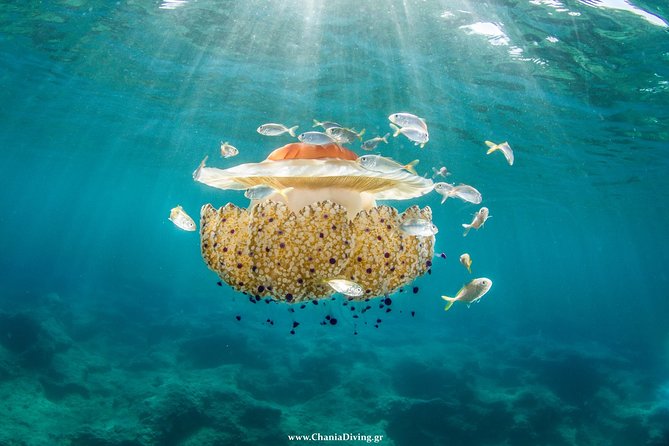
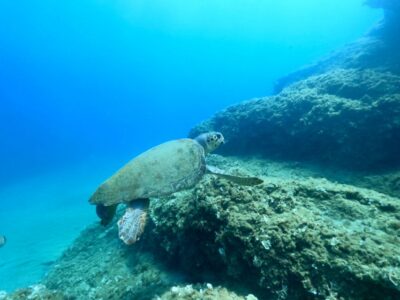
- Then you move into underwater exploration to see Crete from below the surface.
- You do this with an instructor right there beside you at all times.
In practical terms, you’ll want to treat the first minutes like a training session, not a performance. Focus on breathing control and staying relaxed. If you feel anxious, that can make everything feel harder, so instructors are there to coach you through it. In one account, the instructor was literally holding a participant’s hand for much of the time, and that hands-on support is exactly what you want for a first attempt.
A small caution: even with excellent guidance, some people get jitters at the start. That is normal human stuff when you strap on a tank, adjust to breathing underwater, and change your sense of balance. The difference here is that you get coached step-by-step, not left to figure it out alone.
Photos and the SSI Try Scuba Recognition Card
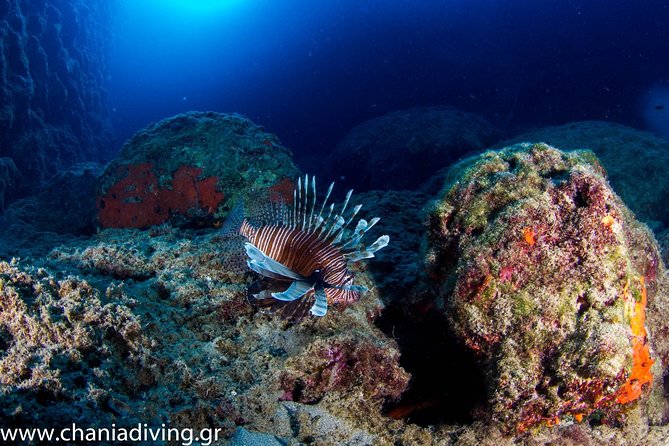
This is a big reason I’d consider booking even if you think you might only want to “try once.”
You get free underwater photos as part of the experience. For beginners, that’s valuable because your attention is already split between learning and keeping calm. Getting photos handled by someone else means you leave with images that are actually worth keeping.
You also receive an official SSI Try Scuba recognition card. Important detail: this is not the same as full scuba certification. It’s a recognition of your Try Scuba experience, and it sets you up if you decide to continue training.
One real-world note from a beginner-focused context: some Try Scuba programs run alongside certification training. You should not assume you’re shortcutting to full certification by doing just this. The correct expectation is: you get the Try Scuba recognition and the experience of learning, and full certification is a separate process with its own requirements.
Other ways to spend the day near Crete
- Chania: Scuba Diving for Beginners
★ 4.7 · 196 reviews - Chania: Scuba Diving for Beginners
★ 5.0 · 103 reviews - Experience Scuba Diving in Heraklion Crete
★ 5.0 · 80 reviews - Crete-Chania: Snorkeling & Scuba Dive for Beginners by Boat
★ 5.0 · 77 reviews
How the 3-Hour Day Usually Feels From Start to Finish
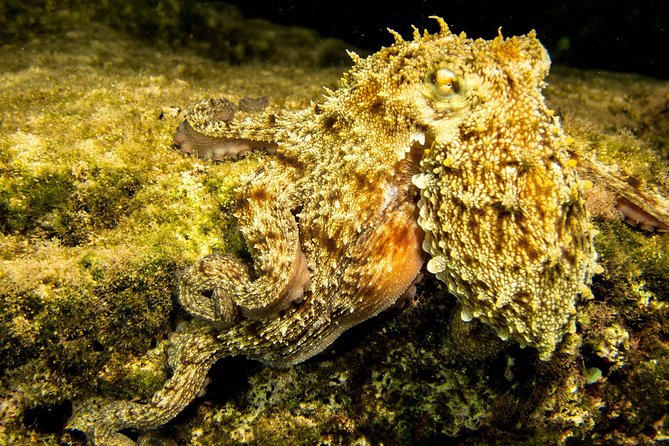
The total time is about 3 hours. That’s a sweet spot for first-timers: long enough to learn the basics and feel the thrill, but not so long that fatigue or frustration builds.
A typical flow goes like this:
- You meet at the start location in Kounoupidiana or you get hotel pickup if you’re in the pickup zone.
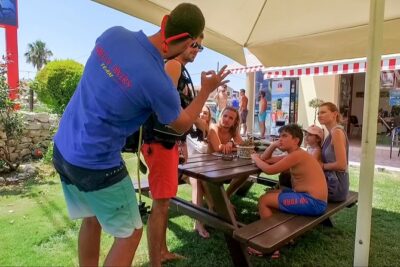
- You arrive, handle paperwork, and get a briefing.
- You get fitted with equipment.
- You travel to the water and then start your underwater session at the planned depth.
- You finish back at the meeting point and head onward with your day.
Snacks are included, which I really appreciate. A small snack can make a big difference when you’re focused and waiting your turn. It helps you feel normal before you gear up and keeps energy steady after you surface.
Some classes may include extra water time beyond the main underwater session. In one beginner experience account, the schedule included an additional snorkeling segment after the underwater portion. I can’t promise that is guaranteed for every run, but it’s a good sign that the day can feel like more than a quick attempt.
Getting There: Meeting Point and Pickup Rules That Matter
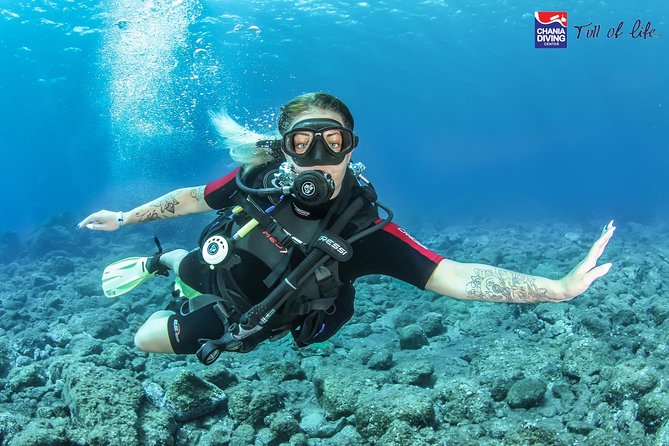
This matters more than people think. A first scuba day is already busy. You don’t want to add stress about getting to the beach.
Your activity starts at Agiou Onoufriou 10b, Kounoupidiana 731 00, Greece. The end point is back at the meeting point.
Pickup is offered. After you book, you tell them your exact accommodation location, and they pick you up directly from your hotel, villa, or house. That is a clear convenience perk, especially if you are staying in the Chania area and you’d rather not figure out parking and timing.
However, transfers are not offered from Rethymno, Georgioupolis, Heraklion, or Agios Nikolaos. If you’re staying in one of those areas, you’ll likely need to plan around getting to the meeting point yourself. Also, the start location is near public transportation, which helps if you’re flexible.
The tour uses a mobile ticket, and it runs in English. If you’re traveling with a non-English-speaking group, you’ll still likely be able to follow along, but English is the stated language for the experience.
What’s Included, What Isn’t, and What to Pack
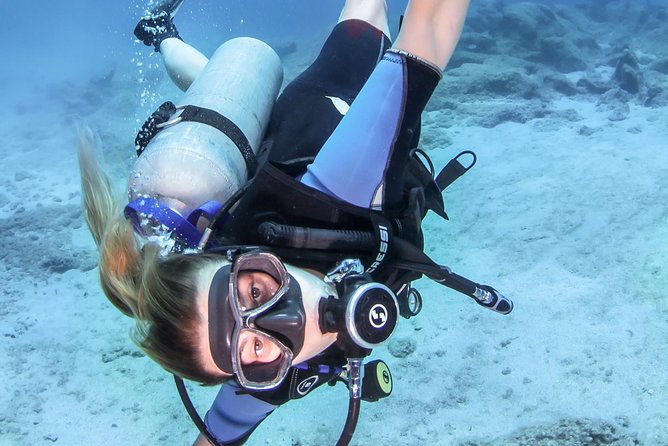
The included list is genuinely beginner-friendly because it removes the “what do I need?” guessing game.
Included:
- Air-conditioned vehicle
- Snacks
- Use of scuba equipment
- All fees and taxes
- Diving insurance
Not included:
- Swim suit
- Towels
- Transfer services from certain towns (handled as pickup exceptions)
- Alcoholic beverages
So, pack like you would for a water day plus a changing setup:
- Bring your swim suit.
- Bring a towel, since it is not included.
- Wear something easy to rinse off afterward, because you will come back from the water.
Also remember this is guided and safety-focused. You do not need to bring your own scuba gear. The whole point is that you get fitted and taught with the right equipment in place.
Who Should Book This in Crete, and Who Should Think Twice
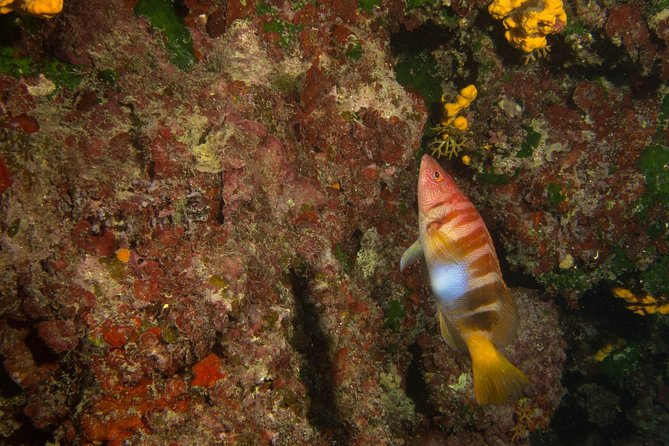
This is designed for people who want to try scuba with no prior experience. It’s a complete beginner class, and you do not need previous dive experience or a certification to join. That’s the main draw.
You should strongly consider booking if:
- you can swim (or are very comfortable in water)
- you want a structured first attempt with an instructor near you
- you want free underwater photos and an official SSI Try Scuba recognition card
- you prefer small-group attention, not a crowded scene
You should think twice if:
- you do not know how to swim (it’s not recommended)
- you have health concerns, because in some cases doctors confirmation is needed
- you tend to get anxious around equipment or sudden changes in your environment
One useful takeaway from beginner experiences is that instructors can be reassuring and patient, but you still need to be mentally ready for that first gear and water entry moment. If you know you get panicky in new water situations, you’ll want to talk with the team in advance so they can set you up in the best way.
Is It Worth the Price? $144.18 for a 3-Hour Beginner Session
At $144.18 per person for about 3 hours, the price can look high if you only think about the “try” part. But if you zoom out, it starts to make sense.
You’re paying for several things that are expensive in real-world terms:
- instructor time for a small group
- scuba equipment use and fitting
- insurance coverage
- transport by air-conditioned vehicle
- snacks
- free underwater photos
- the official SSI Try Scuba recognition card
For many first-timers, the photos and instruction quality are what turn this from a random activity into a memory you can keep. And if you decide later to pursue full certification, this Try Scuba experience gives you a baseline for what it feels like and whether you want to invest further.
Just keep expectations straight. This is not presented as full certification. It’s a structured beginning. If your goal is full scuba certification, treat this as step one, not a shortcut.
Should You Book This Try Scuba Experience?
If you want a safe, structured start to scuba in Crete, this is a strong option. The combination of small-group instruction, a controlled first session around 9 to 10 meters, and free underwater photos makes it feel like more than a gimmick. The fact that snacks and equipment are handled for you also keeps the day smoother.
Book it if you are comfortable in water and you want a guided first step with an official SSI recognition card. Skip it if you cannot swim, if you have a health situation that might require medical confirmation and you haven’t cleared that first, or if you know you react badly to new equipment and water entry even with coaching.
If you’re on the fence, my practical advice is simple: ask yourself what you want from your first scuba experience. If you want confidence, photos, and a real taste of underwater life, this is the kind of class that makes those goals realistic.
FAQ
Do I need any scuba certification or previous experience?
No. This is a complete beginner Try Scuba class, and you do not need previous dive experience to participate.
How deep will I go during the experience?
The maximum depth is about 9 to 10 meters, which is around 32 feet. Your first underwater session is planned within that range.
Are underwater photos included?
Yes. Free underwater photos are included as part of the experience.
What is included in the price?
The price includes air-conditioned vehicle transport, snacks, use of scuba equipment, all fees and taxes, and diving insurance.
Do they pick you up from your hotel?
Pickup is offered from your hotel, villa, or house after booking if your location is eligible. Transfer services are not offered from Rethymno, Georgioupolis, Heraklion, or Agios Nikolaos.
What should I bring with me?
Bring your swim suit. Towels are not included, so plan to bring one.
More Photography Sessions in Crete
- Photographer Crete Professional Photography Click on Demand
★ 5.0 · 29 reviews - Oia: Couple photoshoot with 30 edited Photos
★ 4.9 · 388 reviews - Santorini 2h Private Flying Dress Photoshoot with Transportation
★ 5.0 · 357 reviews - Rhodes: E-bike Highlights Sunset or Morning Photo Tour
★ 4.9 · 351 reviews
Freshly listed near Crete
- Sailing trip to the Top Coasts of Crete, Daily/Multi-day★ 5.0 · 221 reviews
- PRIVATE-Knossos Palace-Zeus Cave-Olive Oil Tasting-Old Villages★ 5.0 · 81 reviews
- Knossos & lasithi plateau villages,Zeus’s cave,&olive oil Mill★ 5.0 · 90 reviews
- Semi-Private Wine Discovery Tour in Chania★ 5.0 · 73 reviews
- Wine Tasting Walking Tour in Old Town Chania★ 5.0 · 20 reviews
- Cretan Wines & Olive oil tour – The treasures of Crete★ 5.0 · 147 reviews
- West Crete Tour from Heraklion: Rethymno-Chania-Kurnas★ 4.0 · 116 reviews
- Experience Scuba Diving in Heraklion Crete★ 5.0 · 80 reviews
Scuba Diving, compared.
Scuba Diving Experience in Caldera for Beginners
Read our review →
Beginner Scuba Diving Lesson with PADI Instructor
Read our review →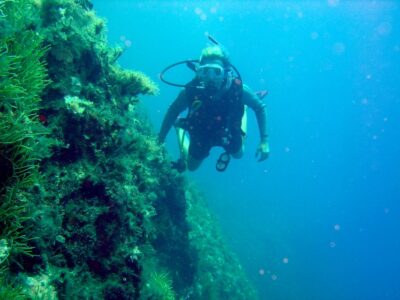
Athens East Coast: Discover Scuba Diving in Nea Makri
Read our review →Browse the lists this tour appears in