
Reviewed · COOKING CLASSES
The Real Cretan Cooking Experience
Cooking dinner in the White Mountains sounds wild.
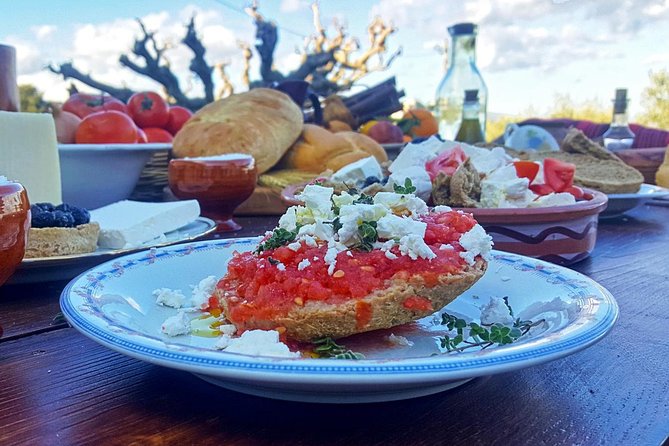
The Real Cretan Cooking Experience is built around a family home meal with sea-and-mountain views, plus a real look at how Mediterranean food works in day-to-day Crete. I like the hands-on, practical lessons, and I love how the White Mountains setting makes the whole evening feel special instead of staged.
One heads-up: it runs long, and for some people the cooking is more shared than nonstop. Expect a late dinner pace, and don’t plan this as a quick snack stop.
In This Review
- Key highlights worth caring about
- From Chania to the mountains: timing that matters
- The Melidoni stop: a short break before the higher climb
- The family farm setting: why sea views change the whole class
- What you cook: a menu built for real flavor (and real technique)
- The cooking pace: hands-on, but not always 100 percent DIY
- Wine and the meal: when it finally turns into dinner
- Your guide makes the difference: names you might hear
- Transfers and small-group logistics: the comfort you’re buying
- Price and value: $133.02 is not just for food
- Tips so you enjoy the whole evening
- Who should book this Cretan cooking experience
- Should you book it
- FAQ
- What time does the tour start from Chania?
- Is hotel pickup offered?
- How long should I plan for?
- What dishes are included in the meal?
- Will I get recipes and photos after the tour?
- What happens if the weather is poor?
Key highlights worth caring about
- A family-home dinner with sea and mountain views gives you the Crete feeling, not just a cooking moment
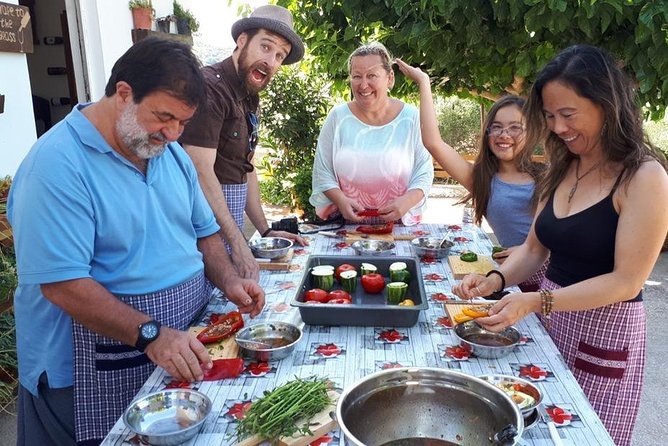
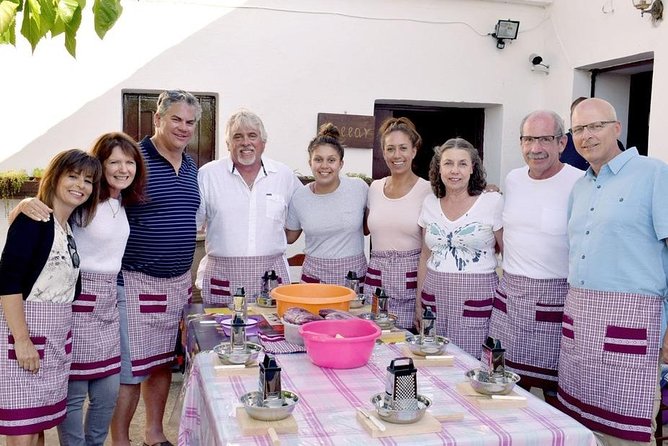
- Small-group class (max 20) keeps the atmosphere friendly and the instruction easier to follow
- A classic Cretan menu you can actually repeat at home with kalitsounia, tzatziki, ntakos, gemista, and Greek salad
- Wine and food tasting adds an island angle, not just recipes on paper
- Digital photos and emailed recipes mean you can cook again without guessing later
- English-speaking guide and transfers from Chania help you relax and focus on the food
From Chania to the mountains: timing that matters
This is a 6-hour, late-afternoon to evening style outing that starts at 3:30 pm in Chania and returns to the same meeting point. You’re picked up by air-conditioned minivan or minibus, so you get the comfort of a ride plus the local guidance. The tour is limited to 20 people max, which is a big deal for a cooking class. Smaller groups tend to mean more time for questions and less waiting around.
If you’re thinking in normal dinner terms, shift your expectations. You don’t eat right away. The schedule is built around prepping ingredients, cooking steps, and then settling in for the final meal. One traveler note from the experience says dinner was closer to 9 pm, so I’d plan for that kind of timeline. Come hungry, but also bring the mental model that the good stuff comes later.
Also, this tour is described as “requires good weather,” so on cool, clear days you’ll enjoy the outdoors more, and in rain it may shift indoors. Either way, you should dress for comfort and walking. Think good shoes, layers, and something that can handle the switch between sun and shade.
More cooking classes around Crete:
- Chania: Authentic Cooking Class in the White Mountains
★ 4.9 · 529 reviews - Chania Cooking Class-The Authentic Enjoy traditional Cretan meal
★ 5.0 · 339 reviews - Cretan Cooking Class and Olive Oil Tasting
★ 5.0 · 178 reviews
The Melidoni stop: a short break before the higher climb
Your route includes a stop at Melidoni before you continue onward. What that stop means in practice is simple: it’s a leg-stretcher point in the journey. Even if you’re not jumping out for long activities, it breaks up the ride and helps you get ready for the mountain portion of the evening.
If you’re prone to getting carsick, it’s still a good idea to sit where you feel safest in the vehicle. The ride is part of the experience, and most of the time you’re just watching the terrain change as you head toward the White Mountains area.
The family farm setting: why sea views change the whole class
The cooking happens in a family home setting in the White Mountains, with sea and mountain views. That matters because it changes the mood. You’re not stuck in a classroom kitchen. You’re in a working home where food and family routines overlap.
The best part is that the day feels local and lived-in. From what’s consistently described, you’re welcomed warmly, and you get more than just a recipe rundown. You’ll hear stories connected to the family and Crete, including island history topics like the Cretan war. It’s not presented as a lecture for its own sake. It helps you understand why certain ingredients and habits matter on this island.
There are also extra moments on the property. Depending on the flow of the evening, you may tour the area, see parts of the family setup, and sometimes meet animals. One account mentions feeding goats, and another mentions experiences like feeding sheep, plus a walk around the property and a small museum-style component. Even if those bits are brief, they add texture and help the cooking class feel like a doorway into everyday life.
What you cook: a menu built for real flavor (and real technique)
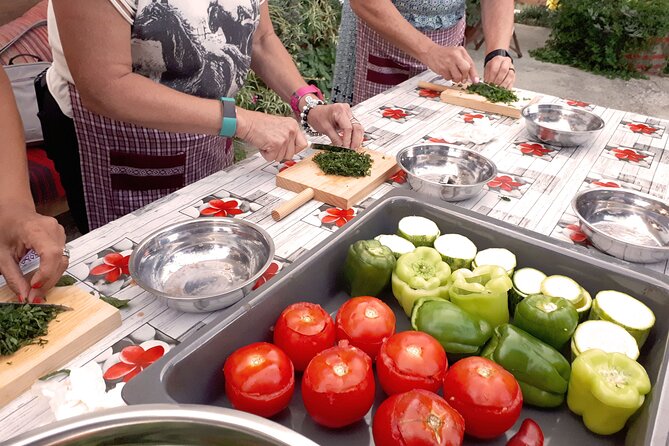
You’ll cook and eat a classic spread that covers the Mediterranean essentials: dairy, herbs, olive oil, vegetables, and bread or pastry. The tour includes an apron and cooking utensils, and all ingredients for your lunch are handled for you, so you can focus on learning rather than sourcing.
Here’s the menu you should know before you go:
Kalitsounia (Cretan cheese-pies)
These are cheese-filled pastries that show up often in Cretan cooking. If you’ve never handled dough before, this is a good entry point. Expect steps like rolling or working dough and assembling something that bakes into a satisfying, savory bite.
Tzatziki
A yogurt-and-cucumber style starter. This one teaches balance: cool dairy, fresh crunch, and herb flavor. It’s also forgiving. Even if your cut isn’t perfect, the taste still works because the flavors are doing the heavy lifting.
Ntakos
Often described as a Cretan-style starter, it’s typically built on a bread base and topped with Mediterranean ingredients. In a class setting, you usually get hands-on participation rather than just watching, and it helps you understand how the island builds texture with simple items.
Gemista (stuffed vegetables)
This is the dish that tends to make people proud. You’ll likely stuff vegetables and work with aromatic fillings. One description includes tasks like stuffing veggies, grating produce, and rolling dough for pastry items, which suggests you’re not just there to taste. You get to do the prep steps that make the final dinner feel earned.
Greek salad
A straightforward closer that anchors the meal in olive oil and fresh vegetables. It’s also a reset for your palate after richer flavors.
The big practical win: you learn enough fundamentals to recreate the dishes later, even if you don’t copy the exact same measurements. That’s what you want from a cooking class, not a one-night performance.
Other ways to spend the day near Crete
- Moires: Cooking Class and Olive Oil Tasting at a Family Farm
★ 5.0 · 93 reviews - Crete: Sightseeing Day Trip with Cooking Lesson and Lunch
★ 4.8 · 77 reviews - Heraklion: Cretan Cooking Lesson with Lunch in Arolithos
★ 4.9 · 54 reviews - Athens: Classic Cooking Class with Market Visit and Wine
★ 5.0 · 1,101 reviews
The cooking pace: hands-on, but not always 100 percent DIY
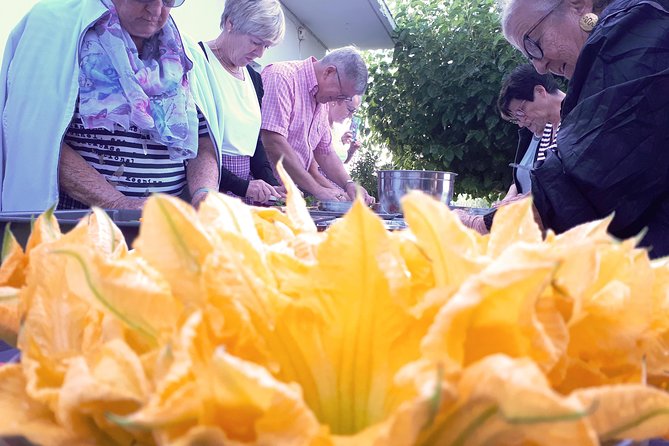
Here’s the balanced truth about the class portion: it’s hands-on, but not every step is fully do-it-yourself for every person. Multiple people mention that some tasks may be done by the instructor or hostess, while you handle key parts like stuffing vegetables, grating ingredients, rolling dough, and shaping items.
This is not a scam. It’s how many farm-based cooking classes work. Small kitchens and experienced cooks move efficiently, especially when food needs timing for dinner. If you love cooking and want to do every step yourself, you might feel slightly limited. If you’re more interested in learning technique plus tasting the final meal in a real home setting, you’ll likely love it.
So go in with a clear expectation: you will participate, and the goal is teaching practical steps, not running a competition where everyone must do the same motion perfectly.
Wine and the meal: when it finally turns into dinner
Wine and food tasting is included, and the meal is part of the evening. One note mentions wine tasting with additional wine served during dinner. Another mentions wine being offered during specific windows rather than all evening, so if you want wine throughout, don’t assume it’s open-ended. You may also get an interactive element during the tasting, like a small guessing-style activity connected to the wines.
As for the dinner timing, many people report the schedule keeps you busy first with cooking and property experiences, then culminates in the feast. Plan on being at the farm for a while before you sit down to eat.
The meal itself is where the experience clicks. You’re eating what you helped make, and the setting makes it feel like a celebration rather than a restaurant meal. If you’re traveling solo, this format can be a social win too, since you’re working together at tables and passing ingredients and dishes.
Your guide makes the difference: names you might hear
The tour includes an English-speaking local driver or guide, and multiple guide names come up in experience accounts. You might travel with someone like Alex (noted for engaging explanations during the drive), Kostas (mentioned as more than a guide with history context), Yannis (praised for connecting with group members and explaining Crete), or Andreas (noted as entertaining and highly informative as a translator). Some group members also reference guides like Nikos and Nico, depending on the departure.
I look for two things in a guide on this kind of tour: clear explanations and a relaxed tone. These accounts consistently suggest the guides handle both. They connect food choices to the island, and they explain the “why” behind what you’re making.
If you’re booking because you want more than recipes, pay attention to your guide style. The best parts often come from the stories and small lessons, like why olive oil matters, how herbs shape flavor, and how family food traditions hold steady even as tourism changes the island.
Transfers and small-group logistics: the comfort you’re buying
You’re not navigating rural roads on your own. The tour offers round-trip hotel transfers from Chania and along the coast to Maleme, and the ride is in an air-conditioned vehicle. That’s more than convenience. It’s time and energy saved, which matters when you’re heading into mountainous terrain and you’ll be standing and moving at the property.
The max group size helps again here. A larger group can turn a cooking class into a conveyor belt. A smaller group tends to keep the pacing human. You can ask questions without waiting an hour for your turn.
Also, you’ll receive a mobile ticket, and you should get confirmation at booking time. Wear comfortable clothing, and bring shoes that grip. Some property walking may be on uneven ground.
Price and value: $133.02 is not just for food
At $133.02 per person, this isn’t a cheap “cookbook” class. But the value math is strong when you add up what’s included:
- Round-trip transport from Chania area
- A small-group cooking class
- Use of apron and cooking tools
- Wine and food tasting
- Ingredients for your lunch and the full meal
- Recipes and digital photos sent by email
- Commemorative gifts
If you’re already planning to eat a dinner in Chania plus pay for a driver or taxi, this starts looking closer to a package deal. You’re paying for instruction, the meal, the setting, and the experience of being hosted in a family environment.
Is it perfect value for everyone? Not necessarily. If you’re expecting a nonstop hands-on cooking marathon, it could feel like you didn’t do enough cooking. If you’re expecting free-flowing wine all evening, you may be slightly disappointed. But if you want a genuine farm-home evening where you learn what makes Cretan food tick, the price feels reasonable.
One more factor: this tour is described as very popular, with people booking on average about 39 days in advance, and it carries a very high satisfaction rating (4.9, based on 528 people). High demand usually means the product lands well. It also means you should book early if your dates are set.
Tips so you enjoy the whole evening
A few practical things will make this smoother:
- Come hungry, then pace yourself. The best meal is late in the sequence.
- Wear comfortable layers. Mountain weather can change quickly, even on a good day.
- Good shoes matter because you may walk around the property and outdoor areas.
- If you love cooking, ask what you should focus on while you’re prepping. The class is hands-on, but you can still direct your attention.
- If you’re wine-focused, taste first, then enjoy the meal. Don’t assume an all-evening pour.
- If you have dietary needs, you should still double-check with the operator when booking, since the menu items listed are standard Cretan classics.
Small prep like that turns “long evening” into “fun evening that delivers.”
Who should book this Cretan cooking experience
This tour fits best if you want:
- A Chania-based half-day that turns into a memorable evening
- A cooking class with real local hosting in the mountains
- A menu that’s very Cretan and easy to recreate later
- The added bonus of history and culture woven into the food
It’s also a solid pick for first-time visitors to Crete who want context fast. If you’re already a serious cook and want full control over every recipe step, you might want a class that’s more kitchen-lab style. But you’ll still likely leave with techniques you can use, plus photos and emailed recipes to keep you on track.
Should you book it
Yes, I’d book The Real Cretan Cooking Experience if you want a family-hosted evening with Cretan staples, a guided explanation of ingredients and culture, and a setting that feels like Crete, not a demo. The combination of transfers, small group size, cooking participation, and take-home digital recipes is the main reason it earns its strong satisfaction.
I’d think twice if you want a short, early dinner, or if you expect to do every step solo from start to finish. Also plan for a slower pace and a later meal.
If your travel style leans toward good food, real places, and learning through doing, this one makes sense.
FAQ
What time does the tour start from Chania?
It starts at 3:30 pm and ends back at the meeting point.
Is hotel pickup offered?
Yes. Round-trip hotel transfers are offered from Chania and along the coast to Maleme.
How long should I plan for?
The experience runs about 6 hours (approx.).
What dishes are included in the meal?
You’ll prepare and enjoy a menu that includes kalitsounia, tzatziki, ntakos, gemista (stuffed vegetables), and Greek salad.
Will I get recipes and photos after the tour?
Yes. Recipes and photos taken on tour are sent electronically via email.
What happens if the weather is poor?
This experience requires good weather. If it’s canceled due to poor weather, you’ll be offered a different date or a full refund.
Freshly listed near Crete
- Rethymno: Old Town Segway Tour★ 4.9 · 39 reviews
- From Rethymno: Lake Kournas and Villages Full-Day Tour★ 4.4 · 45 reviews
- Rethymno: Full-Day Land Rover Safari to Preveli★ 4.9 · 279 reviews
- Private Jeep Tour: Kourtaliotiko Gorge, Preveli & Spili Village★ 5.0 · 18 reviews
- Knossos Palace Guided Walking Tour (Without Tickets)★ 4.6 · 32 reviews
- Moires: Cooking Class and Olive Oil Tasting at a Family Farm★ 5.0 · 93 reviews
- Crete: Lasithi Plateau Zeus Cave Guided Jeep Safari Tour★ 4.8 · 113 reviews
- Lychnostatis Open Air Museum: Entry Ticket with Add-Ons★ 4.8 · 49 reviews
Cooking Classes, compared.
Classic Cooking Class with Market Visit and Wine
Read our review →
Food Market Visit and Cooking Class with Wine
Read our review →
Greek Cuisine Cooking Class in Santorini with Recipes and Wine
Read our review →
Half-Day Cooking Class at Basiliko Family Tavern
Read our review →
Greek Cooking Class in Athens Including Rooftop Dinner with Acropolis View
Read our review →
Greek Small-Group Athens Cooking Class & Dinner
Read our review →
Exclusive Cooking Experience in our Cave Home by Petra Kouzina
Read our review →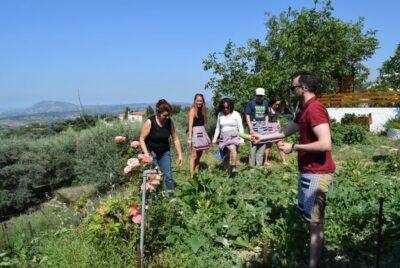
Authentic Cooking Class in the White Mountains
Read our review →Browse the lists this tour appears in