
Reviewed · AUDIO TOURS
Santorini: Tomato Museum Admission Ticket with Audio Guide
Tomatoes, but industrial. In Vlychada, the D. Nomikos Tomato Industrial Museum turns the Santorini cherry tomato into a full factory story, guided by a 5-language audio device.
I really like the focus on 1890s production methods and the chance to end with a tomato tasting that makes all that industrial history taste real.
One drawback to keep in mind is logistics, since the ticket does not include hotel transfer, and you get there by taxi or a public bus from Fira every 2 hours.
In This Review
- Key points I think you will care about
- Tomato Industrial Museum in Vlychada, what you are actually buying
- Getting there from Fira, taxi or bus every 2 hours
- The audio guide set-up, your pacing is the point
- Walking the factory story, from cultivation to processing
- Area 1: Cultivation and the island’s tomato culture
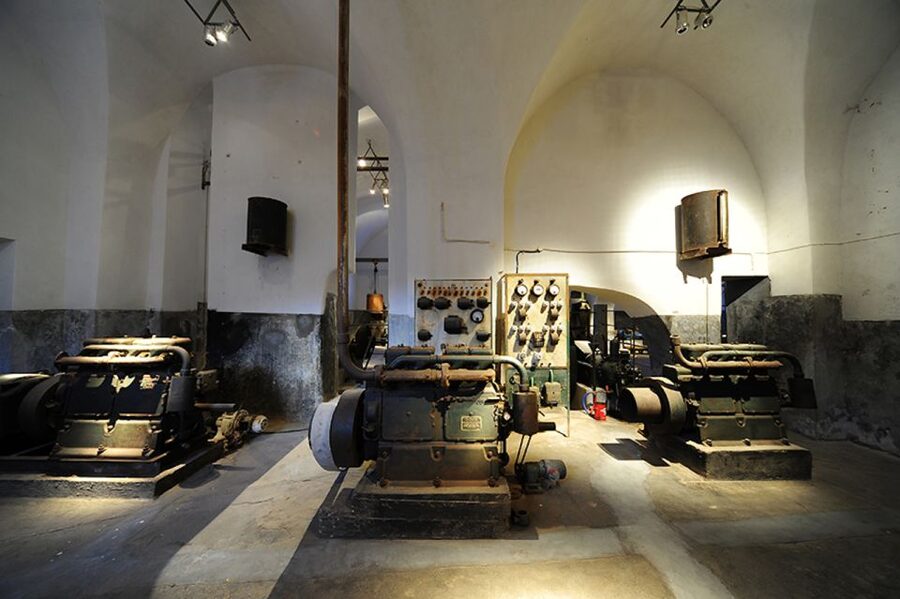
- Area 2: Processing, machinery, and how production worked
- Area 3: Production, product-making, and the island’s industrial past
- Tomato tasting, and why it makes the museum stick
- Museum shop, take-home products made from Santorini tomato
- Price value at about $14, what you get for the money
- Who this fits best (and who should skip it)
- Quick planning checklist before you go
- Should you book the Santorini Tomato Museum ticket?
- FAQ
- Where is the Tomato Industrial Museum meeting point?
- How long is the visit?
- How much is the admission ticket?
- What languages are available for the audio guide?
- Do I need to bring anything?
- How do I get there from Fira?
- Is the museum wheelchair accessible?
Key points I think you will care about
- 3 big areas inside the complex, so you can pace your visit instead of rushing
- 5-language audio guide in English, French, German, Italian, and Greek
- Hands-on feeling thanks to factory equipment displays and audiovisual material from former workers
- Cherry-sized tomato tasting, built into the experience, not just a theory lesson
- Museum shop access so you can take the Santorini tomato home with you
Tomato Industrial Museum in Vlychada, what you are actually buying

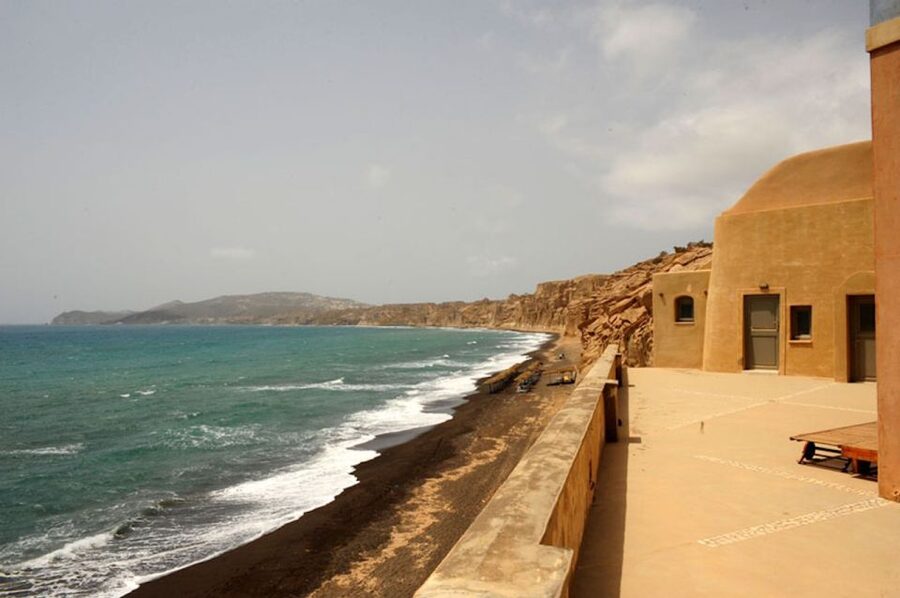
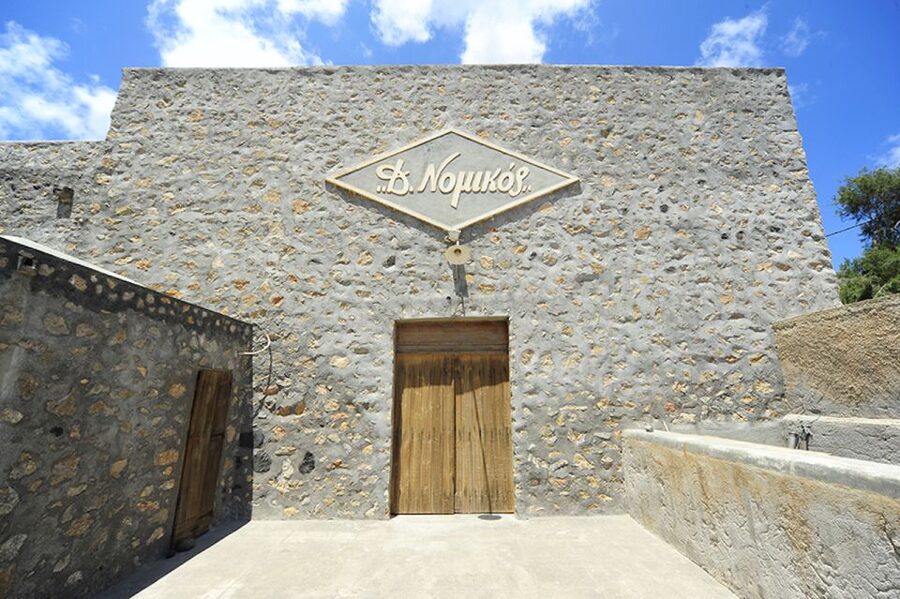
This is not a cute “look at tomatoes” museum. It is the Industrial Tomato Museum, D. Nomikos, in Vlychada, focused on how Santorini’s cherry tomato was grown, processed, and produced starting at the end of the 19th century.
Your ticket includes admission to the site plus a portable audio guide you explore on your own schedule. You also get access to the product boutique, which matters because the museum does not just talk. It helps you buy the food products that come from the tomato itself.
If you love travel that is specific, this is a great match. It ties a famous island ingredient to the island’s industrial past, when production was a serious operation, not a lifestyle brand.
Other ways to spend the day near Greece
- Athens: Acropolis, Parthenon & Acropolis Museum Guided Tour
★ 4.8 · 9,316 reviews - The Acropolis, Parthenon & Acropolis Museum Guided Tour
★ 4.7 · 8,493 reviews - Athens: Mythology of Delphi, Museum and Arachova Guided Tour
★ 4.7 · 5,102 reviews
Getting there from Fira, taxi or bus every 2 hours
The museum meeting point is Tomato Industrial Museum, D. Nomikos. From Fira, you can reach it by taxi or by public bus.
There is a public bus connection with Fira every 2 hours, so you can plan around it, but you cannot count on frequent departures like you might in bigger cities. If you are traveling with a tighter schedule, a taxi is the simple choice, even if it costs more.
Practical tip: build in extra time for the ride, then let the museum control your pacing once you arrive. The ticket is valid for 1 day, but that does not mean you want to sprint through the exhibits.
The audio guide set-up, your pacing is the point
You will get an audio guide device in five languages: English, French, German, Italian, and Greek. There is also an English and Greek host or greeter on hand, which is helpful if you need help starting the device or finding your way through the complex.
What I like about the audio-guide format is control. You can slow down for the machinery displays, speed up through the sections that feel less relevant, and pause when something clicks. You are not stuck in a group rhythm.
Bring headphones. The museum notes that you should have them, and you will feel the difference immediately, especially if you visit during busier hours.
Walking the factory story, from cultivation to processing
The complex is set up in three big areas, and the audio guide helps you connect the dots between how tomatoes were grown and how they became an industrial product. The visit is designed to take you through the cultivation, processing, and production story of the Santorini cherry tomato.
A short hop away, these too:
- Athens: Acropolis & up to 5 Archaeological Sites Combo Pass
★ 4.2 · 13,904 reviews - Athens: Acropolis Ticket with Optional Audio or Live Guide
★ 4.2 · 11,055 reviews - Santorini: Volcanic Islands Cruise with Hot Springs Visit
★ 4.4 · 10,869 reviews - Athens: Cape Sounion & Poseidon Temple Sunset Half-Day Trip
★ 4.8 · 8,241 reviews
Area 1: Cultivation and the island’s tomato culture
This part frames the tomato as a local product with a long timeline. You learn about traditional methods used by island producers, including the era that begins in the late 1800s. Even if you already know the cherry tomato is famous, the museum shows what makes it a specific product, not just any red fruit.
This is a good starting point because it gives meaning to everything you see later. It is easier to understand machinery and workflows once you know what raw material the factory depended on.
Area 2: Processing, machinery, and how production worked
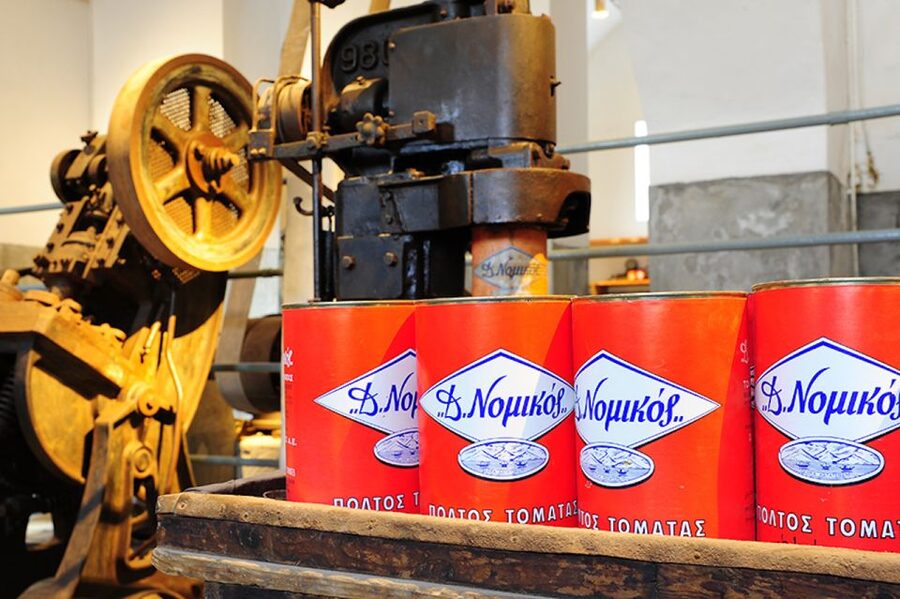
This is where the museum feels most industrial. Expect exhibits that show processing machinery, plus audiovisual material connected to former factory workers and their firsthand experiences.
This section is valuable if you like “how things were actually made.” It is also a smart break from pure reading, because machines and equipment keep your attention while the audio supplies context.
One consideration: if you hate mechanical displays or you are short on time, spend longer in the area that matches your interest. The self-paced layout helps, since you are not forced to watch everything in the same order.
Area 3: Production, product-making, and the island’s industrial past
The final area keeps tightening the story, moving from what happened in the earlier stages to how the tomato became the finished product of the factory era. You learn traditional methods followed by tomato producers over time, and you see how the museum connects history with today’s Santorini tomato identity.
This is a strong closer because it pulls the visit into something practical. You end with a better understanding of what you are eating when you choose Santorini tomato products later that day.
Tomato tasting, and why it makes the museum stick
The experience includes tasting the cherry-sized sweet tomato. That is not a throwaway perk. It is the moment that turns the audio guide from information into something you can actually remember.
Santorini cherry tomatoes are known for a distinctive flavor, and tasting helps you pick up the traits the museum is hinting at: sweetness and that small, concentrated tomato character. You will likely notice the difference more than you expect, especially if you are used to larger, watery tomatoes.
A nice practical angle: after tasting, you can shop with confidence. Instead of guessing which product sounds interesting, you can decide what aligns with the taste you just experienced.
Museum shop, take-home products made from Santorini tomato
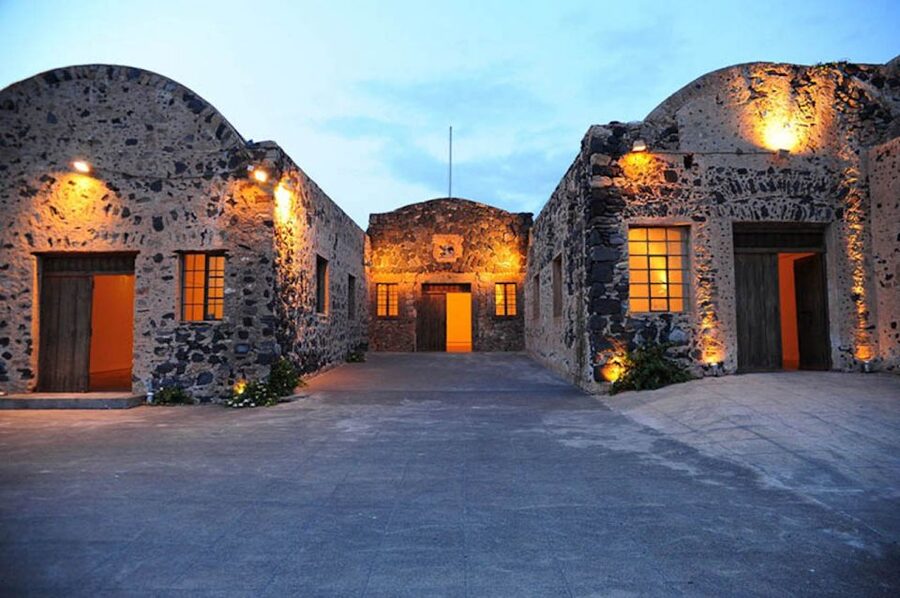
After exploring the exhibits, you can access the museum boutique and buy different products made using the Santorini tomato. This is one of those “small” benefits that makes a real difference.
Why? Because you are on the island where the tomato identity matters. If you want edible souvenirs, the shop is the simplest way to do it responsibly, without dragging half your trip’s grocery list around.
If you are trying to keep a light suitcase, stick to items that travel well and that match what you tasted. The museum shop is there to convert interest into purchases that feel connected to the experience.
Price value at about $14, what you get for the money
At around $14 per person, this ticket is priced like a short, focused museum visit rather than a full-day tour with transport and a live guide. That is important for value.
Here is the trade-off: you do not get a live guide, and hotel transfer is not included. But you do get a self-paced audio guide device, admission to the full industrial complex, and access to the boutique. Add in the included tasting, and the museum becomes more than a passive walk.
For the money, you are paying for control (your pace), context (audio history of a specific local product), and a sensory payoff (the tomato tasting). For most visitors who enjoy food culture and practical history, it is a fair deal.
Who this fits best (and who should skip it)
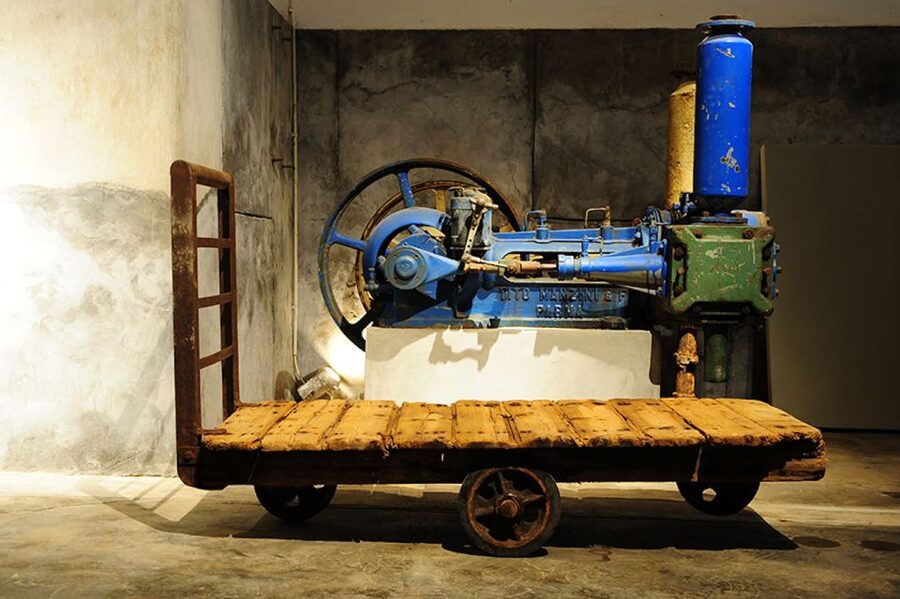
This is a great pick if you like food history, local production stories, or museums that explain how something familiar is actually made. The audio guide format also helps, since you can move at a comfortable speed.
It is especially sensible for families who want a museum visit that feels light rather than heavy. The experience has a reputation for being quick and kid-friendly, with a welcoming reception and a tasting that keeps interest from fading.
You might want to choose something else if you strongly prefer a live guide, or if you get annoyed by self-guided audio. Also, if you do not want to handle transport planning, the lack of hotel transfer could be a small headache.
Quick planning checklist before you go
- Bring headphones for the audio guide
- Plan your timing around the bus frequency from Fira, or use a taxi if you are in a hurry
- Give yourself time to move through all three areas, then stop for tasting and shopping
- Wear comfortable shoes, since you will be walking inside the complex
Should you book the Santorini Tomato Museum ticket?
Book it if you want a smart, low-stress way to understand Santorini beyond sunsets and views. The industrial focus is specific, the audio guide keeps you moving without pressure, and the tasting is a real payoff.
Skip it if you are not interested in production history, or if you want a guided experience with a person doing all the talking. In that case, you might feel like you are paying for information more than for interaction.
If you are curious how a local staple became an industrial product, this museum ticket is a strong value at around $14, and it is one of the easier “worth it” add-ons to a Santorini day.
FAQ
Where is the Tomato Industrial Museum meeting point?
The meeting point is Tomato Industrial Museum, D. Nomikos, in Vlychada.
How long is the visit?
The ticket is valid for 1 day. The audio guide helps you explore the complex at your own pace across its main areas.
How much is the admission ticket?
The price is $14 per person.
What languages are available for the audio guide?
The audio guide device is available in English, French, German, Italian, and Greek.
Do I need to bring anything?
You should bring headphones for the audio guide.
How do I get there from Fira?
You can reach the museum by taxi or public bus. The public bus connection with Fira runs every 2 hours.
Is the museum wheelchair accessible?
Yes, the experience is wheelchair accessible.
Freshly listed near Greece
- Milos island:Step Back in Time★ 4.5 · 33 reviews
- Half Day Boat Tour to Kleftiko Milos★ 4.5 · 200 reviews
- Three Greek Islands Full-Day Private Luxury Boat Tour★ 5.0 · 48 reviews
- Milos: Half-Day Speedboat Cruise to Kleftiko with snorkeling tour★ 5.0 · 252 reviews
- Majestic Sunset Meteora Tour with Local Guide★ 5.0 · 237 reviews
- Meteora: Morning Half Day Sightseeing and Monasteries Tour★ 5.0 · 165 reviews
- Milos Experience Archaelogical and Cultural Experience★ 5.0 · 18 reviews
- Secret Caves of Meteora – Sunset Hike★ 5.0 · 29 reviews
Audio Tours, compared.

Acropolis Ticket with Optional Audio or Live Guide
Read our review →
Cape Sounio & Poseidon Temple Trip with Audio Guide
Read our review →

Acropolis Museum Ticket with optional Audio Guide
Read our review →
Acropolis Ticket & Optional Self-Guided Audio Tours
Read our review →
Knossos Palace Entry Ticket with Optional Audio Guide
Read our review →
Browse the lists this tour appears in