
Reviewed · GREECE
Olympus Rock Climbing Course and Via Ferrata
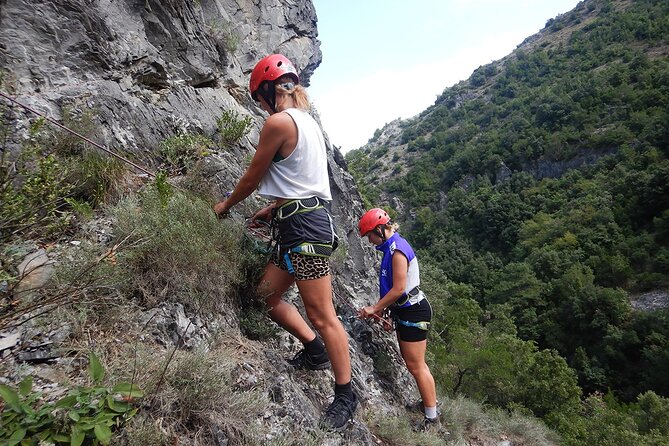
Steel cables meet serious safety on Mt. Olympus. This experience is a practical way into Mt. Olympus rock climbing, with real instruction on ropes and movement, and it keeps things calm thanks to small group attention. One thing to plan for, climbing shoes cost extra (+15€) if you do not rent them.
I like that you start with a structured course, not just a walk up and hope for the best. You also get complimentary photos and videos, so you’ll have something to remember besides sore forearms.
In This Review
- Key Things to Know Before You Go
- Mt. Olympus Climbing, Without the Confusion
- Getting There at 12:30: Private Transfer and Real Timing
- The Agia Kori Setup: River-Side Climbing Where the Day Starts to Feel Real
- Beginners Course: Via Ferrata, Abseil, and a First Top-Rope Climb
- Level 1: Partner Climbing Basics That Make You Safer
- Level 2: Quickdraw Leading and an Intro to Multi-Pitch Thinking
- Gear and Safety: Helmet, Harness, and Guides Who Keep It Practical
- Price and Value: What You’re Really Paying For
- Weather, Snow, and Slippery Rock: How to Prepare
- Who Should Book This Course, and Who Might Not
- Should You Book Olympus Rock Climbing Course and Via Ferrata?
- FAQ
- What time does the course start?
- Is prior climbing experience required?
- What safety gear is included?
- Are climbing shoes included?
- Where is pickup offered?
- How many people are in the group, and what is the minimum age?
Key Things to Know Before You Go
- Three course levels (Beginners, Level 1, Level 2) so you get the right challenge instead of a one-size lesson
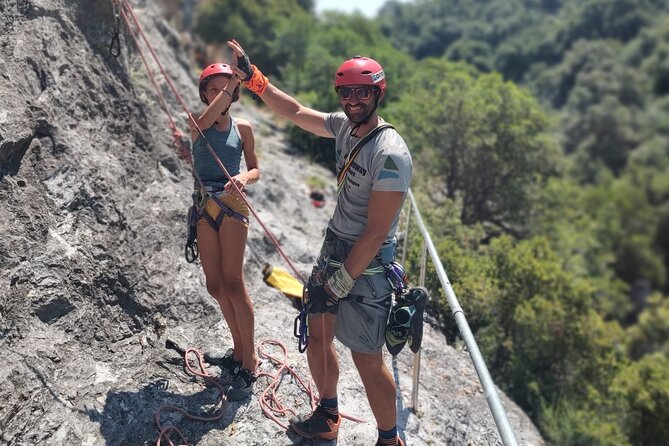
- Beginner via ferrata plus abseil and an easy top-rope climb, so you taste the full system early
- Hands-on rope skills like anchoring, belaying, rope management, and master point setup
- A short hike to the climbing field near a river in Agia Kori, which helps the day feel like an outing, not just a class
- Helmet and harness are included, with shoes available to rent for +15€
- Maximum 8 travelers, which means more attention from guides like Thomas, plus time to get questions answered
Mt. Olympus Climbing, Without the Confusion
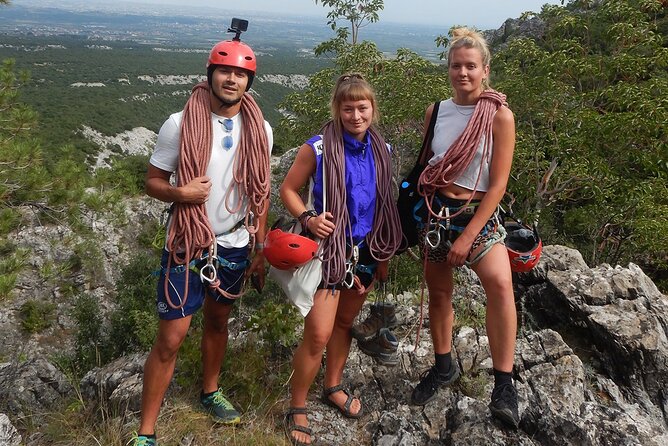
This is the kind of half-day activity that makes you feel like climbing has a method, not just a vibe. You get guided practice on how the gear works, how ropes are managed, and how people stay secure while moving upward or lowering down.
The Mt. Olympus setting adds something emotional, too. You are working with big surroundings, and that makes small skills feel important. If you’ve ever tried to copy what you see online, this course gives you the safe, step-by-step version.
At the same time, I’d call out the “expectation” factor. You are not signing up for a full summit day. You are signing up for rock climbing technique, via ferrata confidence, and the comfort of doing it with proper supervision.
More to do around Greece:
- Athens: Acropolis & up to 5 Archaeological Sites Combo Pass
★ 4.2 · 13,904 reviews - Athens: Acropolis Ticket with Optional Audio or Live Guide
★ 4.2 · 11,055 reviews - Santorini: Volcanic Islands Cruise with Hot Springs Visit
★ 4.4 · 10,869 reviews
Getting There at 12:30: Private Transfer and Real Timing
Your start time is 12:30 pm. That afternoon timing matters, because you’re heading into the climbing area after the morning routine, and weather can change fast on mountain terrain.
Good news for your stress level: the experience includes round-trip private transfer, plus hotel pickup and drop-off for selected hotels. If your hotel is not on the pickup list, you can still connect using the transfer points like the Train Station of Larisa, Neoi Poroi, and Leptokarya Litochoro.
One small practical note: if you’re thinking of eating right before you meet, keep it light. The start includes equipment prep and then a short hike to the climbing field, so you’ll feel better with a simple snack or early meal.
The Agia Kori Setup: River-Side Climbing Where the Day Starts to Feel Real
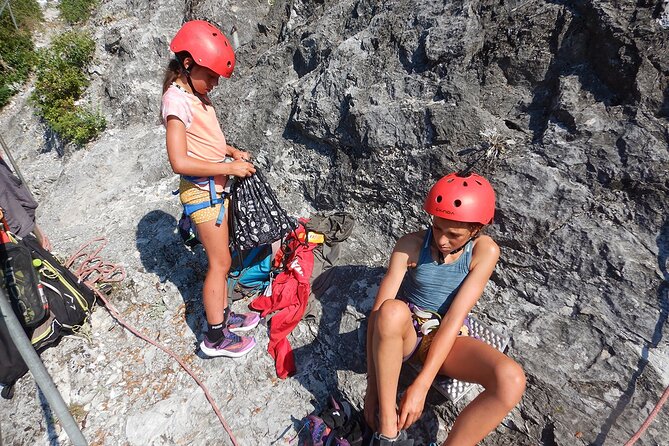
Once you meet, you keep moving. You’ll reach the starting point, handle your equipment, and then join a short hike to the climbing area by a river. That river-side setting helps because it breaks the day into stages, instead of jumping straight into climbing without context.
The Agia Kori area also makes the course feel outdoors in a good way. In this type of class, the environment helps you understand why anchors and belay technique matter. When you can see where the line goes and how movement affects your position, rope work stops being abstract.
Weather matters here. The experience operates in all weather conditions, so you need layers and rain readiness. If conditions are more serious, like snow and icy rock, you should be prepared for extra slipperiness and a more cautious pace, which came up in guidance notes from the day.
Beginners Course: Via Ferrata, Abseil, and a First Top-Rope Climb
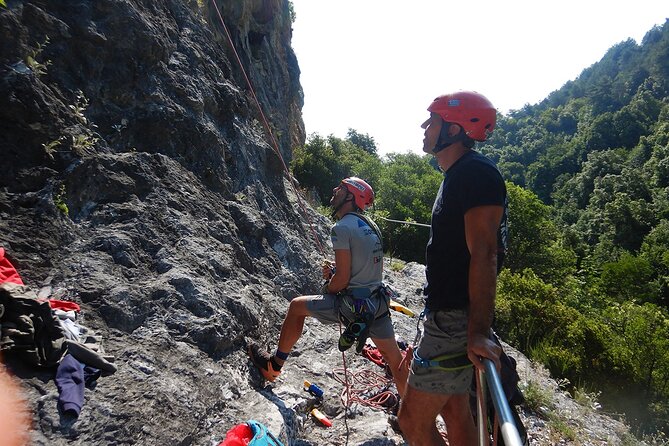
If you’re new, this is the level that makes the day feel like an actual adventure while still staying controlled. The Beginners track starts with via ferrata, then moves into abseil (rappelling), and includes an easy top-rope climb.
A via ferrata is essentially a climbing route that uses fixed lines, typically steel cables or a fixed rope system. In practical terms, it gives you a structure you can trust while learning body position and safe movement. You still need technique, but you’re not starting from nothing.
Abseil is where most first-timers feel it immediately, because it’s part courage, part skill. The course approach is to teach you how to set up, control your descent, and stay calm while your body gets used to the motion.
Then you finish with a top-rope climb that reinforces the whole system. You get the feeling of being clipped in, moving with a plan, and trusting the rope.
Who this suits best: absolute beginners, people who want confidence fast, and anyone who wants to try multiple styles in one half-day without picking just one.
A short hop away, these too:
- Athens: Acropolis, Parthenon & Acropolis Museum Guided Tour
★ 4.8 · 9,316 reviews - The Acropolis, Parthenon & Acropolis Museum Guided Tour
★ 4.7 · 8,493 reviews - Athens: Cape Sounion & Poseidon Temple Sunset Half-Day Trip
★ 4.8 · 8,241 reviews - From Kissamos Port: Boat Cruise to Balos Lagoon & Gramvousa
★ 4.2 · 6,755 reviews
Level 1: Partner Climbing Basics That Make You Safer
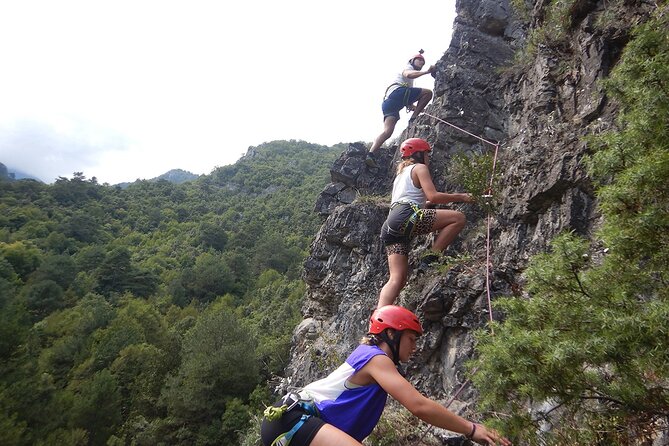
Level 1 is for you if you want to progress from doing climbing moves to understanding how climbing works with another person. This course focuses on climbing with your partner and learning the fundamentals that keep both climber and belayer secure.
You’ll practice essential items like basic knots, belaying, rope management, and climbing gear. You’ll also learn about master points, which is the setup that helps anchor the system properly so the rope lines behave the way they should.
A big value of Level 1 is that it makes you part of the safety process, not just part of the climbing. When you know how the rope is routed and how the belay is managed, you stop feeling helpless, even if the wall feels bigger than you expected.
Look for this level if you want a more interactive day. It’s less about a single dramatic moment and more about building the mental checklist that makes future climbs safer.
Level 2: Quickdraw Leading and an Intro to Multi-Pitch Thinking
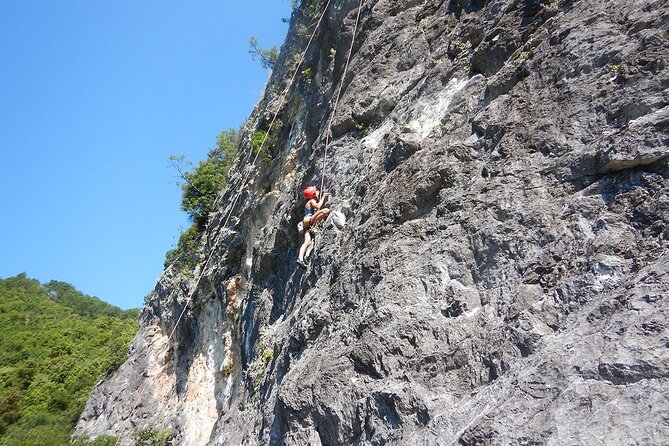
Level 2 is where the course starts to feel like real climbing technique, not just practice. Here you learn how to prepare master points, and you move into a leading climb using quickdraws.
Leading changes everything, because you are managing how you progress along the route and how the protection points relate to your movement. It also forces you to think in sequences, not single moves. That’s why the course is structured, rather than random trial climbs.
You also get an introduction to multi-pitch concepts. You might not be doing a full multi-day, multi-stage route, but you’ll start understanding why climbers plan transitions and how rope systems and anchors are used across sections.
Who Level 2 suits best: people who completed Level 1 style skills already, or anyone who wants more technical progression and is okay with a more active day on the rock.
Gear and Safety: Helmet, Harness, and Guides Who Keep It Practical
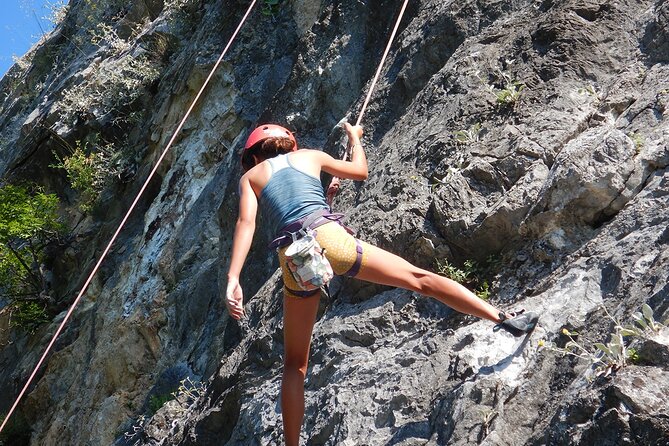
This tour includes safety gear, specifically a helmet and harness. That’s a big deal for value, because proper safety equipment is not an optional upgrade. You show up, get fitted, and focus on learning instead of shopping.
If you want to save money or you already have comfort-tested footwear, consider bringing your own shoes. If you do not, climbing shoes are available to rent for +15€, which is worth factoring into your total plan.
The best part is how the guides teach the skills. In the most praised guidance style, Thomas is described as very focused on safety while also keeping the day relaxed enough that beginners can breathe. Another theme from the guidance experience is calm instruction, plus solid pacing when conditions change.
Photos and videos are included, which means you can worry less about documenting every moment. You’ll likely be busy enough learning knots, belaying, or controlling movement, so having the memory set up in advance is a real convenience.
Price and Value: What You’re Really Paying For
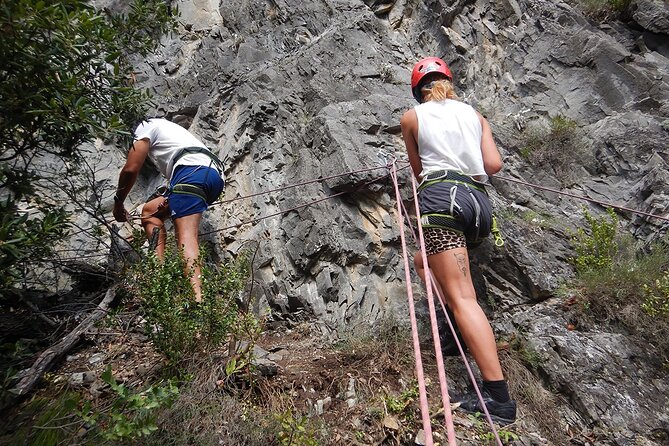
The price is $130.19 per person for about 4 hours. That is not cheap compared to a basic hike, but it is reasonable when you factor in what you get: a professional guide, national park fees, included safety gear, private transfer, and photos and videos.
Where the value gets especially clear is the small group limit of 8 travelers maximum. In climbing instruction, attention matters. You’re not waiting in line while the guide handles another group. You’re practicing, being checked, and getting corrections.
Your main extra costs are straightforward:
- Climbing shoes (+15€) if you need them
- Snacks and lunch are not included
If you plan your day well with water and simple food, the “extras” won’t surprise you. But if you show up hungry and unprepared, you’ll feel it because you’ll be out in outdoor conditions and working with your arms and core.
In plain terms: if you want a safe, guided route into climbing technique in one afternoon, this is a solid buy.
Weather, Snow, and Slippery Rock: How to Prepare
The experience operates in all weather conditions, so you need to dress for real outdoor changes. Even if you think conditions will be fine, mountains can shift fast.
Here’s the practical part. If there is snow or ice, expect slippery rock and slower, more cautious movement. One participant described the day as more dangerous due to snow, but the team adjusted and the climb continued. That’s exactly what a good guide system should do, adapt to conditions instead of forcing a plan.
Your best move is to pack for grip and warmth. Wear layers you can move in, and avoid cotton that stays damp. If you are renting shoes, ask for help getting a snug fit, because sloppy footwear will feel worse on rock.
Also, bring a mindset that says you’re there to learn. When surfaces are slick, you focus on technique and control, not bravado.
Who Should Book This Course, and Who Might Not
This fits you if:
- you’re curious about rock climbing but want instruction from the start
- you want to learn belaying and rope management, not only “how to climb”
- you prefer a small group with a guide who can correct your technique
- you want a half-day activity that still feels like a real skill-building day
You might reconsider if:
- you already know advanced systems and you want a long, route-heavy climb (this is about a course, not an epic)
- you’re uncomfortable with heights and controlled lowering right away, even with safety instruction
- you do not want to pay extra for climbing shoes (+15€) if you need them
The minimum age is 10 years, so it can work for families, assuming the child can follow instructions and stay focused during equipment and climbing steps.
Should You Book Olympus Rock Climbing Course and Via Ferrata?
I’d book it if you want a real introduction that covers the essentials: via ferrata structure, rope safety systems, and progression from first attempts to more climbing responsibility. The small group limit and included helmet and harness make it feel safe and worth the money.
I’d also book it if you like the idea of getting coached by guides such as Thomas, who is repeatedly described as focused on safety and teaching the right way, while keeping the day fun and not overly tense.
Just be honest about your starting point. If you’re brand new, choose Beginners and lean into the learning moments. If you already have experience with climbing basics, Level 1 or Level 2 will likely feel more rewarding.
If you want one clear takeaway, it’s this: you’ll leave with more confidence about how the system works, not just a few photos on a wall.
FAQ
What time does the course start?
The activity starts at 12:30 pm.
Is prior climbing experience required?
No. The course is designed for beginners, including Beginners, Level 1, and Level 2.
What safety gear is included?
Your helmet and harness are included.
Are climbing shoes included?
No. Climbing shoes are available to rent for +15€.
Where is pickup offered?
Pickup is offered from the Train Station of Larisa, Neoi Poroi, and Leptokarya Litochoro, and there is hotel pickup and drop-off for selected hotels.
How many people are in the group, and what is the minimum age?
The group has a maximum of 8 travelers, and the minimum age is 10 years.
Freshly listed near Greece
- Milos island:Step Back in Time★ 4.5 · 33 reviews
- Half Day Boat Tour to Kleftiko Milos★ 4.5 · 200 reviews
- Three Greek Islands Full-Day Private Luxury Boat Tour★ 5.0 · 48 reviews
- Milos: Half-Day Speedboat Cruise to Kleftiko with snorkeling tour★ 5.0 · 252 reviews
- Majestic Sunset Meteora Tour with Local Guide★ 5.0 · 237 reviews
- Meteora: Morning Half Day Sightseeing and Monasteries Tour★ 5.0 · 165 reviews
- Milos Experience Archaelogical and Cultural Experience★ 5.0 · 18 reviews
- Secret Caves of Meteora – Sunset Hike★ 5.0 · 29 reviews