
Reviewed · OLIVE FARM & OIL TASTING TOURS
North Corfu: Olive Tour with Olive Oil Tasting and Mezze
Olives have a way of changing how you taste everything. This private North Corfu olive tour takes you through working groves, an early twentieth-century olive press, and ends with a guided olive oil tasting plus a Corfiot mezze. It is a hands-on, on-foot experience built around how olive trees shape life here.
I especially love the combination of olive oil tasting and real production context, from the tree to the press. I also like that you are in the hands of hosts who clearly take pride in their own farm work, and you walk away with practical ways to judge oil, not just sample it. One watch-out: there is no hotel pickup, and the meeting point is in the village of Loutses (opposite taverna XATZOS), about 45 minutes from Corfu Town and the port, so you’ll want to plan transport or parking.
In This Review
- Key moments on this North Corfu olive tour
- North Corfu and the olive story you can actually walk
- Getting started in Loutses, then heading into the olive groves
- The early 1900s olive press: history you can point at
- Olive soap making: the production story goes beyond the bottle
- Olive oil tasting, and how to start spotting quality
- Meze in the shade: Corfiot food that fits the tasting
- Price and what you actually get for $64 per person
- Who this tour is perfect for, and who should pick something else
- Should you book Elaion Private Tours for the olive press and tasting?
- FAQ
- Where is the meeting point for the olive tour?
- Is hotel pickup and drop-off included?
- How long is the tour?
- What is included in the price?
- What language is the live guide?
- Is there parking near the meeting point?
- Where is this tour located on Corfu?
- What is the cancellation policy?
Key moments on this North Corfu olive tour
- Private access to an olive press dating to the early 1900s, so you can see how production used to work
- Walking through a Corfiot olive-growing area on foot, with time to notice the grove ecosystem
- Olive soap making as part of the story, not just olives and oil
- A structured olive oil tasting session, followed by food to match the flavors
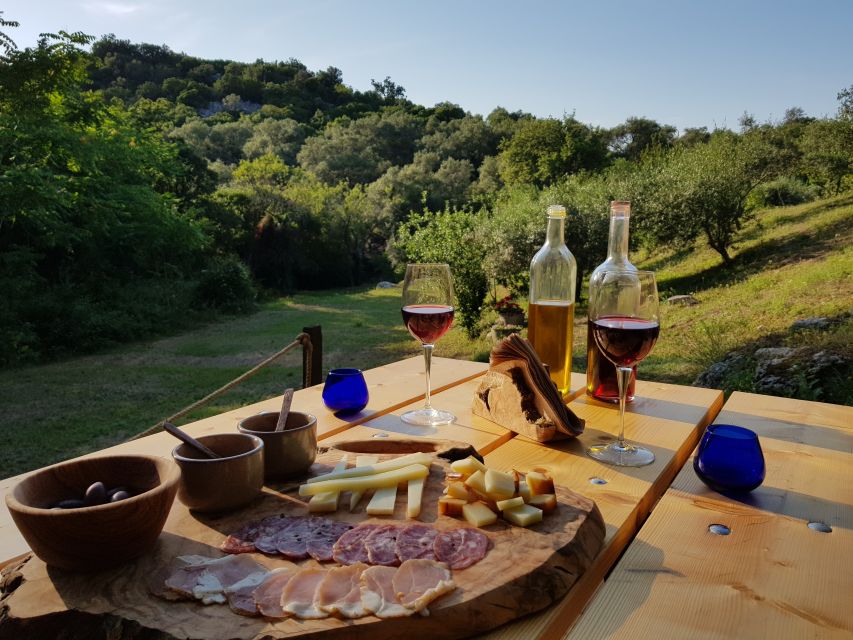
- A Corfiot meze served in a relaxed, shaded setting, with locally made products
North Corfu and the olive story you can actually walk
Corfu is famous for beaches, but North Corfu gives you something different: the daily rhythm behind the island’s olive culture. This tour is interesting because it stays in one place long enough to connect the dots, from the olive grove ecosystem to how oil (and soap) comes out of it.
I like that it feels grounded, not performative. You’re not just standing around learning olive trivia, you’re walking through the growing area and seeing production equipment that is part of the working tradition. And because it is a private tour in a specific farm setting, the pace is calm enough to ask questions and actually remember what you learned.
Your main consideration is logistics. The experience starts in Loutses, and you are responsible for getting there since hotel pickup and drop-off are not included. If you are staying far from the north side, give yourself buffer time.
More olive farm visits around Greece:
- Crete: Quad Safari, Olive Mill with Tasting & Ghost Village
★ 4.9 · 1,004 reviews - Knossos-Zeus Cave -Old Traditional Villages-Olive Oil Factory
★ 5.0 · 694 reviews - The Governor’s Olive Mill Tour with Olive Oil Tasting
★ 5.0 · 502 reviews
Getting started in Loutses, then heading into the olive groves
You meet in the village of Loutses at the point identified as Loutses 1, opposite a small taverna called XATZOS. There is also a practical detail that matters: a sign points you toward the olive grove because it does not show up on maps clearly. If you have a rental car, you’ll be happy to know there is free private parking.
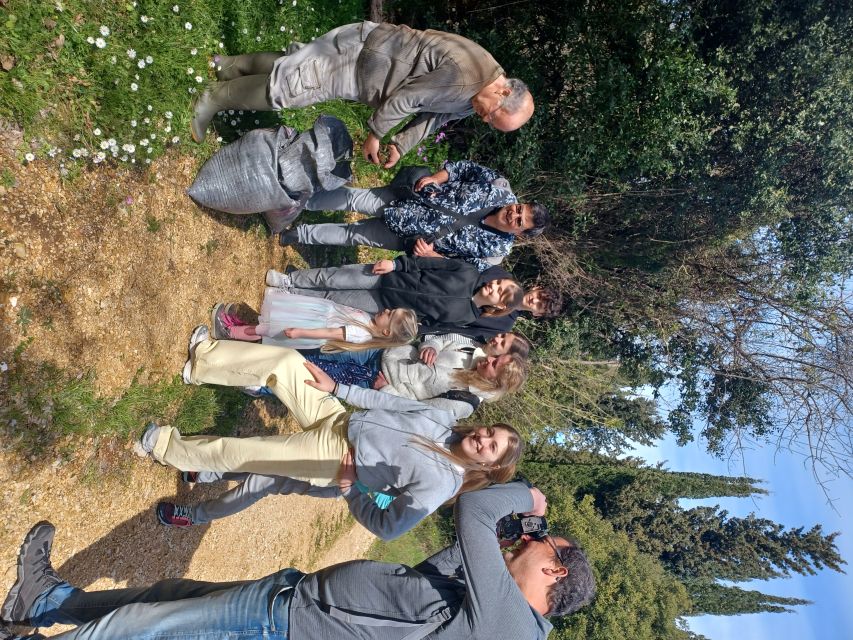
Once you connect with your guide, the tour shifts to the grove. You begin with an on-foot walk through the Corfiot olive ecosystem, guided at a pace that lets you look at more than just trees. Expect to learn how olives were cultivated over time, and to notice how an olive-growing area supports more than one kind of life, with flora and fauna in the area.
A nice touch here is the guide’s storytelling style. Multiple guests describe a host who makes the subject feel personal and fun, so you’re not stuck in a lecture. This matters because olives and olive oil can seem abstract until someone helps you connect taste, cultivation, and processing into one clear chain.
Practical tip: wear comfortable shoes. You’ll be walking on uneven outdoor ground and you’ll want something steady for the grove path.
The early 1900s olive press: history you can point at
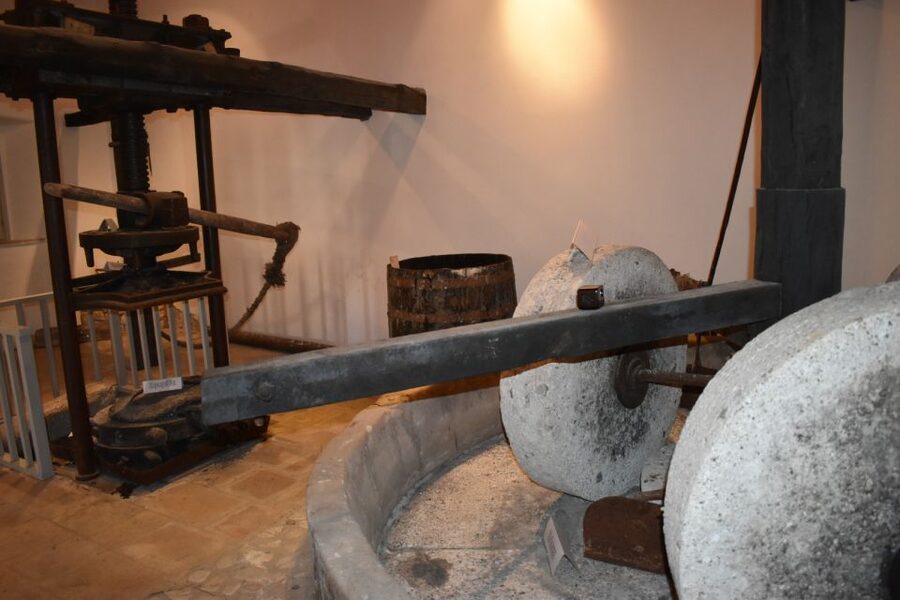
A standout moment is the small traditional village stop and the olive press itself. This is not a museum-style walkthrough. You get exclusive access to the activity provider’s own olive press, and it dates to the early 1900s.
That matters because old presses show you the practical engineering of making oil. You can see why olive harvesting timing, crushing methods, and the flow of the process were so important. When you watch how a press works in that setting, the history stops being a timeline and becomes a tool that people used with real effort during the harvest season.
I also like that the tour connects past and present. You learn about the historical cultivation of olives through the ages, then you move toward how the oil and products fit into today’s life in Corfu. That gives you a better sense of why olive oil is such a dominant part of Corfiot society, not just a product to buy.
If you like hands-on experiences, this stop is one of the reasons the tour earns such strong ratings. It gives you a clear visual reference for what you later taste.
Olive soap making: the production story goes beyond the bottle
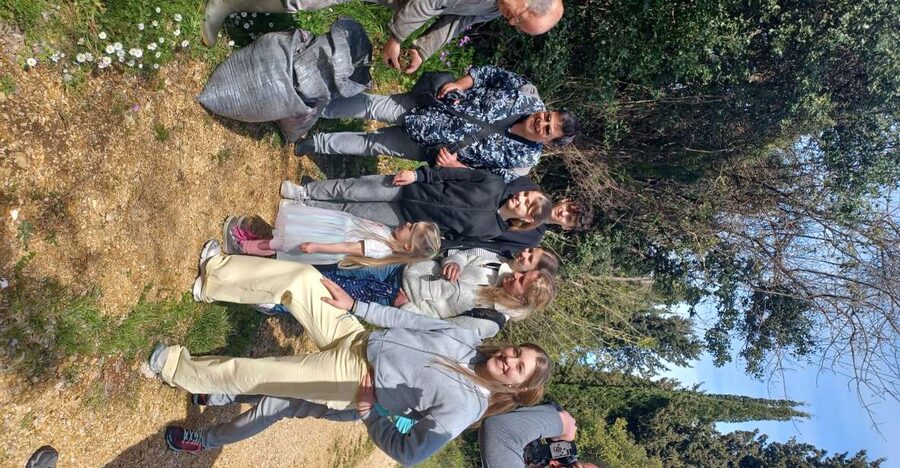
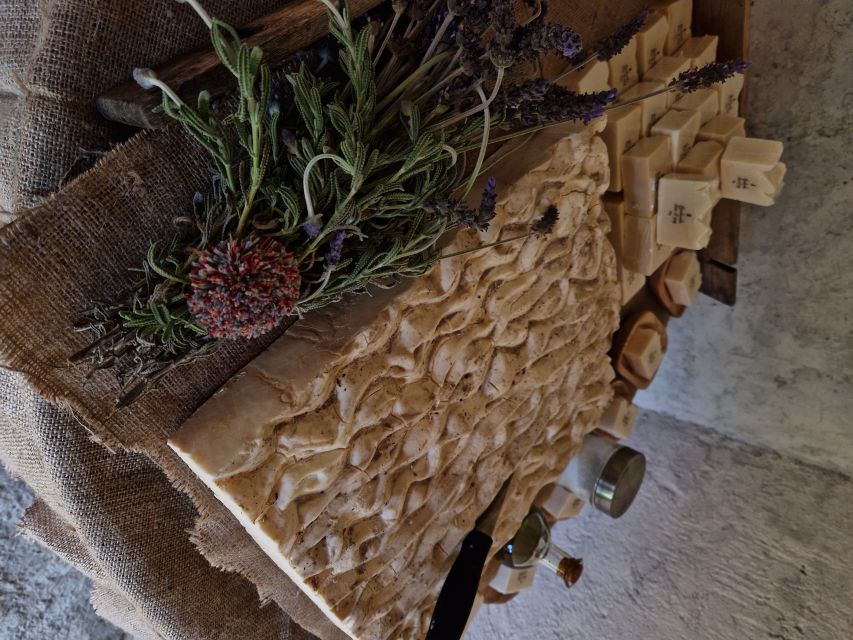
Most olive tours stop at tasting. This one keeps going with olive soap making. It’s included in what you experience, and it adds a useful angle: olives are not just for oil as a culinary ingredient, they feed other everyday traditions, too.
Soap may sound like a detour, but in an olive-growing culture it is part of the same logic. It reinforces that the work around olives is about using what you have, turning raw materials into useful products, and continuing craft methods that support local life.
What I take away from this section is how the guide frames resources and effort. You start to understand the olive grove as an ecosystem that supports multiple outputs, and you see how knowledge is passed along generation to generation.
Other ways to spend the day near Greece
- Greek Food Walking Tour in Athens
★ 5.0 · 4,740 reviews - Athens: Street Food Tasting Tour
★ 4.9 · 3,343 reviews - Athens: Guided Greek Food Walking Tour with Tastings
★ 4.9 · 2,859 reviews - Santorini: Top Sights Day Trip, Wine Tasting, & Oia Sunset
★ 4.6 · 2,492 reviews
Olive oil tasting, and how to start spotting quality
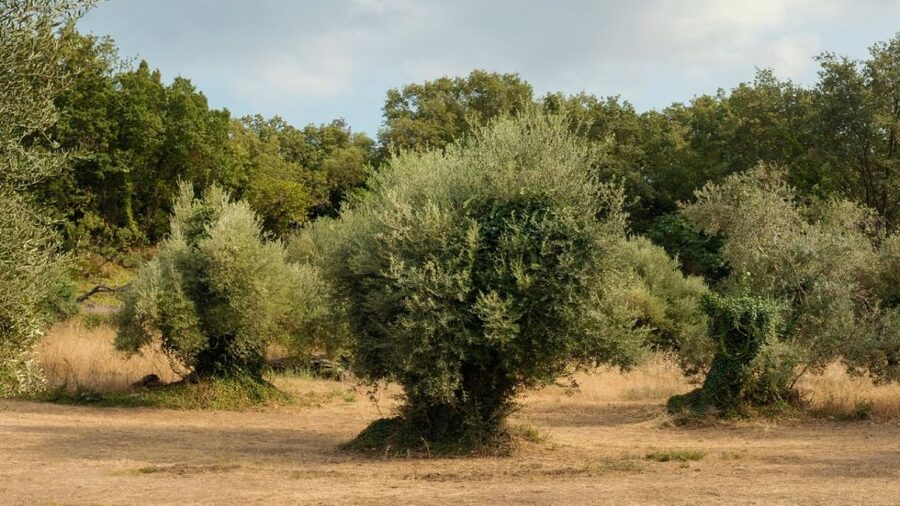
The tasting session is the heart of the value here. You taste olive oil as part of the tour, and you do not just sample anonymously. You also get guidance on what you’re tasting and how to tell different qualities apart.
This is exactly where I think the tour justifies its price. Bottled olive oil can be confusing. “Extra virgin” is on the label, but real quality can be hard to judge from a shelf. Here, tasting within the context of the grove and press helps you make sense of what changes from harvest to processing.
A few practical takeaways to keep in mind while you taste:
- Focus on how the oil feels, not only how it tastes. Think about mouthfeel and intensity.
- Notice differences between oils you might otherwise treat as the same category.
- Ask your guide what makes good oil stand out, then compare it directly in your next sip.
Multiple guests mention learning a lot about how to recognize good olive oil and how their own buying habits changed. Even if you are already a fan of olive oil, this kind of tasting can help you put words to what you like, and it can help you buy with more confidence later.
Meze in the shade: Corfiot food that fits the tasting
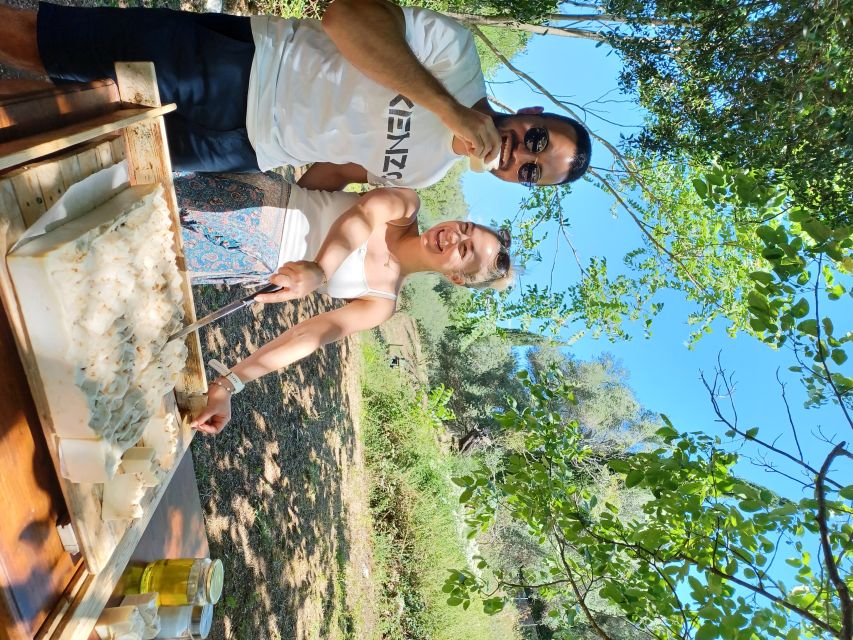
After the tasting comes the mezze. This is your chance to connect flavor theory to real food. You get a meze made from quality Corfiot products, including olives, bread, cheese, and more.
What makes the meal satisfying is not only what’s on the platter, it’s how it closes the loop. You taste olive oil first, then you eat foods that carry salt, fat, and texture in ways that highlight the oil’s character. And because it is served after time in the grove, it feels like you’re finally sitting down with the results of the work you just watched.
From guest feedback, the meze can include items like local meats and dolmadakia, and some tastings come with local wine as part of the food spread. Even without getting hung up on specific dishes, you can plan for a plate of local comfort foods built around olives and regional staples.
One small consideration: since the tour is outdoors and then transitions to food, check how hot it is during your visit. In summer, shade and water matter. If you are sensitive to heat, plan an earlier start and take breaks when your guide offers them.
Price and what you actually get for $64 per person
At $64 per person for a 3-hour private tour, you’re paying for more than tasting. You’re paying for the full production experience: olive grove walk, early-1900s press access, olive soap making, a tasting session, and a Corfiot mezze.
Here’s how I see the value:
- Context makes the tasting worth it. Olive oil sampling is common, but sampling with production history is rarer.
- Private access beats public tours. Exclusive use of the olive press and a farm setting usually means a less rushed feel.
- You go home with better buying skills. If you can identify quality, you’ll get better value from every bottle you buy later.
Group size is another reason this can feel worth it. The tour is private, and guests describe small group feel. That matters because tasting and Q and A work better when you are not competing for attention.
Duration is also realistic. Three hours is long enough for meaningful walking and tasting, but short enough that you’re not burning half your day to learn about olives.
Who this tour is perfect for, and who should pick something else
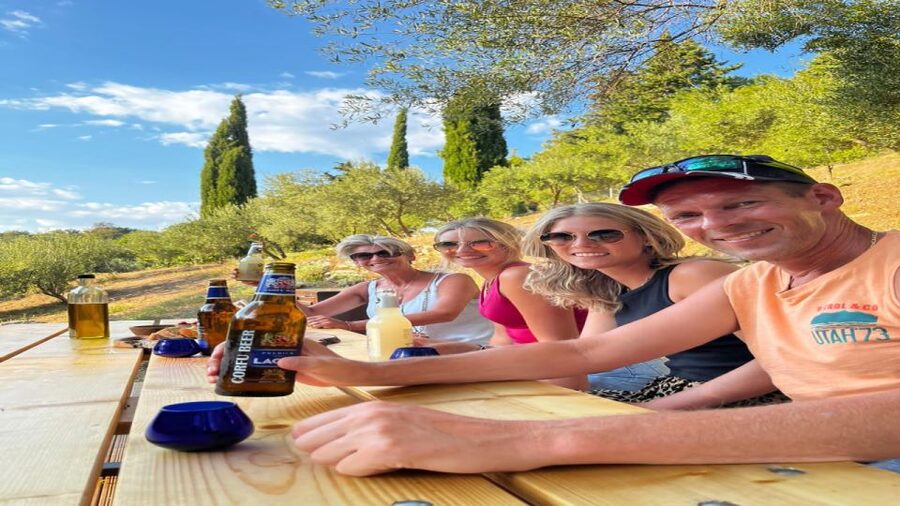
This tour fits best if you want an authentic North Corfu experience tied to local craft. You’ll enjoy it if you like food culture, you want to understand how everyday products are made, and you like tours where you can ask questions and get clear answers.
It is also ideal for couples, solo travelers, and anyone who enjoys quieter, rural settings rather than big bus groups. If you are the kind of person who reads ingredient labels and wants to buy better olive oil, this is a strong match.
Who might not love it as much:
- If you want big sightseeing stops and sweeping views, this is a food and production-focused tour, not a scenic drive day.
- If you rely on hotel pickup for convenience, you’ll need to arrange your own ride or use the free parking at the meeting area.
If you do decide to go, make your life easy by planning transport ahead of time. North Corfu is about 45 minutes from Corfu Town and the port, so allow buffer time for getting to Loutses and finding the correct direction sign.
Should you book Elaion Private Tours for the olive press and tasting?
If you’re deciding between a generic olive oil tasting and a tour that connects olives to production, I’d book this one. The big reason is the structure: walk the grove, see the early-1900s press, learn about olive soap making, taste olive oil with guidance, then eat a Corfiot meze.
You’ll come away with a practical skill, not just souvenirs. And based on the repeated praise for the hosts, this is the kind of experience where the guide’s energy actually supports learning, which makes the whole afternoon feel memorable.
Before you book, check one thing carefully: can you get to Loutses on your schedule? If yes, then this is a smart way to spend 3 hours in Corfu that feels truly local.
FAQ
Where is the meeting point for the olive tour?
The meeting point is in the village of Loutses, opposite a small taverna called XATZOS. When you arrive, there will be a sign pointing you toward the olive grove because it does not appear clearly on maps.
Is hotel pickup and drop-off included?
No. Hotel pickup and drop-off are not included.
How long is the tour?
The tour lasts 3 hours.
What is included in the price?
Included are the guide, the olive mill and press experience, an olive oil tasting session, and a Corfiot meze.
What language is the live guide?
The tour is guided in English.
Is there parking near the meeting point?
Yes. Free private parking is available.
Where is this tour located on Corfu?
It’s in the north of the island, about 45 minutes from Corfu Town and the port.
What is the cancellation policy?
You can cancel up to 24 hours in advance for a full refund.
Freshly listed near Greece
- Rethymno Old Town: A Traditional Cretan Food Tour★ 4.9 · 103 reviews
- Rethymno: Old Town Segway Tour★ 4.9 · 39 reviews
- Rethymno: Luxury Sunset Cruise with Dinner and Drinks★ 3.9 · 34 reviews
- Rethymno: Gramvousa & Balos Lagoon Day Trip with Boat Ticket★ 4.6 · 249 reviews
- Rethymno: Guided e-Bike Tour on Mili Gorge and Soft Drinks★ 4.9 · 36 reviews
- Rethymno: Full or Half-Day Trip to Chania with Audio Guide★ 4.3 · 359 reviews
- From Rethymno: Lake Kournas and Villages Full-Day Tour★ 4.4 · 45 reviews
- Rethymno: Glyka Nera, Loutro, & Sfakia Day Trip★ 4.7 · 95 reviews
Olive Farm & Oil Tasting Tours, compared.
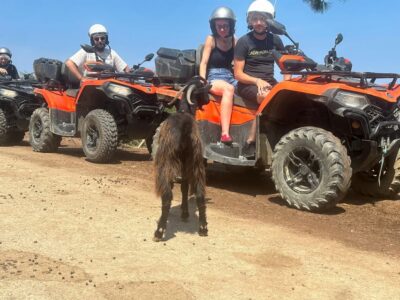
Quad Safari, Olive Mill with Tasting & Ghost Village
Read our review →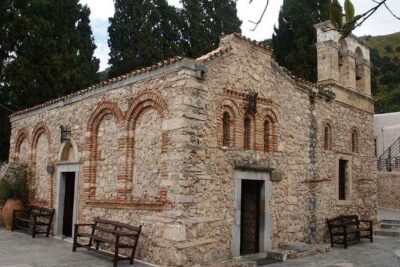
Zeus Cave -Old Traditional Villages-Olive Oil Factory
Read our review →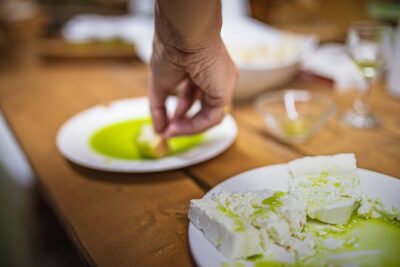
The Governor’s Olive Mill Tour with Olive Oil Tasting
Read our review →
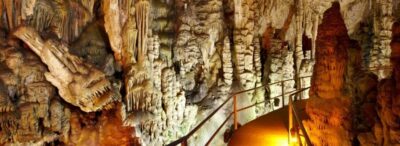
Road-trip to Lasithi, Zeus Cave & Olive Mill Farm
Read our review →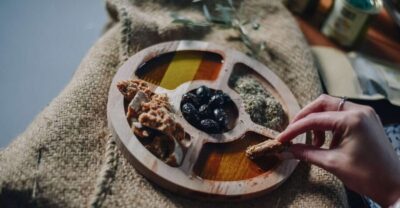
Olive Farm Tour with Tasting of Local Delicacies
Read our review →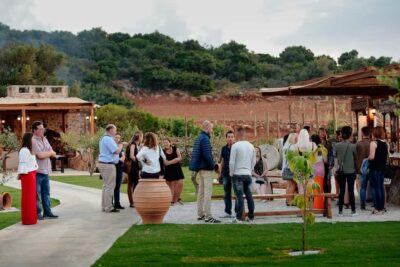
Lassithi, Zeus Cave, Olive Mill Farm & Knossos Combo Tour
Read our review →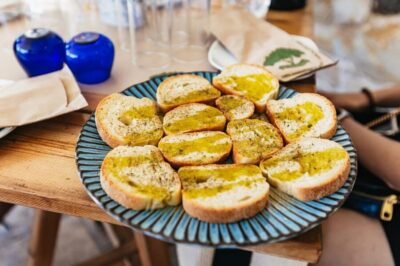
Browse the lists this tour appears in