
Reviewed · METEORA MONASTERY DAY TOURS
Kalabaka: Meteora Small-Group Hiking Tour w/ Monastery Visit
Meteora looks unreal from the ground. What makes this tour special is how you walk up close to the pillars and monasteries, then stop inside one major site for a proper look at Eastern Orthodox life. It also pays attention to details beyond photos, like geology and local stories that explain why people built up there in the first place.
Two things I like a lot are the guided hike through the rocks and hills (you get viewpoints you would miss driving), and the human scale of the experience. You are also not stuck at one monastery, you see more than just the postcard angles, including key stops like Ypapanti and the ruins of St. Dimitrios on the way up.
One consideration: this is still a hike with uneven ground, rocky steps, and inclines. If you have low fitness, heart problems, mobility limits, or you need step-free routes, this one is not a good match.
In This Review
- Key highlights worth planning for
- Meteora on foot: why this hiking route feels different
- Kalabaka pickup, then a quick coach hop to Kastraki Square
- Dupiani Hermitage, Pantokratoros ruins, and the Ypapanti stop that sets the tone
- The hike up toward the Great Meteoron and Varlaam area
- Great Meteoron visit: your one-hour window to slow down
- Varlaam plus the descent: different views, different mood
- The guides make it: pace, pointers, and what to watch for
- What monastery visits are like, and how to avoid common mistakes
- What to bring: the small kit that prevents big hassles
- Price and value: where your $35 really lands
- Who should book this Meteora hike (and who should skip it)
- Quick decision guide: should you book?
- FAQ
- How long is the Meteora small-group hiking tour?
- Where does pickup happen?
- What is included in the price?
- Are monastery entry fees included?
- What should I bring and wear?
- Is this tour suitable for children or mobility needs?
Key highlights worth planning for
- A close-up, walking-first route that helps you actually read Meteora’s rock formations
- Great Meteoron or Varlaam Monastery visit time for real exploration from the rock edge
- Dupiani Hermitage to Ypapanti and St. Dimitrios ruins, so you see the full story chain
- The Varlaam down-route to St. George the Madilas, tying scenery to local tradition
- A friendly English-speaking mountain guide who keeps the pace sensible and the stops meaningful
Meteora on foot: why this hiking route feels different
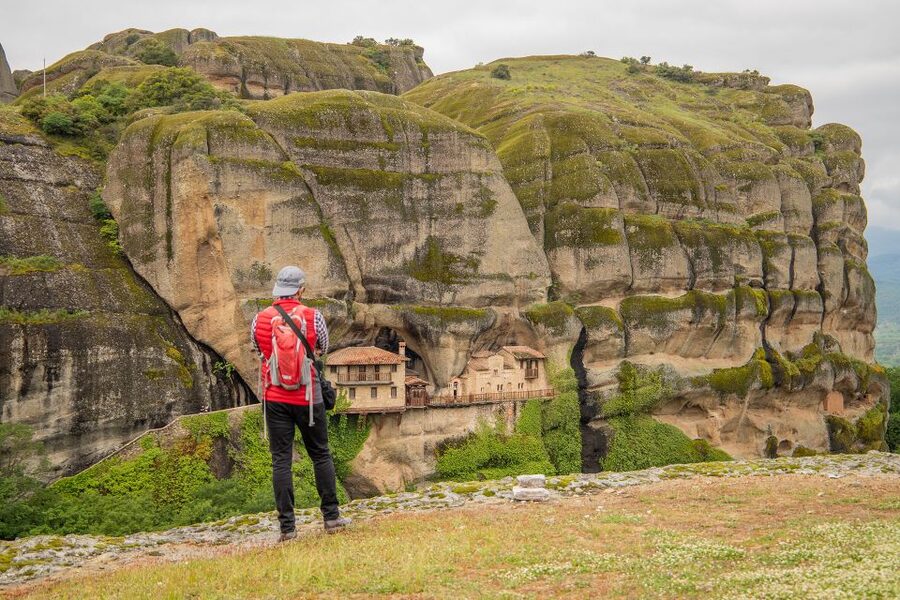
Meteora can be done by car, but it never feels as real. When you hike, you notice how the sandstone pillars form, how trails thread between ridges, and how the monasteries sit like watchtowers above changing valleys. That is the whole point here: walking is the only way to truly observe the patterns and get your bearings.
What also helps is that the tour is built around viewpoint transitions. You do not just shuffle from one platform to another. You move through terrain, then stop where the rock geometry gives you the best angles.
More Meteora monastery days:
- Meteora: Morning Half Day Sightseeing and Monasteries Tour
★ 4.7 · 478 reviews - Meteora: Majestic Sunset Tour & Monasteries with Local Guide
★ 4.7 · 392 reviews - Meteora: Panoramic Morning Small Group Tour with Local Guide
★ 4.7 · 334 reviews
Kalabaka pickup, then a quick coach hop to Kastraki Square
The day starts with pickup in Kalabaka, including stops at a long list of hotels and guesthouses. You then take a short bus or coach ride of about 10 minutes before the hiking part really begins.
That setup matters. You spend less time transferring and more time outside. And since the hike starts from Kastraki Square, you get a gentler entry into Meteora’s rock world before the climbs start demanding your attention.
Dupiani Hermitage, Pantokratoros ruins, and the Ypapanti stop that sets the tone
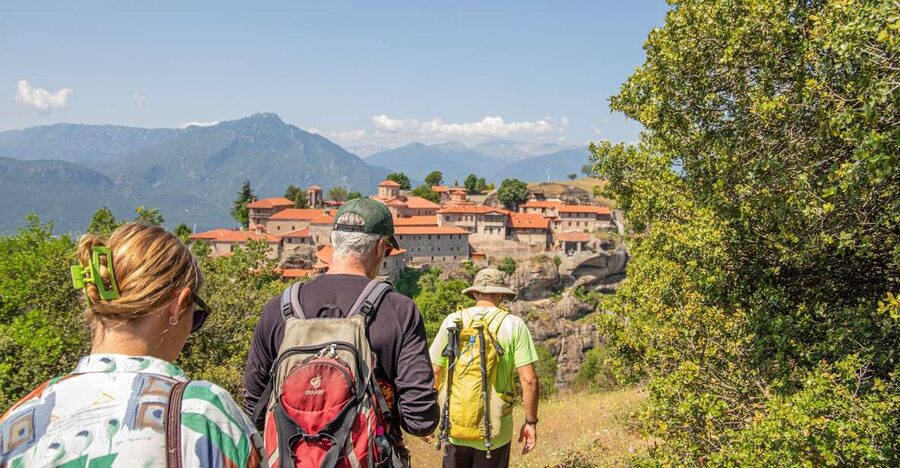
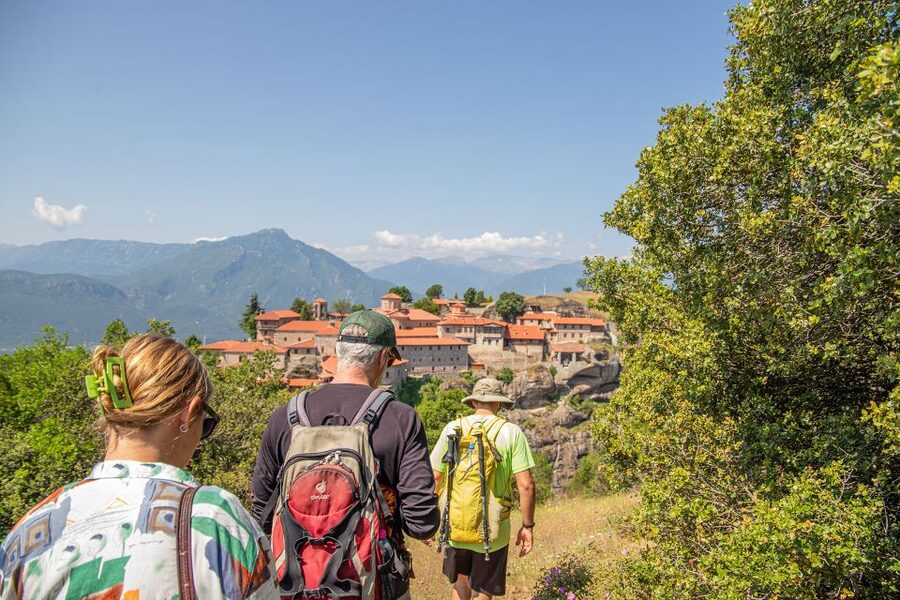
From Kastraki Square, the walk heads toward Dupiani Hermitage. Along the way, you pass below the ruined Pantokratoros Monastery on the north side of Dupiani’s rock. These are not just photo moments. They give you context for how the monastic landscape evolved across different peaks and ledges.
Next is Ypapanti Monastery, followed by the ruins of St. Dimitrios. This is one of the most interesting “why it matters” stops on the route, because the ruins connect the site to a specific historical turning point: St. Dimitrios was destroyed by the Ottomans in 1808 during a local uprising.
I like this part because it prevents Meteora from becoming a theme-park. You get scenery, but also a thread of cause and effect. The rocks are dramatic, yet the story is human.
The hike up toward the Great Meteoron and Varlaam area
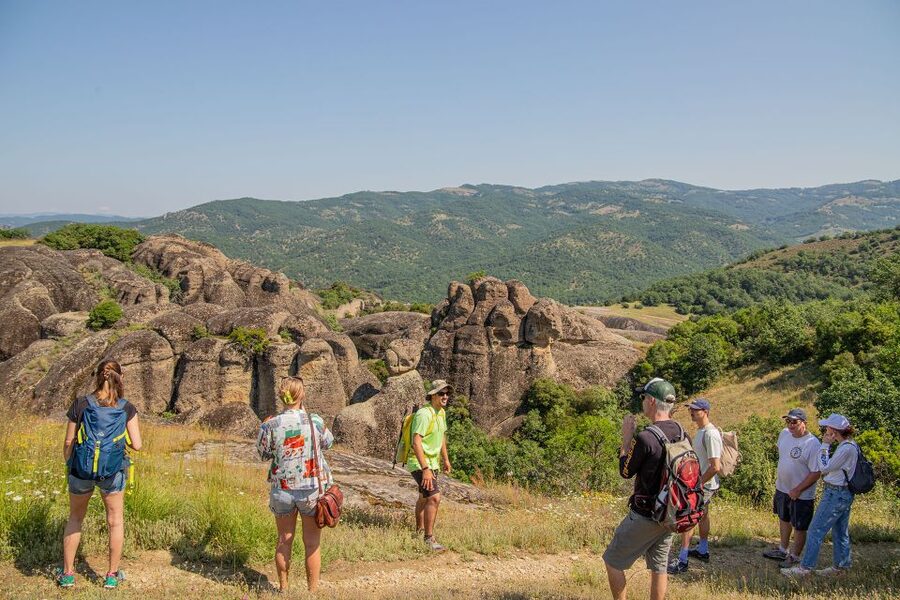
After the earlier stops, the trail pushes you all the way up to the Great Meteoro and Varlaam monasteries. These are two of the six Eastern Orthodox monasteries in the Meteora area, and they sit inside a UNESCO World Heritage Site.
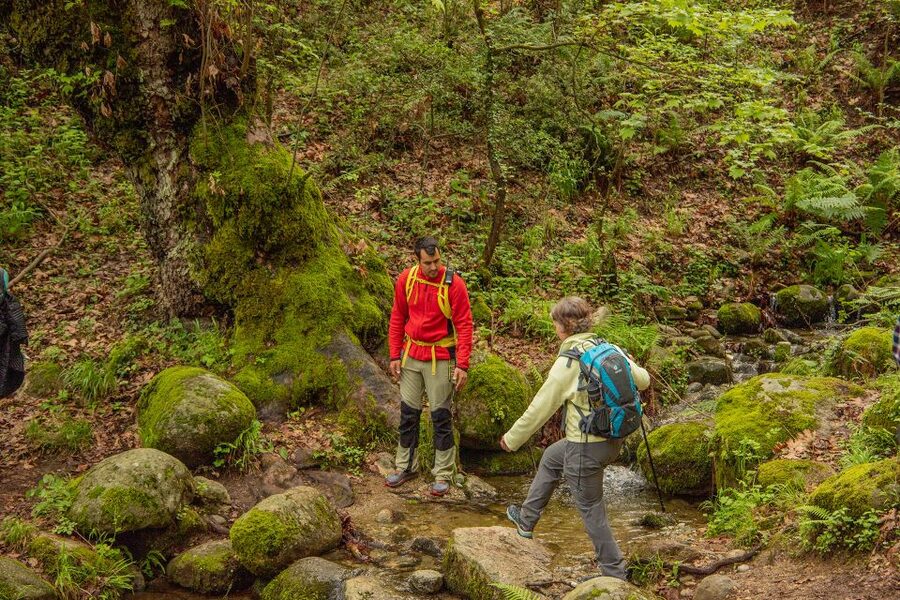
This is where the “small-group hiking” label becomes real. The terrain is rocky in places, with inclines and steps. Many guides pace the group to fit the day and the hikers in it, and you will see that flexibility reflected in guide comments. Even when the hike has tough stretches, a good guide will keep you moving without turning it into a race.
If you get warm easily, plan for it. Some past hikers noted it can be pretty warm, and even when the route includes shade, you still need hydration and a steady rhythm.
Other ways to spend the day near Kalabaka
- Meteora: Sunset Hike to Secret Caves
★ 4.9 · 56 reviews - Meteora: Hiking Tour with Local Guide and Monastery Visit
★ 4.8 · 20 reviews - From Kalabaka: Authentic Meteora Hiking Tour – Local Agency
★ 5.0 · 20 reviews - From Chania: Full-Day Samaria Gorge Trek Excursion & Guide
★ 4.6 · 3,191 reviews
Great Meteoron visit: your one-hour window to slow down
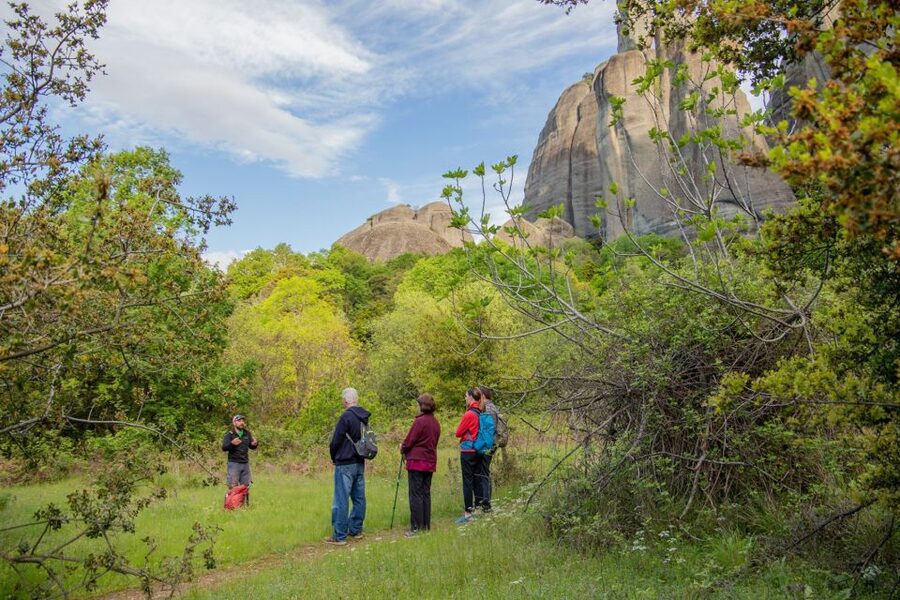
Your tour includes a visit to either Great Meteoron or Varlaam, depending on the day’s route. Great Meteoron is the big name, and the tour gives you about one hour once you reach it.
This is the part where you shift from hiking mode to viewpoint and monastery mode. You will do sightseeing, you can self-explore inside during the allowed time, and you also get scenic stops on the way. The guide helps you understand what to look for, but you are not locked into a constant lecture.
Important practical note: monastery entry fees are not included. You should budget about €5 per person per monastery entry, and remember that you will be doing this as a paid stop. Cash can help.
Varlaam plus the descent: different views, different mood
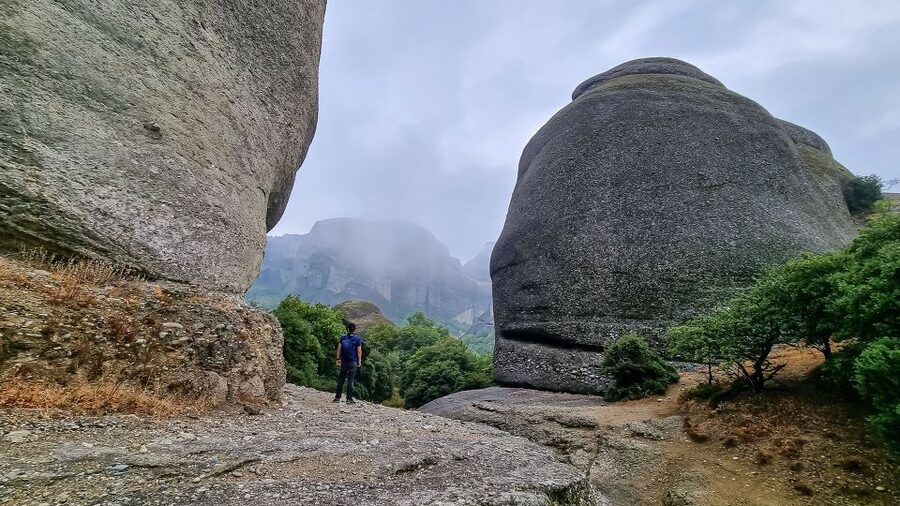
If Great Meteoron is your included visit, you still experience Varlaam as part of the overall route planning and sight connections. If Varlaam is your included monastery, you get the same benefit in reverse: you climb to one highlight, then later see the area from a different angle as the route turns.
Varlaam is often described as magical from the trails, and the best part is the contrast between going up and coming down. The descent toward St. George the Madilas gives you a new “layer” of Meteora views because you are moving through a different line of sight.
And then there is St. George the Madilas. This is not a major monastery stop like the UNESCO-famous sites, but it is memorable because it connects to local tradition. The tour takes you to the place where local children climb using only a rope to dedicate offerings to St. George.
That cultural detail is exactly why this hike works better than car tours. The scenery is stunning, but the lived traditions make it stick.
The guides make it: pace, pointers, and what to watch for
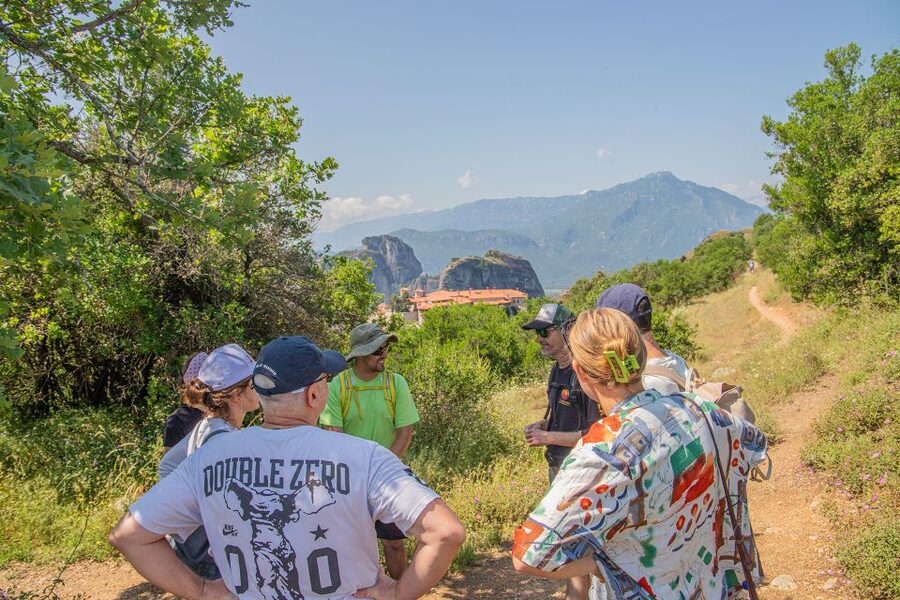
A huge chunk of value here is the mountain guide. Past guide names you may hear include Christos, Evan, Dimitri, Dimitris, Christos, and Chris. Whoever you get, the pattern is consistent: guides explain what you are seeing, and they also help you notice details you would miss if you just walked.
I especially like how guides are described as flexible with pace. That matters on Meteora, where “moderate” can still include steep steps and rocky sections. You also get help with how to look at monasteries, so your time inside feels intentional instead of rushed.
There is also a strong focus on more than buildings. Guides talk about local fauna and myths, and they connect the natural setting to the monastic story. Even if your main reason to visit is photography, these stop-and-listen moments improve your photos because you start framing with meaning.
What monastery visits are like, and how to avoid common mistakes
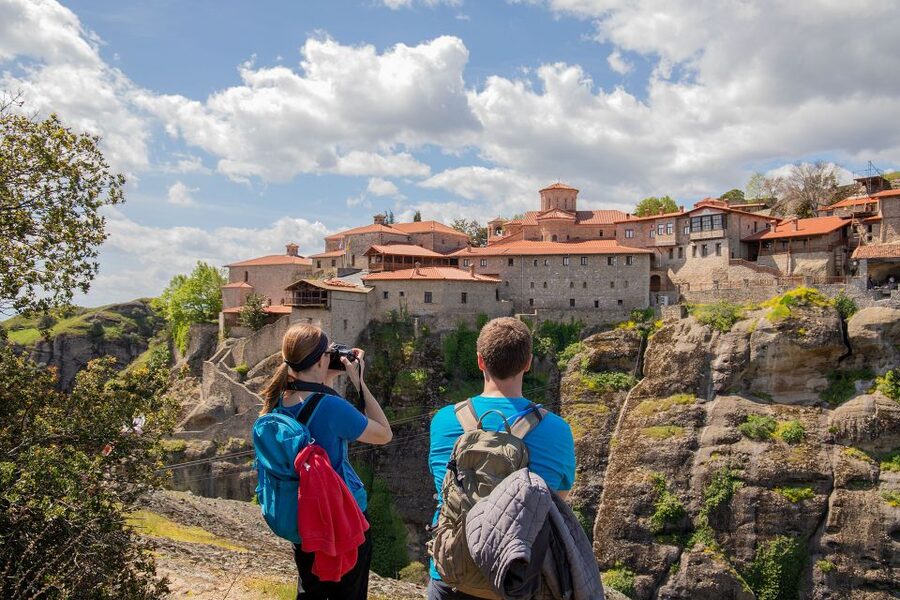
You are visiting at least one monastery for about an hour. You will do a guided tour around the grounds, then you can explore on your own time. The guide inside the monasteries is not included, so it is smart to come with a little curiosity and to use your guide time outside to ask what you should pay attention to.
Also, dress code matters. Sleeveless shirts are not allowed. You will want covered shoulders and comfortable layers you can adjust as you move from shaded trails to open rock viewpoints.
And bring your “walking brain.” Closed-toe shoes with non-slip soles are required. Sandals or flip-flops are not allowed, and the rocky descent can be harder than you expect if your footwear grips poorly.
What to bring: the small kit that prevents big hassles
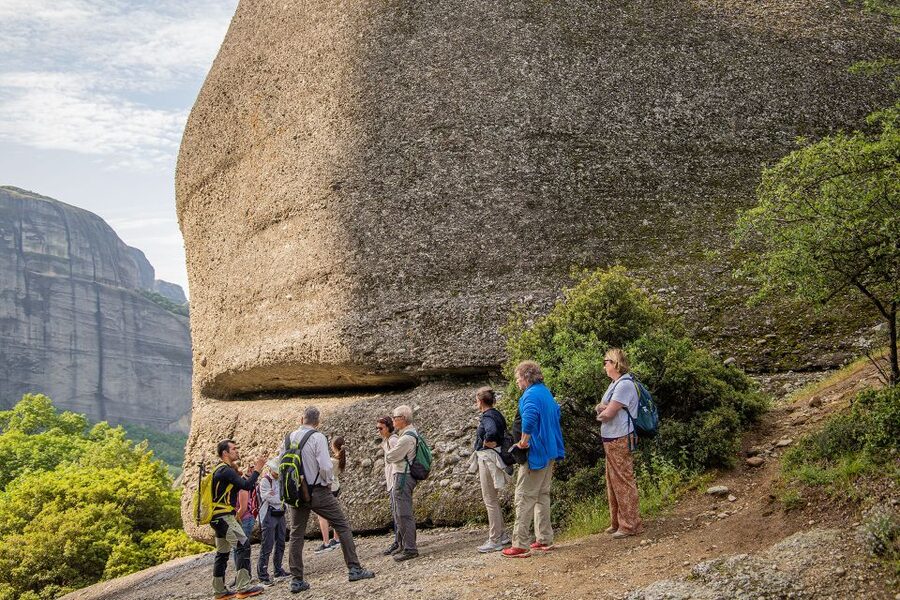
Even though the tour provides a bottle of water, you should still pack snacks and anything you need to stay comfortable on a hike. The tour lasts about 5 hours, with walking time spread across multiple segments.
Here is a practical checklist that matches what the tour asks for:
- Comfortable shoes that grip (no flip-flops)
- Hat for sun
- Snacks for the hike
- Comfortable clothes you can layer
- Cash for monastery entry fees (about €5 per person per monastery)
If the weather changes quickly, you might appreciate layers more than you think. Meteora can feel dramatic in every season, and your comfort on the trail depends on whether you can manage temperature.
Price and value: where your $35 really lands
At about $35 per person, this tour can feel like a bargain compared to the typical “viewpoint day” setup. The big reason is that you are getting three useful pieces in one package: pickup and drop-off from Kalabaka, a live English-speaking mountain guide, and guided hiking time plus sightseeing.
The few costs to watch are monastery entry fees and any food. Entry fees are not included, and food and drinks are not specified. That means your final spending depends on how many monasteries you end up entering and whether you bring snacks or stop to buy meals.
For me, the best value is the balance between motion and meaning. You spend real time outdoors, and you get enough monastery access to understand what you are looking at, without wasting hours on logistics.
Who should book this Meteora hike (and who should skip it)
This tour is a strong fit if you want:
- A half-day hike with a guided route and multiple stops
- The best rock-and-monastery viewpoints without feeling like you are sprinting between parking lots
- A mix of scenery, mythology, and local nature details
It is not a great fit if you:
- Have heart problems
- Have low level of fitness
- Need mobility support for uneven ground
- Are visually impaired (not suitable per tour info)
- Plan to travel with children under 7
Also, if you hate steps and rocky trails, take that seriously. Even when guides describe the hike as mostly manageable, there are still steep sections and uneven footing. This is hiking, not a stroll.
Quick decision guide: should you book?
Book this tour if your Meteora “must do” is seeing the monasteries as part of the land, not just as background. You will get a walking route that helps you understand the rock formations, plus a monastery visit that you can actually enjoy instead of rushing through.
Skip it if you want a fully car-based day, or if uneven rocky trails would be unsafe or miserable for you. In that case, look for a more accessible sightseeing option.
If you do book, pick the date based on weather, because rain can change the feel of the hike. And do not forget to wear the right shoes, bring a hat, and plan for monastery entry fees.
FAQ
How long is the Meteora small-group hiking tour?
The duration is about 5 hours.
Where does pickup happen?
Pickup is in Kalabaka, with pickup also listed for a long list of specific hotels and guesthouses.
What is included in the price?
Pickup and drop-off, a mountain guide, a map, and a bottle of water are included.
Are monastery entry fees included?
No. Entry fees are not included, and Great Meteoron or Varlaam Monastery entry is listed as about €5 per person per monastery.
What should I bring and wear?
Bring comfortable shoes, a hat, snacks, comfortable clothes, and cash. Sandals or flip-flops are not allowed, and sleeveless shirts are not allowed.
Is this tour suitable for children or mobility needs?
It is not suitable for children under 7 years, and it is also listed as not suitable for people with heart problems, people with low level of fitness, visually impaired people, and people with mobility impairments.
Freshly listed near Kalabaka
- Meteora: Sunset Small Size Tour with Monasteries & Caves★ 4.8 · 252 reviews
- Meteora: Half-Day Meteora Monasteries Small Group Tour★ 4.7 · 232 reviews
- Meteora: Hiking Tour with Local Guide and Monastery Visit★ 4.8 · 20 reviews
- Meteora Evening Tour with Breathtaking Sunset View★ 5.0 · 44 reviews
- Meteora: Sunset Hike to Secret Caves★ 4.9 · 56 reviews
- Meteora: Monasteries Tour, Lunch, and Athens Transfer Option★ 4.8 · 102 reviews
- Kalabaka: Meteora Private Day Tour with a Local Guide★ 4.8 · 26 reviews
- Kalabaka: Meteora Monasteries Minibus Tour with Photo Stops★ 5.0 · 74 reviews
Meteora Monastery Day Tours, compared.
Meteora Monasteries Day Trip with Caves and Lunch
Read our review →
Athens to Meteora: Monasteries, Caves & Seaside Stopovers
Read our review →
Full-Day Meteora Tour with Local Guide & Greek Lunch
Read our review →
Meteora Monasteries, Caves & Coastal Stopovers with Lunch
Read our review →
Meteora Monasteries & Caves DayTrip from Athens with Greek Lunch
Read our review →
4-Day Classical Greece Tour: Epidaurus, Mycenae, Olympia, Delphi, Meteora
Read our review →Browse the lists this tour appears in