

Reviewed · HALF-DAY
Chania Food Stories Half-Day Tour inc. tastings & drinks
Food and history share one walking route.
On this Chania food tour, I love how it starts at the Municipal Market and uses tastings to teach the city’s story. I also like the mix of Old Town sights, hidden back lanes, and real food stops instead of a snack-only parade. One watch-out: it’s a walking tour, and some stops involve tastings and drinks, so plan for heat and be ready to flag allergies early.
If you want to understand Chania fast, this is a strong shortcut. You’ll sample olive oil, olives, honey, local cheeses, sweets, and coffee, then end with Cretan mezedes and drinks. I’ve seen guides like Ioannis Stavridis and Manos praised for making the history feel natural, not forced, and the best part is you leave with a short list of places to eat that actually match your taste.
In This Review
- Key points that make this Chania food tour worth your time
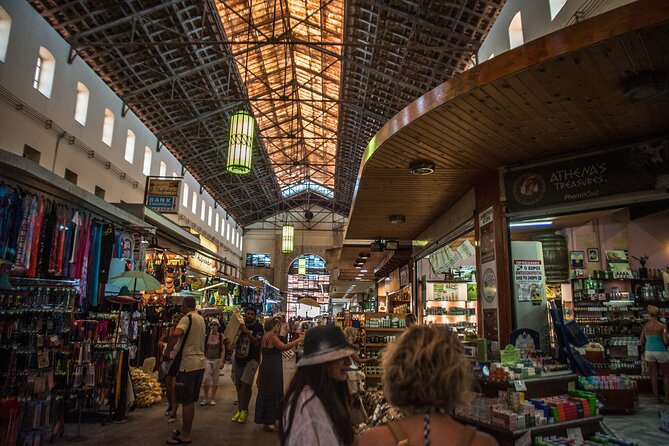
- Dimotiki Agora: the smartest start for Chania food
- Old Town lanes, Ottoman and Venetian layers, and craftsmen you can talk to
- Old Venetian Harbor: where the mezedes stop turns the walk into lunch
- Splantzia: the side of Chania that feels less like a highlight reel
- What you actually eat and drink on this 4-hour loop
- Meeting makers, not just buying from them
- Guides, pace, and how a small group changes the experience
- Practical tips before you go
- Value check: why this costs more than a generic walking tour
- Should you book Chania Food Stories?
- FAQ
- How long is the Chania Food Stories half-day tour?
- What time does the tour start?
- Where do I meet the guide?
- Is lunch included?
- What tastings and drinks are included?
- Are vegetarians welcome?
- Do they handle food allergies?
- Is pickup from my hotel included?
- What if the weather is bad?
Key points that make this Chania food tour worth your time
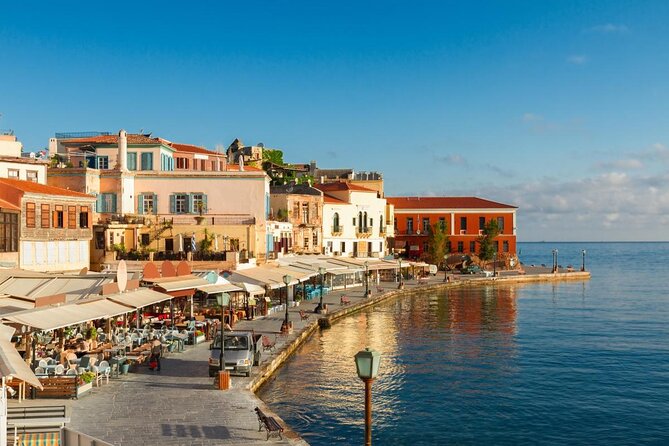
- Municipal Market kickoff: You begin at Dimotiki Agora, a 1913 market that marks the line between old and new Chania, with 70-plus family-run stalls.
- Old Town without the museum mood: You walk through Venetian and Ottoman monuments, plus Old Jewish and Ottoman neighborhoods, with stories along the way.
- Real Cretan tastings, not token bites: Coffee and sweets, olive and honey products, cheese-style samples, and mezedes with drinks at the harbor area.
- Splantzia adds a local angle: The Splantzia neighborhood is described as a side of Chania locals know well, with extra tapas and wine.
- Small group energy: The tour lists a maximum of 6 travelers, which usually means easier questions and less waiting.
- Food tied to everyday life: You meet makers and shop owners selling Cretan-only products, and you may even visit a traditional knife workshop.
Dimotiki Agora: the smartest start for Chania food
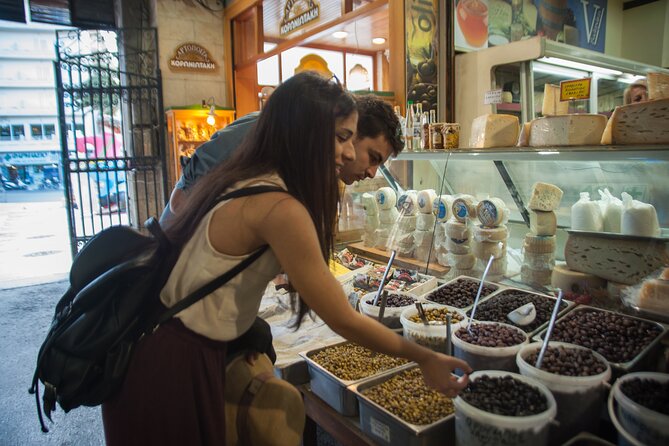
Most food tours start with a vague meet-and-greet. This one starts where Chania’s daily life happens: Dimotiki Agora, the Municipal Market.
Why it works so well for you: market tastings put names and stories onto what you see later in Old Town. You get to smell and taste before you walk. That ordering matters, because Chania’s food culture is tightly linked to what the island grows, keeps, and trades.
The market has been operating since 1913, the year of Crete’s unification with Greece. That’s not just trivia. Your guide can use that date to explain why Chania feels like a mix of old layers under newer rhythms. You’ll also see the kind of business model the island still runs on, family-owned shops with local groceries and products.
And yes, you’ll taste early. Expect local sweets and Greek coffee to kick things off, plus samples like olives, honey, and olive oil from family businesses. If you’re the type who wants to know what makes Cretan diet choices work, this opening gives you context fast.
A quick consideration: markets can be busy and sometimes warm. If you’re sensitive to heat, bring water and pace yourself for the first stretch.
Other ways to spend the day near Crete
- Chania: Old Town Highlights Guided Tour with Street Food
★ 4.9 · 407 reviews - Crete: Full-Day Cretan Wines, Olive Oil, Raki and Food Tour
★ 5.0 · 264 reviews - Heraklion: Food Tastings Walking Tour
★ 5.0 · 136 reviews
Old Town lanes, Ottoman and Venetian layers, and craftsmen you can talk to
After the market, the tour moves into the Old Town maze. This is where you get the walking part of the deal, and it’s also where Chania’s history becomes practical.
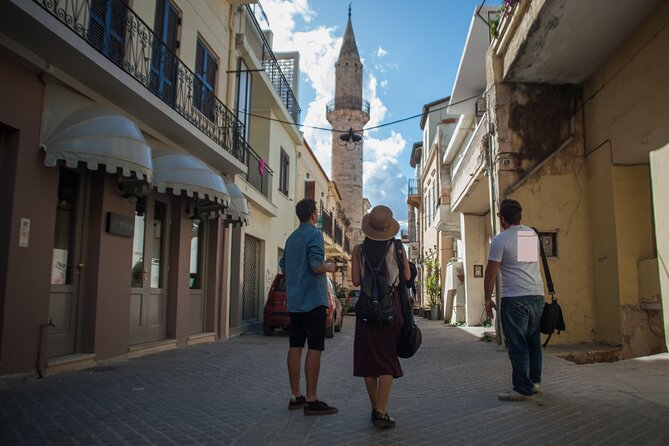
You’ll pass Venetian and Ottoman monuments, plus narrow lanes and back streets. The route is designed to help you spot things you might miss if you’re doing it alone, like the presence of doors that lead to secret gardens and the way different communities shaped the city over centuries.
What you’ll hear about is the human side of history: kings, sailors, merchants, and artists. That framing matters because it stops the tour from turning into a list of facades. You start understanding why certain neighborhoods exist and why trade and travel mattered here.
This section also includes a chance to see local craftsmen producing handmade products. Depending on the shop, you might even get a small chance to try something yourself. For me, those moments were more memorable than another photo stop, because you learn how local skills survive in a tourist-heavy city.
One extra thing to note: the tour description highlights Old Jewish and Ottoman neighborhoods. One past guest reported the Jewish quarter visit felt different than expected. If that neighborhood is a must for you, ask your guide on the day which specific areas you’ll cover, so you don’t leave with an empty spot in your mental map.
Old Venetian Harbor: where the mezedes stop turns the walk into lunch
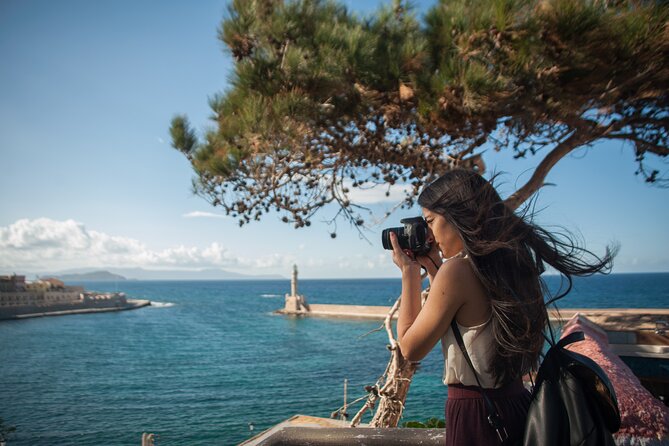
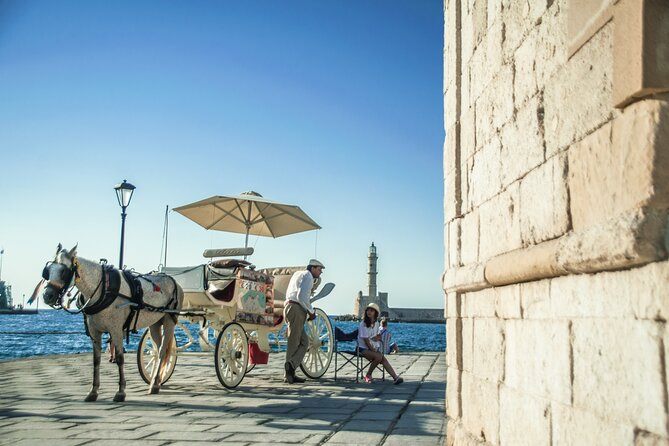
Eventually, you reach the harbor promenade. This is a good shift in energy. The Old Venetian Harbor area is the kind of setting where you want to slow down, not just keep moving.
The tour’s “reward” stop here is a sit-down for Cretan mezedes, paired with drinks like raki. Mezedes are local tapas in concept, but in practice they’re about variety: small plates that let you taste several parts of the Cretan table without committing to one heavy dish.
Why this is valuable for you: if you only visit Chania’s restaurants later, you’ll still remember the flavors from this first tasting. That makes it easier to order with confidence, instead of pointing at a menu and guessing.
The tone at this point in the tour also seems to be a big factor in satisfaction. People describe a quiet courtyard-style lunch moment as a highlight, especially after hours of walking in heat. If you want that relaxed pause, bring patience and comfy shoes for the route leading in.
A practical note: this stop can be a real test on very hot days. One guest specifically said the day was hot and emphasized having water. So do yourself a favor and plan for the afternoon sun, even if the tour is only half a day.
Splantzia: the side of Chania that feels less like a highlight reel
After the harbor, you go to Splantzia, described as one of Chania’s unique neighborhoods. The tour places it south of the eastern part of the Old Venetian Harbour.
Splantzia is framed as a “hidden treasure” side of town, known mainly to locals and well-informed visitors. That matters because Chania can feel well-marked in the center, while neighborhoods a few turns away tell a more everyday story.
Here, you sample local tapas and wine. This is another tasting-led stop, so you keep connecting what you’re eating to what you’re seeing. By this point, you’ve already learned what products matter on Crete, so these tapas feel less random.
For you, the benefit is simple: you get to taste more Cretan variety and end the day with a sense of where locals go, not just where tourists gather.
A short hop away, these too:
- Crete: Day Trip to Agios Nikolaos and Spinalonga Island
★ 4.6 · 4,416 reviews - Agios Nikolaos: Boat Trip to Spinalonga with Swim Stop
★ 4.4 · 3,031 reviews - Crete: Knossos Palace Entry Ticket with Optional Audio Guide
★ 3.9 · 2,251 reviews - From Chania: Day Trip to Elafonisi Island Pink Sand Beach
★ 4.5 · 2,014 reviews
What you actually eat and drink on this 4-hour loop
This tour is priced like a food experience because it includes multiple parts of the Cretan table, not just a few appetizers. Based on the tour details, you can expect:
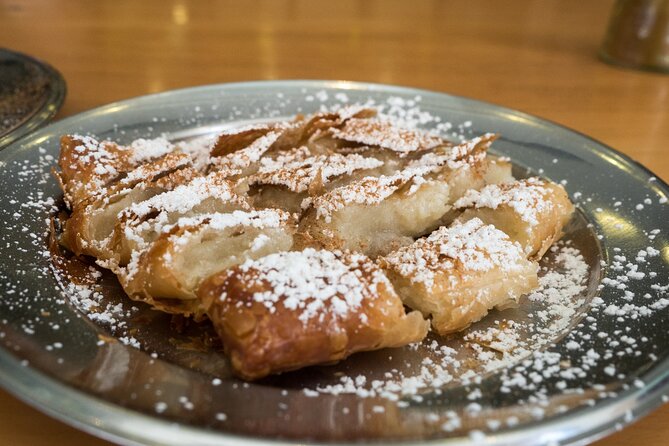
- Greek coffee with local sweets
- Samples from family-owned shops, including olives, honey, and olive oil
- Mezedes (local tapas) and raki
- Alcoholic beverages plus tea and coffee, depending on the stop
- Lunch included as part of the later seating time
From guide-led tastings, I’d treat it as a “try the island’s basics in a structured way” plan. If you’re a foodie, you’ll appreciate that you’re not just eating one thing repeatedly. If you’re a first-time visitor, it’s a gentle introduction because the tastings happen alongside context.
One consideration: alcohol is included as part of the experience. If you don’t drink, you might still enjoy everything else, but you should tell the operator in advance so your guide can adjust the tastings where possible.
Meeting makers, not just buying from them
One reason this tour feels authentic is that it’s not only about storefronts. You get to meet the people behind the food.
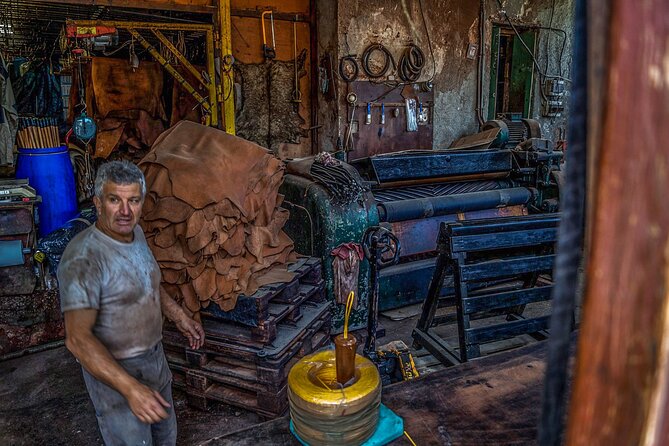
The tour highlights encounters with local shop roles such as greengrocer, cheesemonger, butcher, and fishmonger, plus other family-owned businesses selling Cretan-only products. You also may visit one of the last remaining Chania workshops linked to traditional handmade Cretan knives, and you’ll hear the knife maker’s stories.
Even if you’re not shopping for a knife, the value is in the craft storytelling. It gives you a way to understand why Crete keeps traditions alive. When you taste olive oil and honey, you’re tasting the result of long-running food habits. When you see a craft workshop, you understand how those habits are supported by real people.
This is also where you’ll likely get the best practical advice. The tour includes personalized tips for the area’s best bars and eateries, which is exactly what you want right after a walking introduction, when your decisions for the rest of your trip are still wide open.
Guides, pace, and how a small group changes the experience
The tour is offered as English-speaking guiding, and it’s described as a small group experience with a maximum of 6 travelers. That size tends to make a difference in questions and in how the guide handles pace.
You’ll also see names pop up in feedback, including Ioannis Stavridis, Adonis, Andonis, Manos, Elena, George, Jannis, Yiannis, and Cristina. While you can’t predict which person will guide you on your date, it’s a sign that the program leans on guide personality and storytelling, not just scripted logistics.
In practice, the tour is usually described as easy paced. That matters on a walking route that includes old lanes and historic areas where you might want time to look closely.
One real-world caution: one past guest reported their group felt larger than expected. So if you hate crowds, keep your expectations realistic. The max size is small on paper, but if you’re booking close to cruise schedules, group size can shift.
Still, the feel remains focused. You’re not sprinting to check boxes, and you’re not spending the day stuck behind someone slowing the whole line down.
Practical tips before you go
A food tour works best when you show up ready. Here’s what I’d do with this exact Chania format.
Wear shoes you trust. Old Town lanes can be uneven and crowded in patches. Your feet will thank you before the harbor seating.
Bring water and a light layer. Heat comes up in real feedback. Even if the tour is only about 4 hours, you’ll be outside for most of it.
Eat light beforehand, but don’t skip breakfast. Tastings plus lunch can be filling. If you arrive starving, you’ll feel rushed during explanations. If you skip food entirely, you may feel too full from early sweets and coffee.
Tell them about allergies at booking. The tour says they’ll figure it out unless you suffer from multiple, combined food allergies or you’re vegan. Vegetarians are welcome on all tours. If allergies are part of your life, confirm details when you book and again close to departure, so your guide has time to adjust.
If the Jewish quarter is important, ask on the day. The tour highlights Old Jewish and Ottoman neighborhoods, but a guest reported a different emphasis than expected. Ask your guide what exact areas you’ll cover before you settle in.
Value check: why this costs more than a generic walking tour
At $117.31 per person for about 4 hours, this is not a budget walking deal. But you are not paying only for footsteps.
You’re paying for:
- Multiple structured tastings (coffee and sweets, olives/honey/olive oil, more food samples)
- A sit-down mezedes lunch moment with drinks
- A local, English-speaking guide focused on history and food culture
- Practical recommendations for where to eat after the tour
- A tour design that routes you through major Old Town highlights plus a neighborhood like Splantzia
If you were to build this day yourself, you’d still spend money on tastings, and you’d still need a guide to translate what you’re seeing. The smart way to think about the price is this: you’re buying a guided “starter kit” for Chania cuisine, plus a short list of where to go next.
For first-time visitors and foodies, that value usually clicks fast.
Should you book Chania Food Stories?
Book it if you want a smooth start in Chania with food tastings tied to places. It’s especially good for first-time visitors who feel overwhelmed by Old Town streets and want a confident walking path with context.
Skip it or reconsider if:
- You struggle with walking on uneven old streets
- You have complex multiple food allergies and want extra assurance that every stop can be adjusted
- You dislike tours where alcohol is part of the included experience
If you like eating your way through a city while learning why the food matters, this is one of the most practical ways to spend half a day in Chania.
FAQ
How long is the Chania Food Stories half-day tour?
It runs for about 4 hours.
What time does the tour start?
The start time listed is 9:30 am.
Where do I meet the guide?
The meeting point is Kydon, The Heart City Hotel at Platia Sof. Venizelou, and Staratigoy Tzanakaki 2, Chania 731 34, Greece.
Is lunch included?
Yes. The tour includes lunch along with snacks and drinks.
What tastings and drinks are included?
You get Greek coffee with local sweets, tastings of local products like olives, honey, and olive oil, plus mezedes, raki, tea, and alcoholic beverages.
Are vegetarians welcome?
Yes. Vegetarians are welcome on all tours.
Do they handle food allergies?
They say they will figure it out unless you have multiple, combined food allergies, or unless you are vegan. If you have allergies, plan to communicate them clearly during booking.
Is pickup from my hotel included?
Pickup is offered for the private tour option. The small group tour option excludes hotel pickup.
What if the weather is bad?
This experience requires good weather. If it’s canceled due to poor weather, you’ll be offered a different date or a full refund.
Freshly listed near Crete
- Sailing trip to the Top Coasts of Crete, Daily/Multi-day★ 5.0 · 221 reviews
- PRIVATE-Knossos Palace-Zeus Cave-Olive Oil Tasting-Old Villages★ 5.0 · 81 reviews
- Knossos & lasithi plateau villages,Zeus’s cave,&olive oil Mill★ 5.0 · 90 reviews
- Semi-Private Wine Discovery Tour in Chania★ 5.0 · 73 reviews
- Wine Tasting Walking Tour in Old Town Chania★ 5.0 · 20 reviews
- Cretan Wines & Olive oil tour – The treasures of Crete★ 5.0 · 147 reviews
- West Crete Tour from Heraklion: Rethymno-Chania-Kurnas★ 4.0 · 116 reviews
- Experience Scuba Diving in Heraklion Crete★ 5.0 · 80 reviews
Half-Day, compared.
Cape Sounion & Poseidon Temple Sunset Half-Day Trip
Read our review →
Cape Sounion and Temple of Poseidon Half-Day Small-Group Tour from Athens
Read our review →
Half-Day Exclusive Catamaran Cruise in Santorini with Meal and Open Bar
Read our review →
Athens Half-Day Sightseeing Tour with Tickets of Acropolis
Read our review →
Temple of Poseidon & Cape Sounion Half-Day Tour
Read our review →
Half-Day Cooking Class at Basiliko Family Tavern
Read our review →
Browse the lists this tour appears in