Reviewed · GUIDED
Athens: the Great Greek Philosophers Guided Tour in Spanish
Athens turns philosophy into street-level drama, not textbook talk. This guided walk links ideas to places, so the city starts sounding like a living conversation. You’ll cover major stops like the statue of Platon and the settings tied to Socrates’ prison, with a Spanish-speaking guide who keeps the story moving.
Two things I really like are the pacing and the way the tour asks you to think, not just look. You get a 150-minute route built around big turning points, from the civic debate spaces to darker lessons about what it can cost to be wise.
One thing to consider: this is a walking tour. If you’re short on stamina, you’ll want to bring comfortable shoes and a bottle of water, because the experience is meant to be done on foot through central Athens.
In This Review
- Key highlights worth planning for
- How this Athens philosophers tour turns streets into arguments
- Starting at the statue of Platon, and what that does for your focus
- From the Greek agora feel to the hill of Pnyx
- Aeropagus: where the city’s judgment becomes part of the lesson
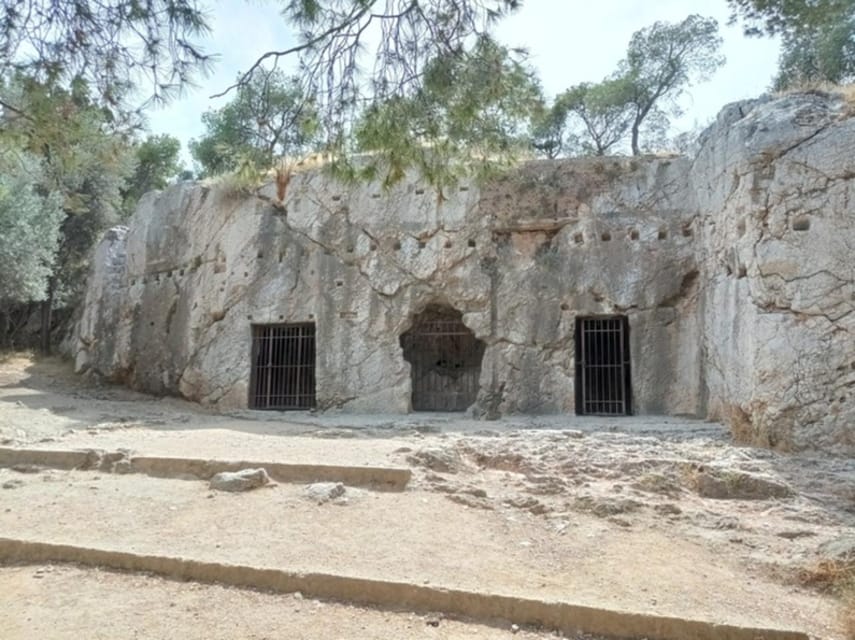
- Socrates’ prison stop: why wisdom can come with a price
- Hidden corners and “magic of Athens” in a guided story
- Spanish live guide: clearer ideas, better flow
- What the 150-minute timing really means for you
- Price and value at around $34 per person
- Who should book this Athens Great Greek Philosophers tour in Spanish
- Quick tips to make the most of your walk
- Should you book it?
Key highlights worth planning for
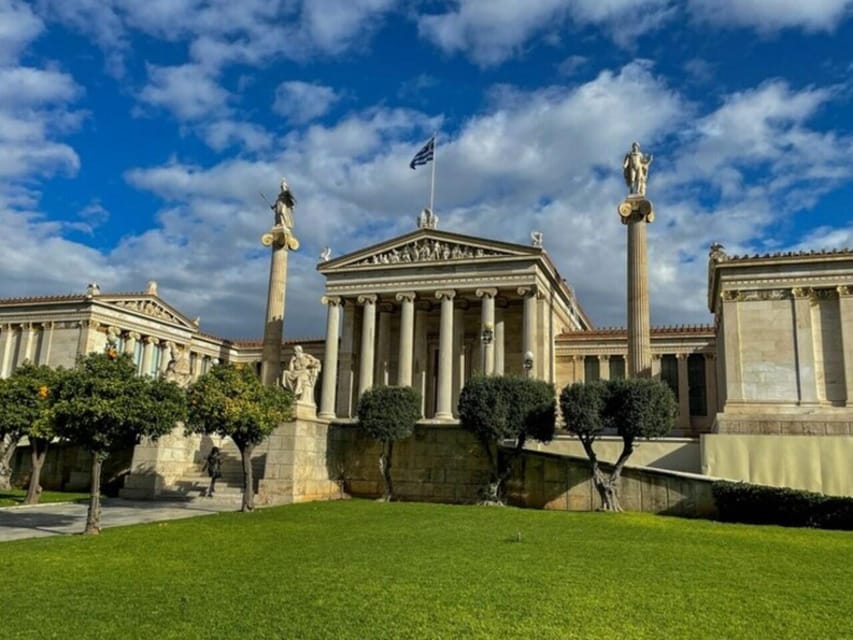
- Statue of Platon as the start, so the themes click fast
- Aeropagus as a civic crossroads for ideas about justice and the city
- Socrates prison stop that reframes philosophy as real risk
- Agora to Pnyx framing, so you understand where public thinking happened
- Spanish live guide, with Q&A and discussion encouraged throughout
How this Athens philosophers tour turns streets into arguments
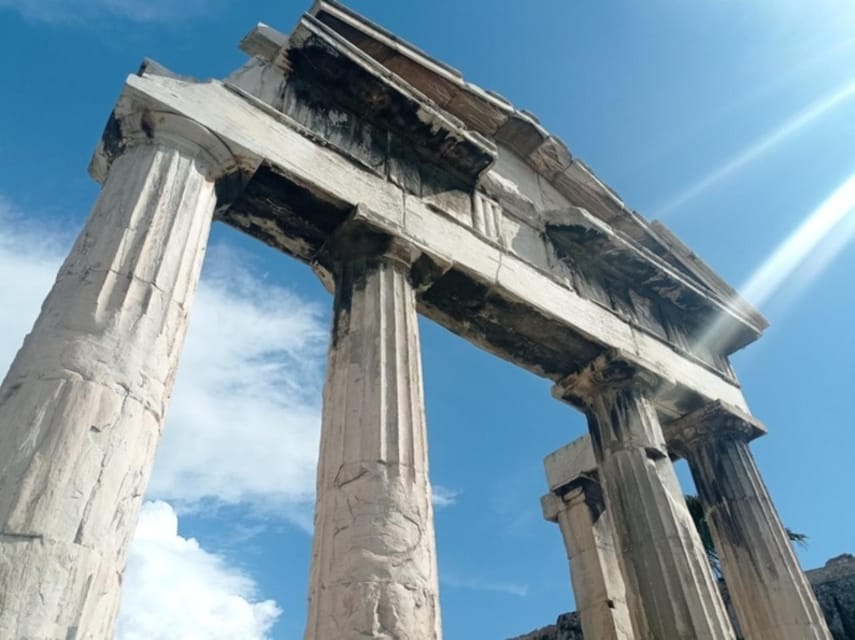
If you’ve ever tried to read about Greek philosophy and felt like it belonged in a classroom, this is the fix. The tour is designed around a simple idea: in ancient Athens, arguments were public. People debated in real spaces. They took positions in front of real neighbors. And sometimes, those positions got people hurt.
You’ll walk through a chain of meaningful spots, guided by an official tour guide who connects each place to the philosophers associated with it. The result is that you start to “see” the subject matter. Not as a list of names, but as a set of questions that shaped daily life.
And the best part is the angle the tour keeps returning to. It’s not only about what philosophers thought. It’s about what happens when thought collides with society. The route uses stories about thinkers like Socrates, and it leans into the tension between being wise and paying a price for it. That theme shows up again and again as you move around central Athens.
Other ways to spend the day near Athens
- Athens: Acropolis & up to 5 Archaeological Sites Combo Pass
★ 4.2 · 13,904 reviews - Athens: Acropolis, Parthenon & Acropolis Museum Guided Tour
★ 4.8 · 9,316 reviews - The Acropolis, Parthenon & Acropolis Museum Guided Tour
★ 4.7 · 8,493 reviews
Starting at the statue of Platon, and what that does for your focus
The meeting point is right in front of the Statue of Plato, and you meet there about 10 minutes before the tour starts. That might sound small, but it’s useful. You start with a clear anchor: Plato is not treated like a random big name. He is the gateway into the whole story of philosophy’s birth and its major personalities.
From that first moment, the guide’s job is basically to set your mental map. You’re not just sightseeing. You’re being taught how to look at Athens as a stage where ideas were performed. In practice, this means you’ll hear how the places connect to society in the ancient world, and why those same spaces matter when you walk through them today.
If you like tours that move from place to meaning, you’ll feel the payoff early. If you prefer pure museum-style storytelling with no discussion, you may need to adjust your expectations. Still, the tour style is designed to get you thinking while you walk.
Practical note: this meeting setup also makes it easier to arrive, check in, and get started without wandering around trying to find the group.
From the Greek agora feel to the hill of Pnyx
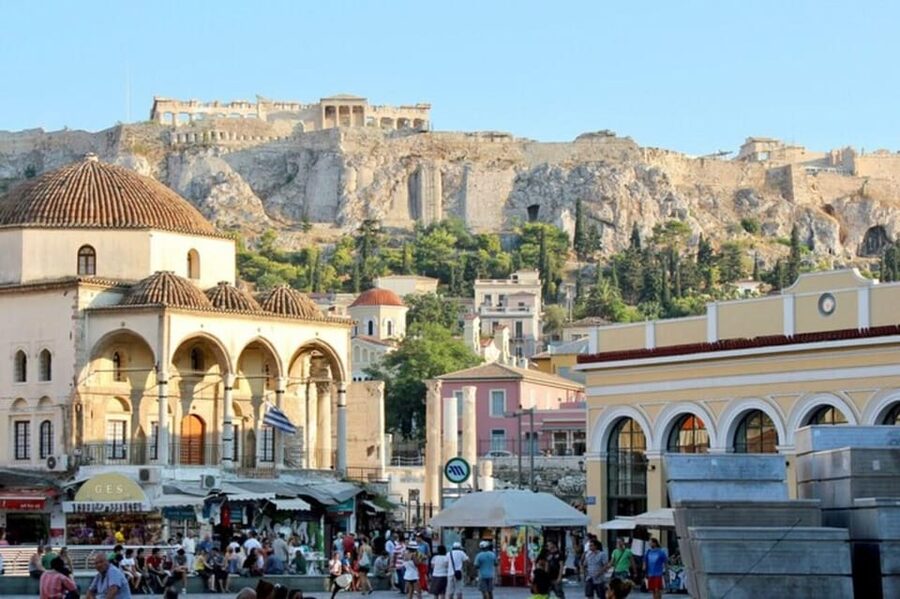
One of the tour’s stated framing points is moving “from the Greek agora to the hill of Pnyx.” Even without extra explanation, that sweep tells you what the guide is going to do: connect public life to philosophy.
In your head, you’ll start treating Athens like a system. The agora represents everyday civic space, where people gathered, talked, and argued. Then the Pnyx hill represents a higher, more political stage where speech becomes authority. When your guide links philosophers to those environments, you’ll understand why philosophy wasn’t only abstract. It was part of how the city worked.
What makes this framing valuable is that it gives you context fast. Instead of learning a bunch of theories in isolation, you see how debates needed platforms. You also understand why some thinkers became symbols. They weren’t floating philosophers. They were people responding to pressures in their community.
A small caution: if you’re hoping for a totally step-by-step “script” of one philosopher from beginning to end, this won’t be that. It’s more of a guided story through spaces, with philosophical themes attached.
Aeropagus: where the city’s judgment becomes part of the lesson
The tour highlights include Aeropagus, and that stop is more than a photo stop. Aeropagus has a strong association with civic judgment and the way Athens handled serious matters. As you’re walking there, the tour connects the idea of discipline, law, and moral argument to what the philosophers were dealing with.
This is where the tour’s tone often turns from “cool history” to “real-life stakes.” The guide’s interpretation tends to remind you that ethics and reasoning were not hobbies. They affected who got heard, who was respected, and who faced consequences.
If you’re the type who likes questions more than memorizing dates, you’ll likely enjoy this stop. Several guide styles in similar tours focus on delivering facts. Here, the format is built to push you toward bigger ideas about belief, morals, and how people reason under pressure.
Also, Aeropagus is a great place to practice using the city as a reference. If the streets around you feel confusing at first, the stop helps you build a sense of direction and meaning. Athens is big and layered. A clear thematic stop can keep you grounded.
A short hop away, these too:
- Athens: Cape Sounion & Poseidon Temple Sunset Half-Day Trip
★ 4.8 · 8,241 reviews - Acropolis: Premium Acropolis and Parthenon Guided Tour
★ 4.8 · 5,208 reviews - Athens: Mythology of Delphi, Museum and Arachova Guided Tour
★ 4.7 · 5,102 reviews - All Day Cruise -3 Islands to Agistri,Moni, Aegina with lunch and drinks included
★ 5.0 · 4,958 reviews
Socrates’ prison stop: why wisdom can come with a price
The most intense highlight is Socrates prison. Even if you already know the outline of Socrates’ story, this stop works best if you let it change how you think about philosophy.
Instead of treating Socrates like a heroic statue, the tour frames him as a person taking a moral stance inside a society that had rules and limits. The idea that being wise can cost you comes through clearly in the way the tour connects stories to the symbolism of place.
This is also a good moment for the kind of questions the guide tends to encourage. You can expect conversation-style prompts, not just a lecture. People often enjoy this part because it forces you to consider your own assumptions. Do you value reason even when it makes people uncomfortable? Do you ask questions when answers could put you at risk?
A practical consideration: because this stop leans emotional and reflective, you’ll want to be present. If you’re the kind of person who rushes through sights, the message may pass you by. Slow down, listen, and let the story land.
Hidden corners and “magic of Athens” in a guided story
The tour isn’t only about the headline sites. The way the guide delivers the walk, you often end up seeing parts of the city center that don’t dominate most standard sightseeing itineraries.
In the feedback people gave about this experience, a repeat theme is that the guide shares hidden-feeling spots, asks thought-provoking questions, and keeps the discussion lively. That matters because it changes what you take home. You don’t just leave with three names and a couple of viewpoints. You leave with a mental habit: reading Athens for meaning.
Another strong praise point is how the guide adapts to the group. If you’re a complete beginner, you get explanations that make concepts understandable in plain language. If you already know a bit, the guide can connect dots and go deeper on the philosophical side, without turning it into a dry seminar.
And yes, humor and warmth show up in the guide style described. That’s not fluff. It makes it easier to stay engaged during a 150-minute walk, especially when you’re listening to big, sometimes heavy ideas.
Spanish live guide: clearer ideas, better flow
This tour is in Spanish, and it’s a live tour guide format. That’s important because philosophy needs translation beyond vocabulary. You need tone. You need examples. You need the guide to connect the logic in a way that feels natural.
When the guide explains concepts, the aim is to keep them understandable while walking. People often mention that ideas land better when the guide uses everyday comparisons and asks the group questions. That keeps attention from drifting and helps you connect philosopher names to actual themes like justice, virtue, discipline, and moral reasoning.
If you’re traveling with mixed language comfort, keep this in mind. You’ll get the full experience only if you can follow Spanish conversation.
Still, if Spanish is your strength, this is a great chance to enjoy Athens without switching to English. It can feel more immersive than you’d expect, simply because you’re hearing the story told in the language you think in.
What the 150-minute timing really means for you
A 150-minute duration is long enough to build a storyline, but short enough to stay human. You’re not stuck for an entire half-day. You also aren’t cramming it into a quick overview where everything blurs together.
For planning, treat it like a mid-morning or afternoon anchor activity. It’s the kind of walk that improves the rest of your Athens time. Once you understand the civic and philosophical frame the guide gives, other places around the center make more sense.
Also, this tour’s structure helps you avoid decision fatigue. You don’t have to pick which philosophical sites matter most. The guide does that. The selected highlights are the ones you remember because they tie directly into the major themes.
The only drawback is the walking itself. You’re moving through central Athens, so you’ll want to pace yourself and follow the simple advice: bring water and wear comfortable shoes.
Price and value at around $34 per person
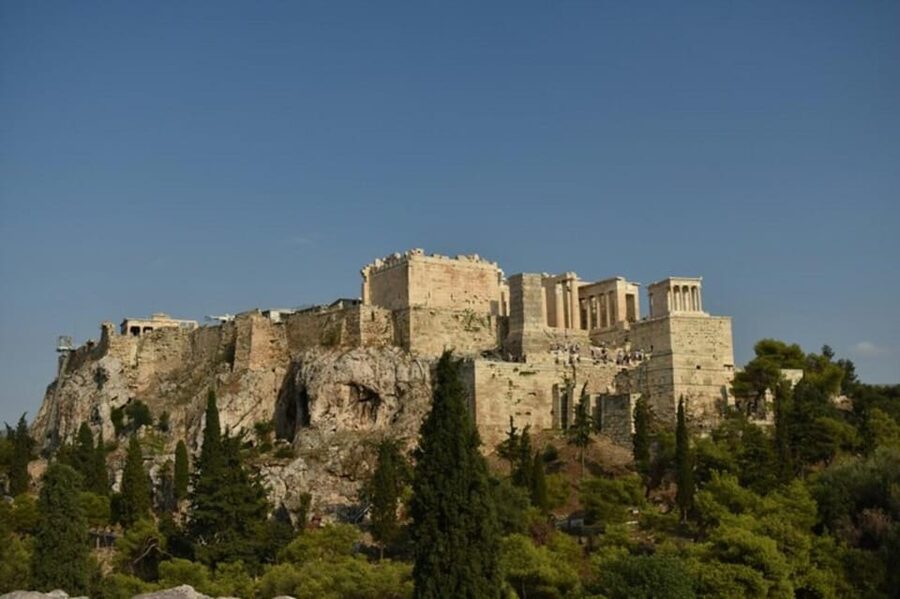
At $34 per person, the value comes from the combination of time, guide-led storytelling, and focused stops. Two hours and a half is enough for a real guided narrative, not just a quick meet-and-greet plus photos.
You also get an official tour guide included in the price. That matters because the cost isn’t mainly paying for “access.” It’s paying for a live person to connect the places and ideas in a way that’s hard to replicate from signage.
What’s not included is straightforward: food and drinks and personal expenses (gastos personales). That means you should plan to pair the tour with a nearby meal, rather than expecting snacks during the walk.
How to judge if it’s a good fit for your budget: if you want a tour that turns Athens into an argument about how society and morality work, this is a fair spend. If you only want broad sightseeing, you might feel the themes are too focused.
Who should book this Athens Great Greek Philosophers tour in Spanish
I’d point you toward this tour if you like city walking tours that come with a story engine. You’ll probably enjoy it if you:
- Want philosophy explained through real locations like the Aeropagus area and the Socrates prison connection
- Enjoy discussion, questions, and thinking out loud while sightseeing
- Prefer a Spanish-language experience with a live guide
It may be less satisfying if you:
- Want a purely visual, “look only” itinerary with minimal talk
- Struggle with walking for extended stretches
- Need a tour designed for very specific mobility needs, since comfortable shoes and water are explicitly recommended
Quick tips to make the most of your walk
- Start on time at the Statue of Plato meeting point, then you’ll get the full flow of the story.
- Bring water. A 150-minute walk adds up in warm weather.
- Wear shoes you can trust. This tour lives and dies on comfort.
- If a question pops into your head, ask it. The guide style described suggests the tour benefits from interaction.
- Keep an open mind about tone. Philosophy here is not only ideas, it’s consequences.
Should you book it?
I think this is a strong pick if you want Athens to feel like a thinking city, not just a collection of ancient stones. The price is reasonable for a guide-led 150-minute experience, and the highlights you’ll hit are tied to the core drama of Greek philosophy: public debate, moral discipline, and the cost of asking uncomfortable questions.
If you’re even a little curious about Socrates and the civic spaces of Athens, this tour can help you connect the dots fast. Book it if you enjoy conversation-style history, and if you’re ready to walk with purpose. Skip it only if you want minimal talking or you know you will hate walking for this length of time.
Freshly listed near Athens
- Private Guided Tour: Athens, Acropolis and Acropolis Museum★ 4.9 · 62 reviews
- Private Athens Tour with a Local- Highlights & Hidden Gems★ 4.9 · 64 reviews
- Athens: Private Acropolis Tour with focus on Kids & Families★ 4.8 · 51 reviews
- Piraeus Port: Acropolis Museum and Parthenon Mythology Tour★ 3.7 · 29 reviews
- Poros Island: Full Day Trip From Athens with Swimming★ 4.8 · 33 reviews
- Athens: Ouzo Tasting at Brettos Plaka★ 4.3 · 32 reviews
- Athens Old Town: Greek Olive Oil & Herbs Tasting★ 4.2 · 41 reviews
- No Diet Club – Unique local Food Tour in Athens!★ 4.9 · 38 reviews
Guided, compared.

Acropolis Ticket with Optional Audio or Live Guide
Read our review →
Acropolis, Parthenon & Acropolis Museum Guided Tour
Read our review →
Acropolis: Premium Acropolis and Parthenon Guided Tour
Read our review →
Mythology of Delphi, Museum and Arachova Guided Tour
Read our review →

Cape Sounio & Poseidon Temple Trip with Audio Guide
Read our review →