
Reviewed · COOKING CLASSES
Athens: Greek Cooking Class with Meal and Drinks
Greek cooking, vegan style, in the middle of Athens. In Koukaki near the Acropolis, SOYBIRD’s small-group class has you cooking classics step by step, tasting as you go, and ending with a big shared meal. I especially like the hands-on teamwork setup and the chance to learn standouts like almond-based feta and moussaka with cashew béchamel. One thing to consider, if you are expecting dairy or meat, this experience is fully vegan and swaps traditional ingredients on purpose.
The modern Soybird Studio keeps things relaxed and practical, not like a performance you watch from the sidelines. You will work in two groups, cook multiple dishes from scratch, then sit down together to eat everything you made. Plan for a full 3.5 hours of active chopping, rolling, mixing, and tasting.
After the meal, you get an English digital recipe book, so the class does not end when you step outside. If you are short on time in Athens, this is still a good use of it because you leave with both new flavors and repeatable instructions.
In This Review
- Key moments that make this Athens class worth your time
- Why a vegan Greek cooking class in Koukaki is a smart Athens move
- A quick heads-up on the vegan angle
- Soybird Studio setup, where the class flows
- What you will actually do (and why it helps)
- The menu: what you will make, and what to look for
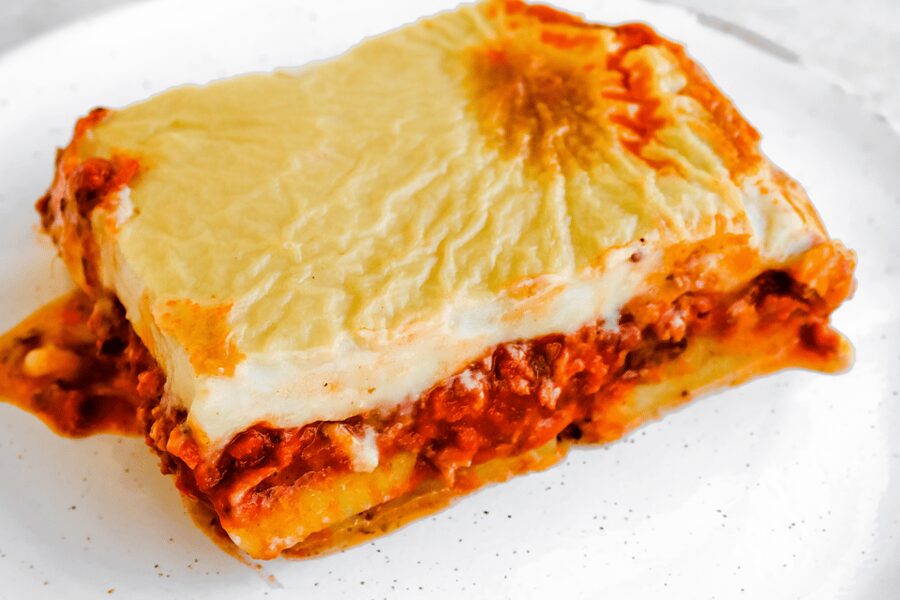
- Moussaka with cashew béchamel: comfort food, re-engineered
- Tzatziki and the cucumber-yogurt idea
- Spanakopita: rolling and layering for that flaky bite
- Fava: the yellow hummus that changes expectations
- Almond feta: the headline ingredient to try
- Dakos and Greek bread-based eating
- Koulouri and ekmek: the Athens street-food and dessert side
- Drinks and the shared buffet meal, where the social part happens
- What makes the meal format practical
- Price and value: what $93 really buys you
- Who tends to get the most out of this class
- Practical tips so your 3.5 hours feel smooth
- Show up ready to work
- Plan your Athens day around the class
- How to get there without stress
- Expect English instruction with flexible help
- Should you book the Athens Greek Cooking Class with Meal and Drinks?
- FAQ
- How long is the cooking class in Athens?
- How many people are in the group?
- Where is the cooking class located?
- What should I do to find the meeting point?
- What languages are used during the class?
- What is included in the price?
- What dishes are included in the menu?
- Is the class suitable for children?
Key moments that make this Athens class worth your time
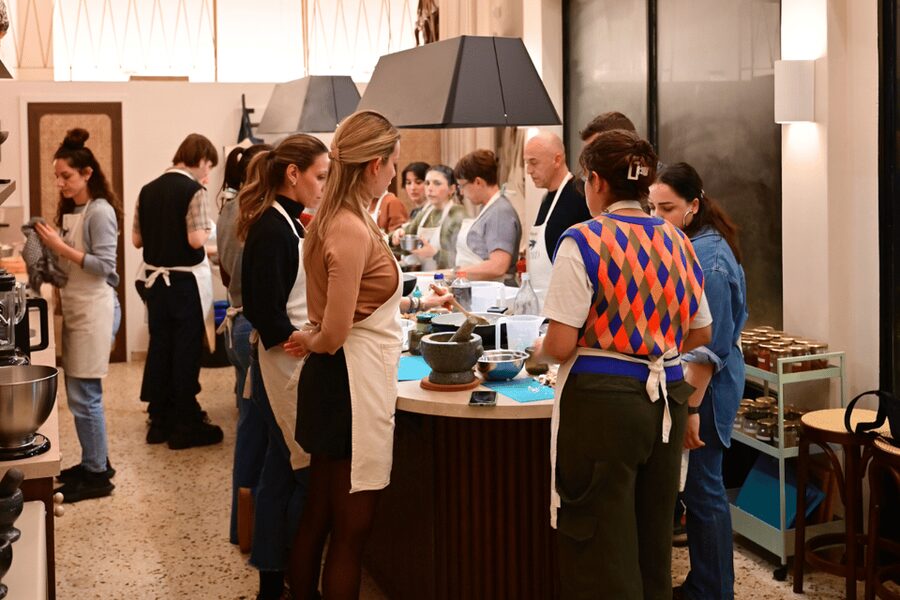
- Team-based cooking: you and your group cook dishes in parallel, then share the final buffet.
- Almond feta: a plant-based version that keeps the vibe of Greek table cheese.
- Cashew béchamel in moussaka: a creamy, dairy-free approach to a classic comfort dish.
- Spanakopita with filo work: you may even get to practice rolling pastry techniques.
- Drinks with the meal: water plus wine or beer, and ouzo is listed as included.
Why a vegan Greek cooking class in Koukaki is a smart Athens move
Athens can feel like a buffet of history stops, but food is where the city becomes personal. This class is designed for that, with a menu that feels distinctly Greek while staying plant-based. You are not eating a vegan adaptation of random dishes. You are learning how Greek home cooking can be built around vegetables, herbs, legumes, and smart swaps.
What I like most is that you are not just tasting. You are doing the work that makes the flavors happen. Greek food is all about balance: acid and salt, herbs and olive oil, pastry and filling, creamy textures next to something fresh and crunchy. In this setting, you get to feel that balance while you cook.
The second big strength is the small-group format. The cap is 12 to 14 people, and the class runs with teams so everyone has tasks. That matters because cooking classes can fall into two extremes: either everyone stands around, or it becomes chaotic. Here, you should get a real role, even if you are a first-timer.
More cooking classes around Athens:
- Athens: Classic Cooking Class with Market Visit and Wine
★ 5.0 · 1,101 reviews - Athens: Food Market Visit and Cooking Class with Wine
★ 4.9 · 1,087 reviews - Greek Cooking Class in Athens Including Rooftop Dinner with Acropolis View
★ 5.0 · 826 reviews
A quick heads-up on the vegan angle
This is fully vegan. In the best-case scenario, it broadens your Greek cooking instincts and teaches you new textures without relying on dairy. If you want classic meat-and-dairy Greek comfort exactly as written in tradition, you may find it a deliberate shift. Still, the dishes listed in the class are not filler. They are the kind of comfort food people seek in Greece.
Soybird Studio setup, where the class flows
The cooking space is the ground floor of the Soybird Studio, on the far right-hand side of the building. The meeting point instruction is simple: enter SOYBIRD in Google for directions, then look for the ground-floor entrance.
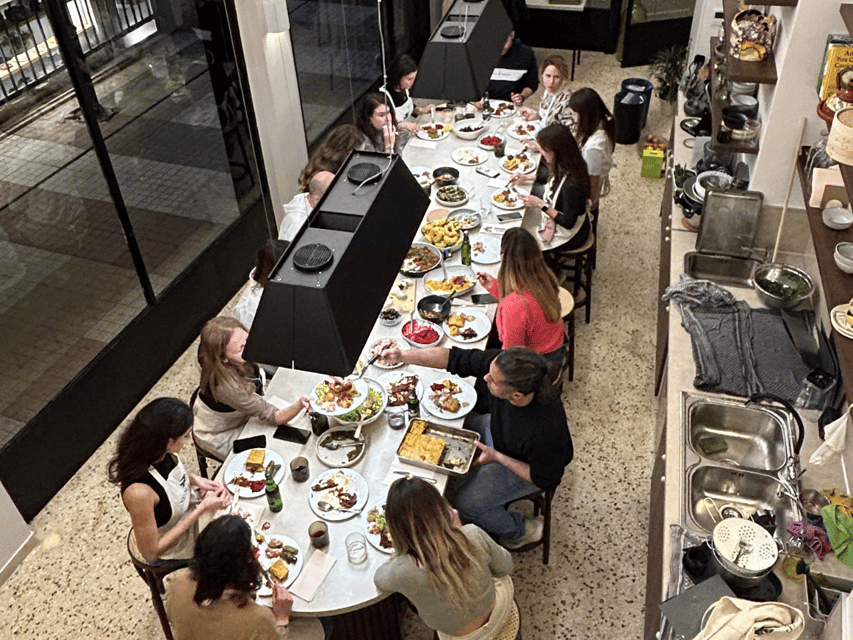
You meet briefly, get an intro, then work in two teams. Each team cooks through a set of dishes, and the final table brings everything together in a shared buffet. That structure is a practical choice. With only 3.5 hours, it would be tough to have everyone make every dish end to end. Team cooking solves that problem by keeping the pace moving while still giving you hands-on time.
What you will actually do (and why it helps)
This is not a sit-and-watch workshop. You are likely to:
- chop and prep vegetables for fillings and dips
- mix batter-style components
- roll or handle filo pastry for spanakopita and related baked items
- assemble layered dishes like moussaka
- portion and garnish dishes before the final meal
Even if you do not consider yourself a cook, the hosts are set up to guide you step by step. From the class descriptions and the way hosts are praised, the emphasis is on patience and clear guidance, so you are not stuck guessing.
Other ways to spend the day near Athens
- Greek Small-Group Athens Cooking Class & Dinner
★ 5.0 · 574 reviews - Athens: Greek Cooking Class & Dinner on a Rooftop
★ 5.0 · 383 reviews - Athens: Greek Cuisine Cooking Class and 3-Course Dinner
★ 4.8 · 270 reviews - Athens: Kerameikos Stone House Cooking Class
★ 5.0 · 165 reviews
The menu: what you will make, and what to look for
The class name is Greek cooking, but the real value is the variety of dishes. You are learning different Greek techniques, not just one style of food. The menu includes:
- Moussaka with cashew béchamel
- Tzatziki (yogurt cucumber dip)
- Spanakopita (spinach cake)
- Fava (yellow Greek hummus)
- Almond feta
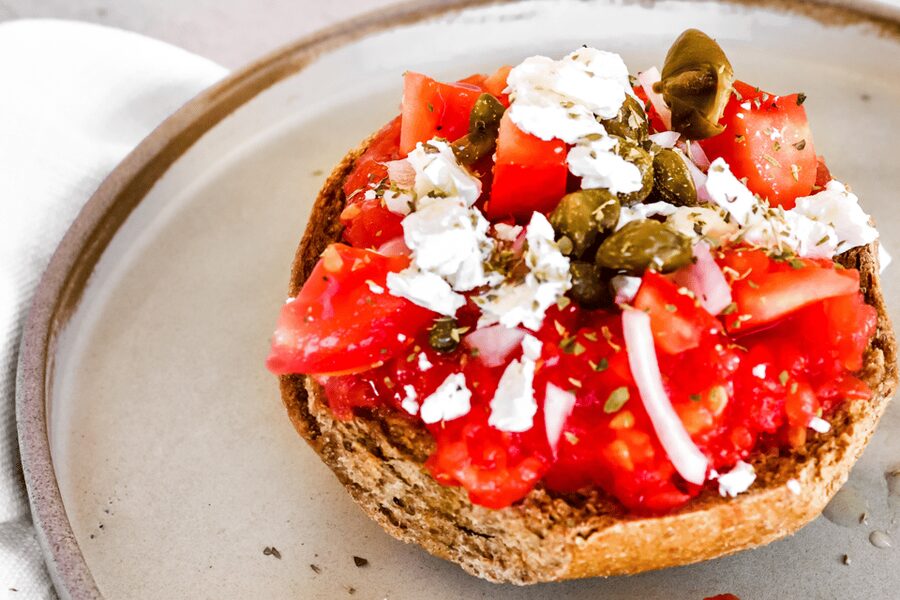
- Dakos
- Koulouri (sesame rings)
- Ekmek (dessert speciality)
You also get a shared meal at the end, so you are building a full spread, not tasting a few bites.
Moussaka with cashew béchamel: comfort food, re-engineered
Moussaka is one of those dishes that feels like a Greek rite of passage. Here, you learn the structure of it, including the creamy layer. The standout twist is cashew béchamel, which brings richness without dairy.
What to pay attention to while you cook:
- how you build flavor in the sauce or filling before the topping goes on
- the texture of the béchamel, because it determines how the final slices hold together
- timing, since moussaka benefits from setting rather than just being served immediately
If you have ever found vegan moussaka disappointing, this is exactly the kind of class where you learn why it can work. You are not just eating the result, you are learning the method.
Tzatziki and the cucumber-yogurt idea
Greek tzatziki is usually a dairy yogurt situation. This version keeps the familiar cooling vibe through a plant-based yogurt approach. You will make it alongside the rest of the meal, which makes it useful as a palate cleanser against richer baked dishes.
Look for:
- balance of cucumber, garlic, and herbs
- how thickness affects dipping and topping
- freshness, especially if you are finishing dishes right before the shared buffet
It is the kind of dish you will want to remake at home because it scales well. You can adjust it for sandwiches, mezze plates, and quick lunches.
Spanakopita: rolling and layering for that flaky bite
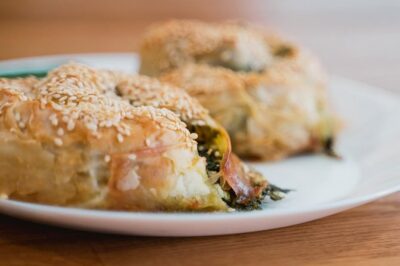
Spanakopita is famous for its pastry contrast, crisp edges with a savory spinach interior. This class includes spanakopita, and some participants mention filo work as part of the fun. Even if you do not become a pastry expert in 3.5 hours, you should leave with muscle memory for basic handling.
Focus on the details:
- keeping filo covered and working in small batches so it does not dry out
- texture of the filling before you assemble
- how you portion so the final pieces are consistent
If you enjoy hands-on craft tasks, this is often the moment people remember most.
Fava: the yellow hummus that changes expectations
Fava is a big deal in Greek cuisine and often under-ordered by visitors because it sounds simple. In reality, it is comforting and flavorful, and the method matters. Here you will make fava, yellow Greek hummus as part of the menu.
When you cook it, note:
- how it becomes smooth enough to spread
- the way herbs and seasonings wake up the flavor
- the serving style, since fava is meant for scooping and sharing
It is a dish that helps you understand Greek legume flavor beyond hummus.
Almond feta: the headline ingredient to try
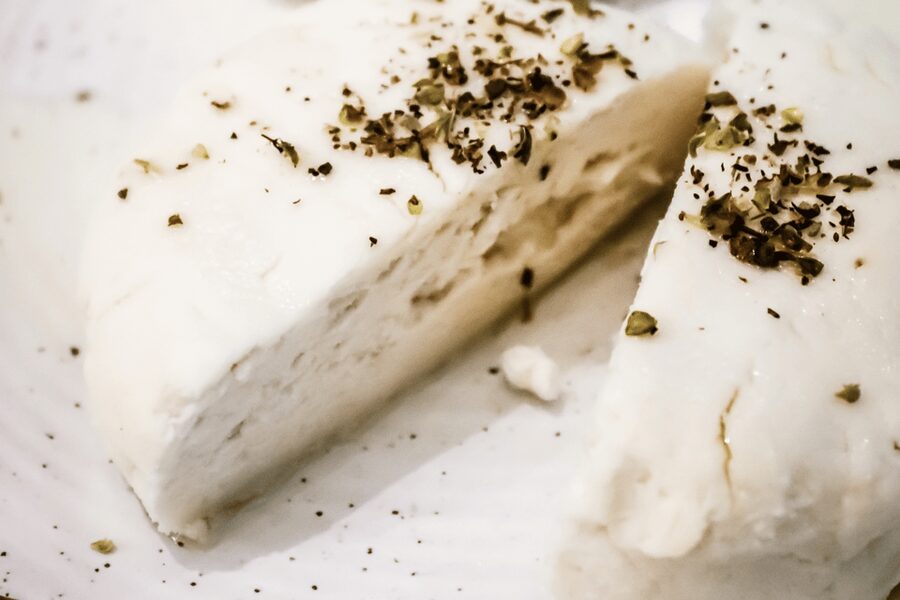
The class description calls out almond feta, and it is clearly one of the biggest crowd-pleasers. It gives you that tangy, savory feel that people associate with feta, while staying plant-based.
What makes this worth your attention is that it is not a gimmick. People often assume vegan cheese tastes different in a way that feels like compromise. This is presented as a Greek delight, and the way it is highlighted in the menu suggests the goal is a feta-like experience in both texture and taste.
Even if you are not vegan, it is a useful learning tool. You get ideas for building salty, tangy flavor with almonds and seasoning rather than dairy.
Dakos and Greek bread-based eating
Dakos is a Greek dish built around bread, typically soaked or dressed and topped with flavors that taste like the Mediterranean itself. In this class, you will make dakos as part of the spread.
Why this helps:
- It shows another texture contrast, bread that softens but still holds identity.
- It trains you to build flavor through toppings and dressing, not just the base.
Koulouri and ekmek: the Athens street-food and dessert side
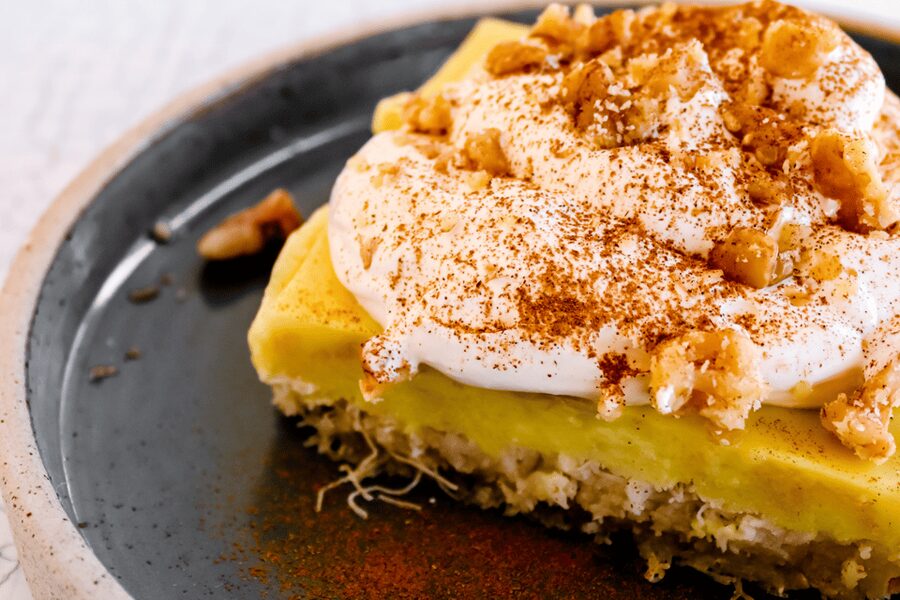
The menu includes koulouri, the sesame ring bread you see around Athens, plus ekmek, a dessert speciality. These rounds out the meal so you do not only learn savory cooking.
- Koulouri gives you a sense of everyday Athens food and how sesame flavor shows up in the crust.
- Ekmek adds a sweet ending and demonstrates dessert technique, not just store-bought finishing.
If you like food that feels local, these two items make the class feel more like Athens and less like a generic cooking workshop.
Drinks and the shared buffet meal, where the social part happens
This is not a BYOB situation, and it is not a formal tasting menu either. You get water, white wine and beer, and ouzo is listed as included. The included details also mention coffee along with the class, so plan to leave with a warm, caffeinated landing point after cooking.
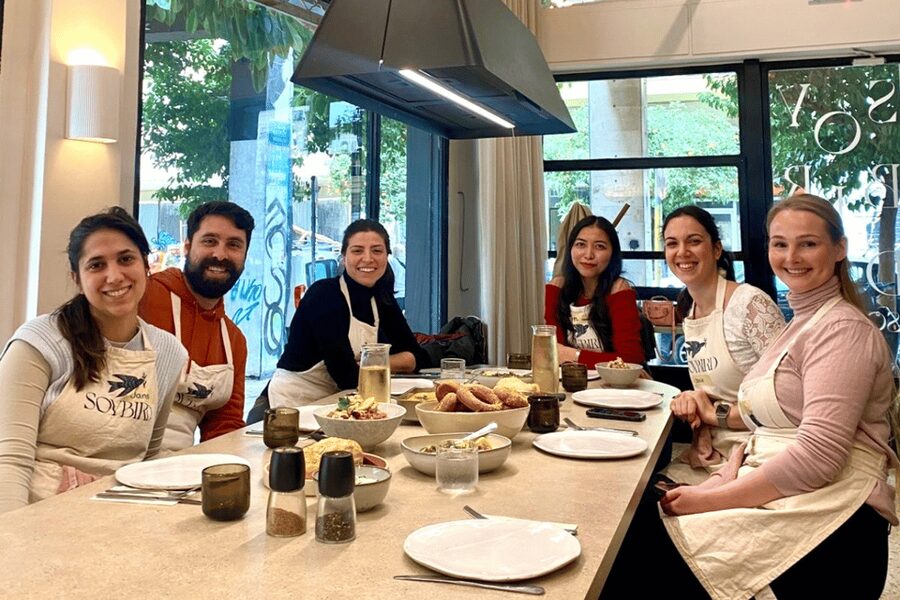
During the meal, the vibe is part of the point. The class is structured so you finish cooking and then eat together. That shared buffet matters because it lets you compare what you made with what your team made, which is how cooking lessons stick in memory.
What makes the meal format practical
You cook in two teams, then everything lands on one table. That means:
- you taste a broader menu than you could personally make in 3.5 hours
- you get the full context for dishes that should be eaten together
- you learn what works, because you taste it immediately after preparation
If you have dietary concerns, the vegan format is the consistent baseline. If you are non-vegan and curious, this is also a low-risk way to learn how familiar Greek flavors can be recreated without dairy or meat.
Price and value: what $93 really buys you
At $93 per person for a 3.5-hour hands-on class, you are paying for more than ingredients. You are paying for:
- a small-group teaching setup with a maximum of 12 to 14 people
- a chef-led process where you cook multiple dishes from scratch
- drinks with the meal (water, wine, beer, and ouzo are listed)
- a digital recipe book in English
- all tools and fresh ingredients
The best value signal is the menu volume. You are scheduled to make a full spread, including moussaka, spanakopita, tzatziki, fava, almond feta, plus bread and dessert. That is a lot of real cooking time for one sitting.
Is it expensive? Compared to buying dinner in Athens, yes. Compared to many classes that only let you assemble a single dish and then send you home, it feels more like a complete meal plus real instruction.
Who tends to get the most out of this class
You will likely enjoy it if:
- you want a hands-on Athens food experience in a central neighborhood
- you like learning techniques, not just copying recipes later
- you are vegan, plant-curious, or simply want to cook Greek food in a modern way
- you are traveling solo and want an easy social activity with structure
It may not fit as well if:
- you want strictly traditional meat-and-dairy Greek flavors only
- you prefer a quick tasting rather than cooking and shared seating
Practical tips so your 3.5 hours feel smooth
This kind of class moves at a lively pace because multiple dishes are on the schedule. Here are simple things that help.
Show up ready to work
Bring comfortable clothes, and wear something you can stand and move in. You will be in a kitchen setting, handling ingredients and tools.
Arrive 10 minutes before the event. That buffer helps you get settled so you are not rushing when the cooking starts.
Plan your Athens day around the class
Since the session runs about 3.5 hours, treat it like a main activity. The class ends with a shared buffet meal, so avoid scheduling a heavy dinner right afterward. If you are planning nightlife or a late museum visit, keep it lighter.
How to get there without stress
Use Google directions by searching SOYBIRD. The kitchen is on the ground floor, far right-hand side of the building. If you arrive early, take a minute to check the entrance so you do not lose time before class begins.
Expect English instruction with flexible help
The class instruction is English, and it is described as having English/Greek-speaking hosts. If you are shy about asking questions, this format still tends to work because everyone has tasks and the hosts can guide you step by step.
Should you book the Athens Greek Cooking Class with Meal and Drinks?
Yes, if you want a central, hands-on way to learn Greek cooking in one afternoon or evening block. This is one of those activities where you leave with more than photos and a full stomach. You leave with transferable techniques, a menu you can remake, and a recipe book you can actually use at home.
Book it especially if you are interested in almond feta, moussaka with cashew béchamel, or learning how Greek dishes feel when they are vegan by design. The small-group teamwork and the shared meal are built to make the experience social, not isolated.
Skip it only if vegan cooking is a deal-breaker for you, or if you strongly prefer to watch rather than participate.
FAQ
How long is the cooking class in Athens?
The class lasts about 3.5 hours.
How many people are in the group?
The maximum group size is limited to 14 people.
Where is the cooking class located?
It takes place in Koukaki, near the Acropolis, in the Soybird Studio building.
What should I do to find the meeting point?
Enter SOYBIRD in Google for directions. The cooking school is on the ground floor, on the far right-hand side of the building.
What languages are used during the class?
Instruction is in English, and hosts may speak English and Greek.
What is included in the price?
You get a hands-on cooking class, fresh ingredients and tools, drinks (water, white wine and beer, plus ouzo is listed), a shared meal, an apron, and a digital recipe book in English.
What dishes are included in the menu?
The menu includes moussaka with cashew béchamel, tzatziki, spanakopita, fava, almond feta, dakos, koulouri (sesame rings), ekmek, and a dessert speciality.
Is the class suitable for children?
It is not suitable for children under 8 years old.
Freshly listed near Athens
- Private Guided Tour: Athens, Acropolis and Acropolis Museum★ 4.9 · 62 reviews
- Private Athens Tour with a Local- Highlights & Hidden Gems★ 4.9 · 64 reviews
- Athens: Private Acropolis Tour with focus on Kids & Families★ 4.8 · 51 reviews
- Piraeus Port: Acropolis Museum and Parthenon Mythology Tour★ 3.7 · 29 reviews
- Poros Island: Full Day Trip From Athens with Swimming★ 4.8 · 33 reviews
- Athens: Ouzo Tasting at Brettos Plaka★ 4.3 · 32 reviews
- Athens Old Town: Greek Olive Oil & Herbs Tasting★ 4.2 · 41 reviews
- No Diet Club – Unique local Food Tour in Athens!★ 4.9 · 38 reviews
Cooking Classes, compared.
Classic Cooking Class with Market Visit and Wine
Read our review →
Food Market Visit and Cooking Class with Wine
Read our review →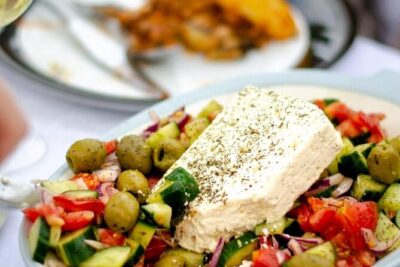
Greek Cuisine Cooking Class in Santorini with Recipes and Wine
Read our review →
Half-Day Cooking Class at Basiliko Family Tavern
Read our review →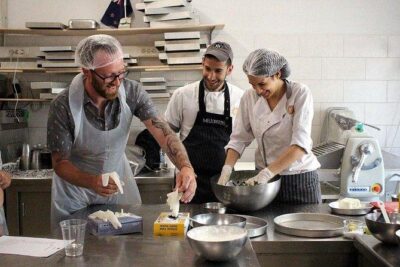
Greek Cooking Class in Athens Including Rooftop Dinner with Acropolis View
Read our review →
Greek Small-Group Athens Cooking Class & Dinner
Read our review →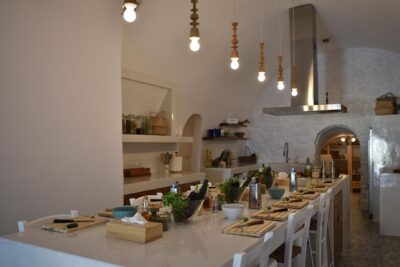
Exclusive Cooking Experience in our Cave Home by Petra Kouzina
Read our review →
Authentic Cooking Class in the White Mountains
Read our review →Browse the lists this tour appears in