
Reviewed · ACROPOLIS TICKETS & GUIDED TOURS
Athens: Acropolis Visit and City Night Tour
Day turns into myth at the Acropolis. This 5-hour combo hits the two moods of Athens, first with a guided Acropolis visit when crowds are lighter, then with a night route that helps you see the city’s big monuments glowing.
What I like most is the way the afternoon walk is paced for real viewing, not just checking boxes. You start from the southeast side to dodge the main entrance crush, and your guide explains how the stones link to Greek myths, from Athena to dramatic theater stories. I also love the night portion, because it turns Athens into a walkable “greatest hits” circuit, with photo-friendly stops like Syntagma Square and the Panathinaiko Stadium.
One thing to plan carefully: Acropolis tickets are not included, and you must buy them for the exact time slot. If you show up without a ticket, you’ll need extra time at the south entrance ticket office area before heading to the meeting point.
In This Review
- Key highlights worth marking on your Athens map
- Afternoon Acropolis: the southeast-side start that saves your sanity
- Parthenon to Propylaea: how the big names connect
- Theatre of Dionysus: where drama was a civic event
- Erechtheion, myths, and the odd, wonderful details
- Real help for your imagination: simulations and clear explanations
- After the guide: how to use your free time on the Acropolis
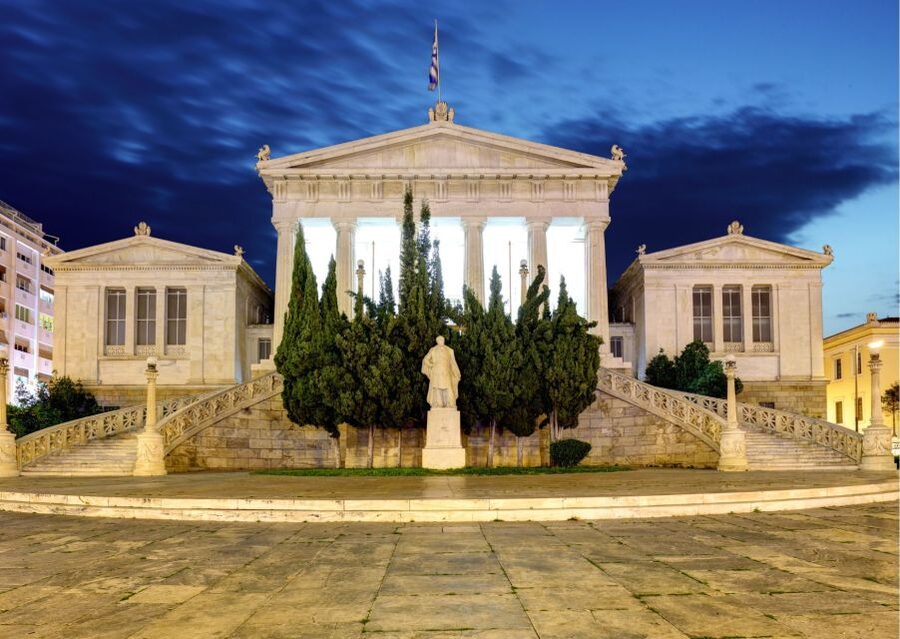
- Night Athens starting at the National Library: neoclassical Athens in motion
- Syntagma Square and the presidential guard stop
- Zappeion and Panathinaiko Stadium: time travel without leaving the street
- Hadrian’s Arch, Zeus, and the cathedral corner of downtown
- Price and value: why this combo makes sense for first-time Athens
- Timing tips: afternoon slot choice and why the ticket time matters
- What you should and shouldn’t expect
- Who this tour fits best
- Should you book this Athens Acropolis and City Night Tour?
- FAQ
- How long is the tour?
- Where do I meet for the afternoon Acropolis part?
- Where do I meet for the evening night tour part?
- Is the Acropolis ticket included in the price?
- What happens if I do not have the Acropolis ticket already?
- Do I need a ticket for a specific time slot?
- What language is the guide?
- Is the tour suitable for wheelchair users?
- Are high-heeled shoes allowed?
- Can I cancel and get a refund?
Key highlights worth marking on your Athens map
- Southeast-side start at the Acropolis, designed to avoid the most crowded entrance
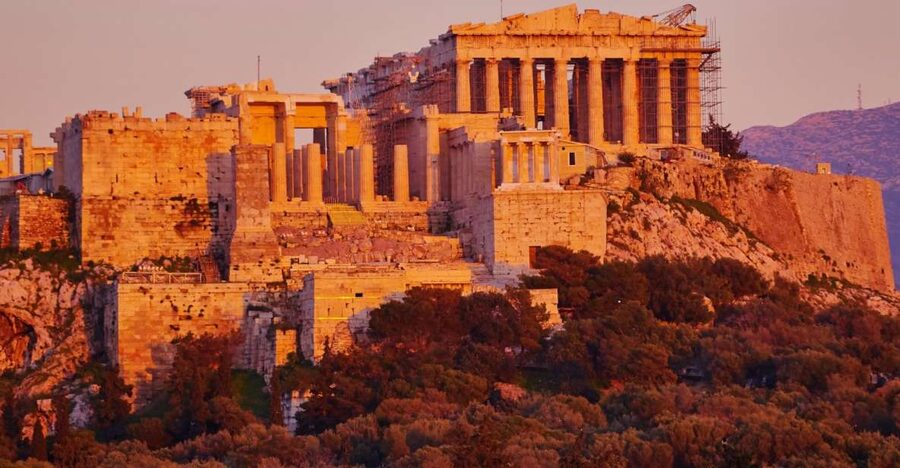
- A guided myth-and-monument route, covering Parthenon, Propylaea, and major theaters and temples
- The Theatre of Dionysus context, including its 17,000-seat scale and festival use
- Night Athens by neoclassical landmarks, starting from the National Library and moving through the University and Academy
- Panathinaiko Stadium and Hadrian’s Arch, plus cathedral and small-church stops before finishing near the Agora
- Spanish licensed guides, with strong storytelling and practical visual help in at least some groups
Afternoon Acropolis: the southeast-side start that saves your sanity
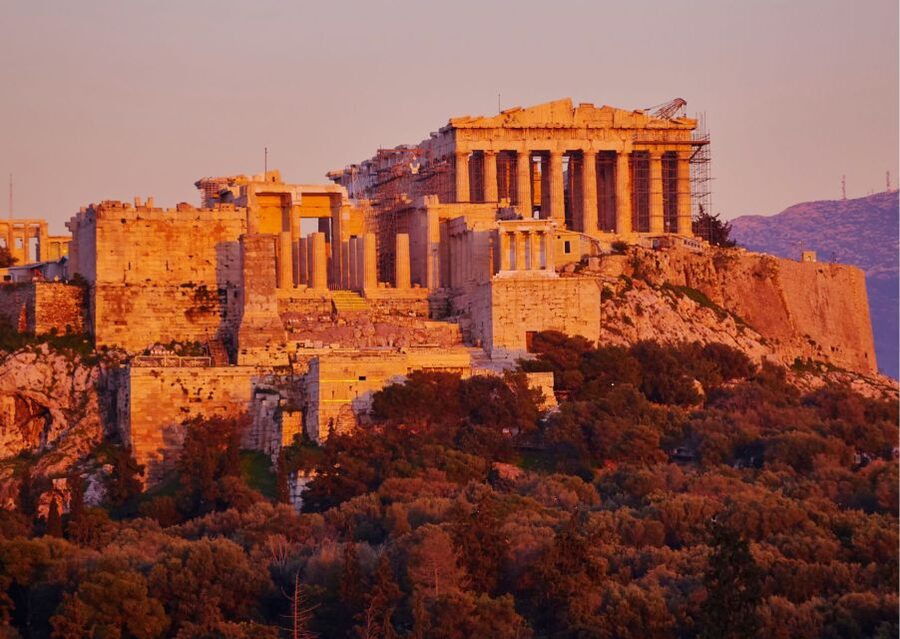
Athens has a talent for turning a simple walk into a crowd-management exercise. This tour works with that reality. The Acropolis section begins from the southeast side, which means you are not immediately swallowed by the busiest entrance flow. The result is a calmer start, and you get to focus on the temples and gateways rather than the bottleneck.
Your guide leads you through the Classical Greece core, with explanations that tie the monuments to the goddess Athena and to the legends people attached to these ruins. If you’re traveling in a group, this kind of structure matters. You’re not just standing around trying to interpret stone carvings and column fragments like an archaeologist.
I also like that the pacing gives you both guided time and a true chance to linger. After the main tour ends at the Acropolis, you have free time to explore at your own pace. That is a big deal at the Acropolis, where the best moments are often the quiet ones, like finding a vantage point that frames the city.
More Acropolis entries and guided walks:
- Athens: Acropolis & up to 5 Archaeological Sites Combo Pass
★ 4.2 · 13,904 reviews - Athens: Acropolis, Parthenon & Acropolis Museum Guided Tour
★ 4.8 · 9,316 reviews - The Acropolis, Parthenon & Acropolis Museum Guided Tour
★ 4.7 · 8,493 reviews
Parthenon to Propylaea: how the big names connect
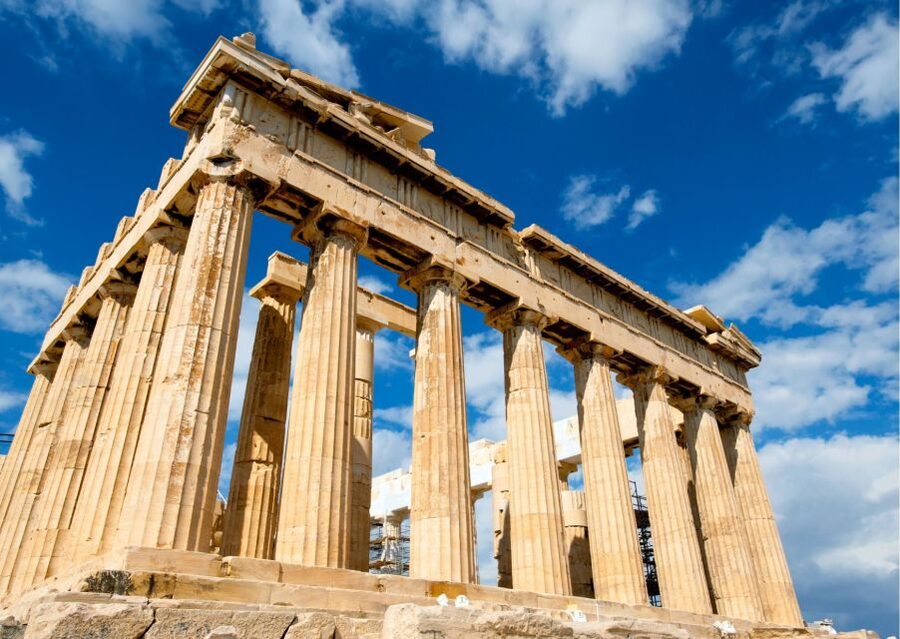
The route is built around the Acropolis’ main icons, and the guide commentary gives you the connections that are easy to miss on your own. You’ll see the Parthenon and the Propylaea, the monumental gateway that sets the tone for everything above it.
This is where the tour’s “why this matters” approach shows. The guide doesn’t treat each stop as a separate postcard. Instead, you get the feeling of one sacred complex built for civic pride and religious ceremony, with architecture doing political and spiritual work at the same time.
One detail I’d pay attention to while you’re there: the Parthenon is not just impressive because it exists. It is impressive because it represents a design ideal of its time. Even if you know the name, the guided context helps you look with more precision, like noticing how spaces guide movement and sightlines.
Theatre of Dionysus: where drama was a civic event
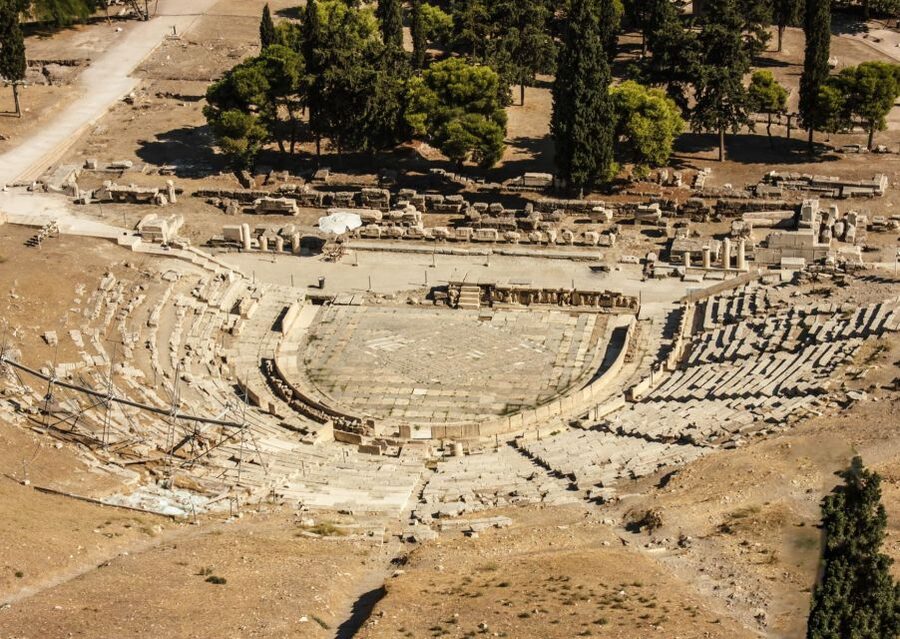
You’ll also visit the Theatre of Dionysus, and the scale is spelled out on the tour. It seats about 17,000 spectators and was used for festivals honoring Greek gods. That number helps you imagine what a performance meant in an ancient city.
Without context, a theater ruin can feel like any other hillside seating. With context, it becomes a window into how Athenians gathered, argued, celebrated, and reflected through drama. If you like theater, mythology, or even just human storytelling, this stop pays off quickly.
Also, standing where the crowd once was gives you a different sense of the Acropolis. The theater location makes the hillside topography feel purposeful, not random.
Erechtheion, myths, and the odd, wonderful details
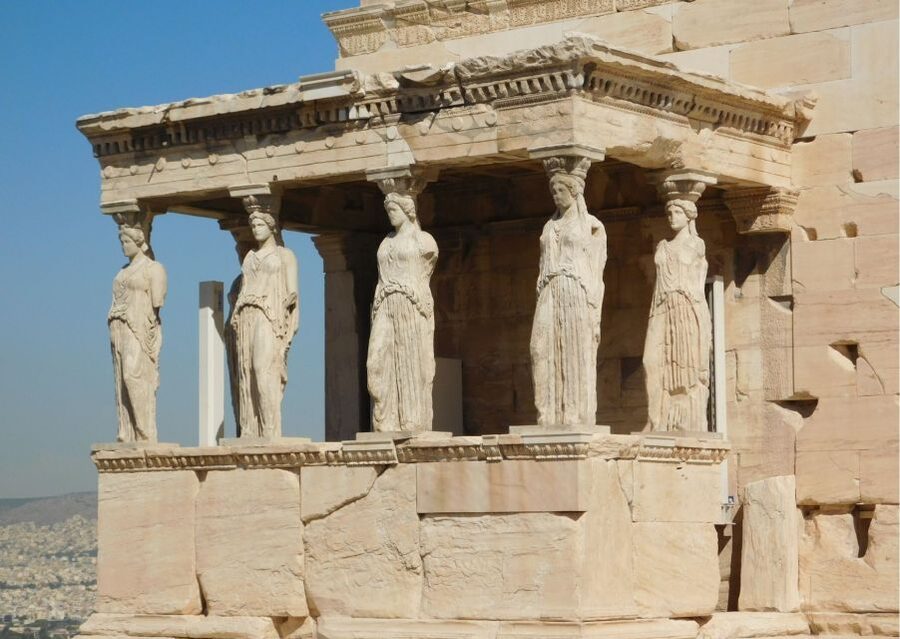
Next up is the Erechtheion, named after the demigod Erechtheus. This is one of those stops where a guide really earns their pay. The tour includes commentary on ancient Greek myths behind the ruins, so you’re not only admiring forms, you’re learning the story people assigned to them.
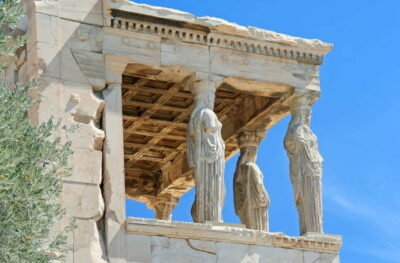
From there you’ll see the Odeon of Herodes Atticus, and then you’ll move toward the Caryatids and the Temple of Athena Nike. The Caryatids are the standout “wait, what am I looking at?” element, because they are sculpted figures that turn architecture into character.
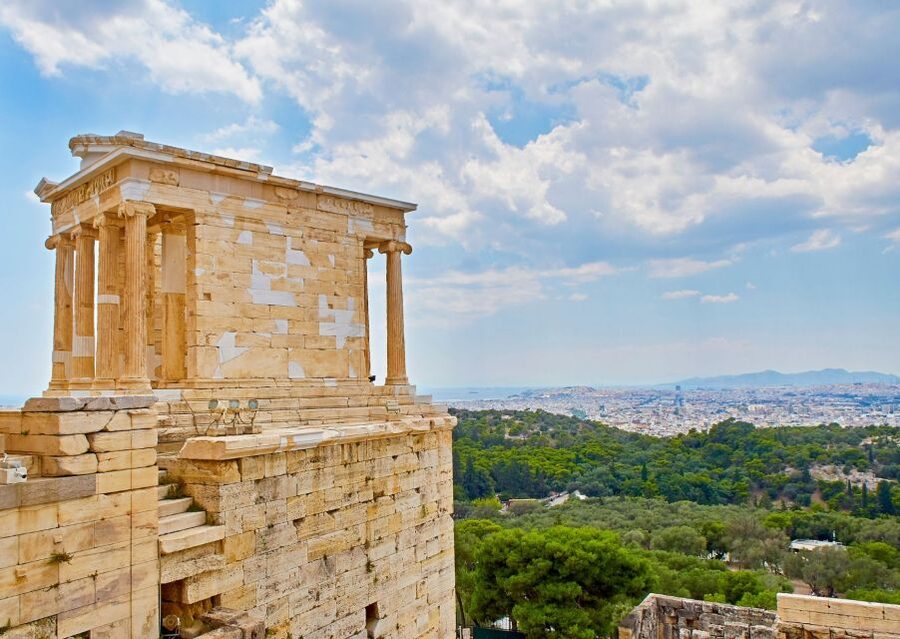
The Temple of Athena Nike is also highlighted as the smallest temple on the Acropolis. That’s useful context. You might assume the largest structure is the most important, but the tour helps you see how religious meaning is not always about size. Sometimes a structure is small because the ritual space it supports is focused and intentional.
If you want a simple rule of thumb: let the guide’s explanation guide your gaze, then take your time afterward to look again. That second look is usually when the carvings start to make sense.
Other ways to spend the day near Athens
- Athens: Cape Sounion & Poseidon Temple Sunset Half-Day Trip
★ 4.8 · 8,241 reviews - Athens: Cape Sounion & Temple of Poseidon Sunset Experience
★ 4.3 · 1,338 reviews - Athens Evening Food Tour
★ 5.0 · 766 reviews - Athens: Acropolis Sunset Tour with Optional Fast-Track Entry
★ 4.8 · 715 reviews
Real help for your imagination: simulations and clear explanations

Some guides in this operator’s groups use visual aids, including simulations, to help you picture how things looked in antiquity. In one recent Spanish-language group, the guide was Bárbara, and the feedback highlighted both her professionalism and a folder of simulations that helped people imagine the Acropolis in its earlier form.
Even if you don’t speak Greek or don’t know the myth background, that kind of tool can make the ruins feel less abstract. It shifts you from viewing fragments to viewing a place that had a specific purpose.
Another guide name that showed up in feedback was Juan, with strong notes about his knowledge of history and the city, plus a well-arranged route. When you have a guide who understands how to keep the group moving and still explain what you’re looking at, the tour feels tighter, not rushed.
After the guide: how to use your free time on the Acropolis
Once the main guided portion ends, you get free time to stay longer and explore at your own pace. This is where you can shape the experience for yourself.
If you like photos, use this window to step back from the busiest points and find your angles. If you want a deeper read, treat the free time like a second pass. First pass is about names and myths, second pass is about your own noticing.
One practical note: the Acropolis is on stone and slopes. You’ll want comfortable walking shoes. The tour also doesn’t allow high-heeled shoes, which is a good rule since you’ll be on uneven surfaces.
Night Athens starting at the National Library: neoclassical Athens in motion
After the Acropolis, the tour switches gears into 19th-century and modern Athens, and it starts in a smart place. The evening meeting point is the National Library of Greece on Panepistimiou 32.
From there, the night route follows one of Athens’s most recognizable themes: the neoclassical trilogy. You’ll see the National Library, then the University of Athens, and then the Academy of Athens. This makes the city feel planned, not random.
At night, the effect is practical. These buildings are easier to read from a distance, and lighting gives you quick landmarks. That matters because night orientation in Athens can be tricky. A route like this helps you connect what you saw in the afternoon with what you’ll see around town after dark.
Syntagma Square and the presidential guard stop
Next comes Syntagma Square, where the route includes a stop by the Greek Parliament. You’ll see the presidential guard.
This stop is a good reset. It breaks up the long rhythm of monuments and gives you an easy place to pause. It’s also one of those moments that helps first-time visitors get their bearings fast, since Syntagma Square is one of the central squares most people use as a reference point.
If you’re sensitive to standing still for photos, plan for a short window here. You’ll have time later to keep moving.
Zappeion and Panathinaiko Stadium: time travel without leaving the street
The evening tour includes a stop among the National Gardens, at the Zappeion area, described as an ancient Olympic village of sorts. Then you’ll visit the Panathinaiko Stadium, known as the first Olympic stadium in modern history.
This is the part of the night route where Athens feels especially tailored to themes you can actually remember. You go from neoclassical grandeur to the idea of Olympics and civic identity, then you hop to older imperial layers in the next stops.
If you’re a sports fan, the stadium is likely the most satisfying single photo stop in this half. If you’re not, it still works because it’s so obviously a purpose-built arena with clear historical meaning.
Hadrian’s Arch, Zeus, and the cathedral corner of downtown
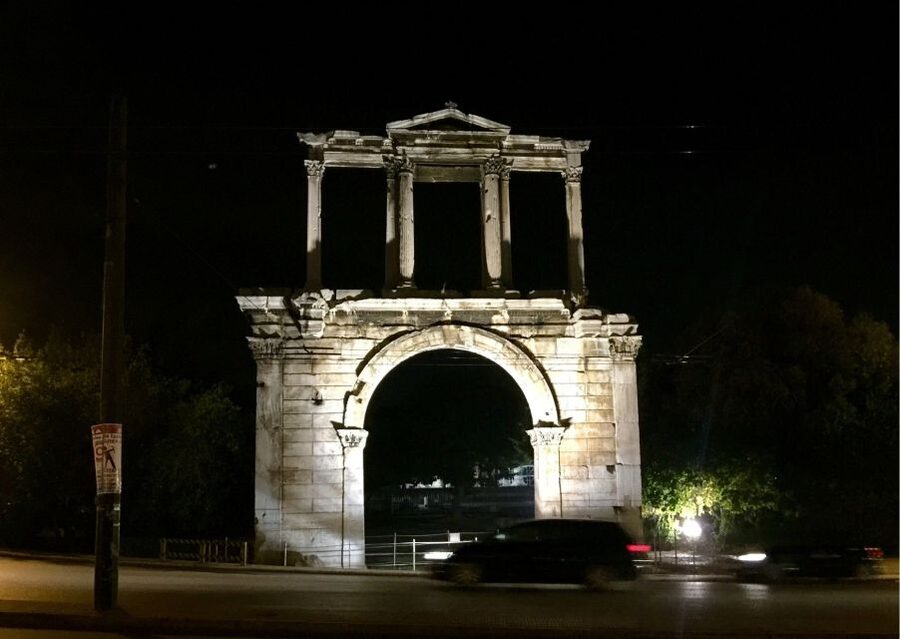
After Panathinaiko Stadium, the route steps back in time again with Hadrian’s Arch and the Temple of Zeus. This part of the walk helps you connect Athens across eras, not just as a museum city.
From there you’ll head to the Metropolitan Cathedral and the Little Mitropolis. These are useful because they add texture to the modern city. The Acropolis is ancient Greece at its peak, but Athens is also a living city where religious life continues in buildings of later centuries.
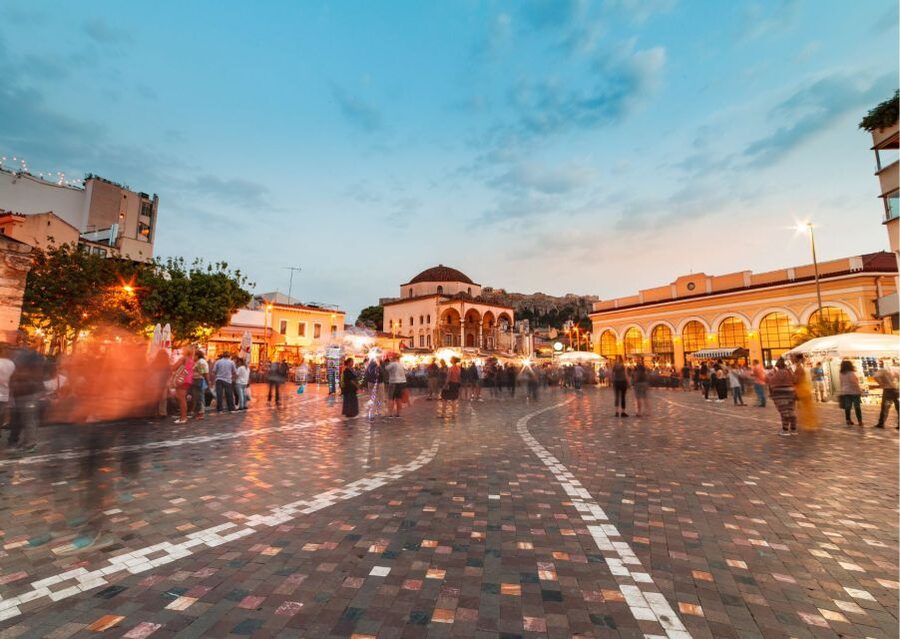
Then you arrive in Monastiraki Square. The tour ends in the Greek Agora with impressive views of the Acropolis, which is a strong closing note because it ties your entire day back to the big rock in the center of the story.
Price and value: why this combo makes sense for first-time Athens
At $53 per person for about 5 hours, this tour is a value play if you want guidance for both day and night. You’re basically paying for two guided experiences in one ticketed flow: an Acropolis visit with a licensed Spanish guide and a separate nighttime orientation loop with major city landmarks.
The key value is not just convenience. It’s interpretation. At the Acropolis, the difference between reading names and hearing legends can be huge, especially when your guide is explaining why each temple and gateway mattered. On the night side, the value is orientation and pacing. Athens looks different at night, and a route that strings together the National Library, Syntagma Square, the stadium, and the Agora helps you see the city with less guesswork.
The one cost that isn’t in your price is the Acropolis site ticket. Those tickets are required, and they are time-slot based. If you plan to do the Acropolis anyway, adding this guided layer is usually easier than trying to stitch together your own day-night route with multiple stops and uncertain timing.
Timing tips: afternoon slot choice and why the ticket time matters
This tour runs on a 5-hour format with specific ticket time-slot rules, depending on your departure time. For the 15:00 tour, the time slot you need is 15:00-16:00. For 17:00, you need 17:00-18:00. For 17:45, you need 18:00-19:00.
That matters because Acropolis entry is controlled by timed tickets. If you’re late or waiting on a ticket line, you can lose the benefit of starting smoothly from the southeast side.
You’re also asked to buy Acropolis tickets before the activity starts, and online is recommended. If you can’t get your ticket online, the guidance is to go to the ticket office area of the south entrance around 30 minutes earlier, buy there while waiting in line, and then walk to the meeting point, which is less than 2 minutes away.
If you like a low-stress day, build in that buffer. Athens is wonderful, but it is not a place where last-minute scrambling pays off.
What you should and shouldn’t expect
This experience is not just about monuments. It’s also about walking routes that connect eras. During the day, you focus on Classical Greece and the sacred myth world. At night, you shift to neoclassical Athens and downtown layers, finishing in a spot where the Acropolis is still in your view.
The tour includes a licensed guide in Spanish, and you won’t have audio-described accessibility features listed. It’s also not suitable for wheelchair users based on the provided information.
And yes, you’ll do real walking on uneven surfaces. The shoe restriction rules make sense for a reason, so plan accordingly.
Who this tour fits best
You’ll probably love this tour if you’re:
- Visiting Athens for the first time and want a structured day-night view
- Interested in mythology tied to what you’re seeing, not only dates and names
- Short on time, but still want the Acropolis plus a meaningful downtown night route
- Comfortable with walking and want a guided explanation while you move
You might want a different plan if you need step-free access, or if you strongly dislike timed ticket constraints. The Acropolis ticket timing is non-negotiable for entry.
Should you book this Athens Acropolis and City Night Tour?
If your goal is to understand Athens in one afternoon and one night loop, this is a strong booking. The Acropolis portion is built around a practical approach to crowds, and the night route gives you easy orientation by connecting major landmarks: National Library, University, Academy, Syntagma Square, the Zappeion area, Panathinaiko Stadium, Hadrian’s Arch, the cathedral stops, Monastiraki, and the Agora.
Book it if you’re excited by stories tied to stone, and you’ll appreciate a Spanish licensed guide handling the “what you’re looking at” part. Skip it if timed tickets and a fair amount of walking feel like a hassle, and you prefer a free-form day with no set meeting points.
FAQ
How long is the tour?
The experience lasts about 5 hours.
Where do I meet for the afternoon Acropolis part?
Meet at the Acropolis metro station about 10 minutes before the tour starts.
Where do I meet for the evening night tour part?
Meet at the National Library of Greece at Panepistimiou 32, Athina 106 79.
Is the Acropolis ticket included in the price?
No. You must buy your Acropolis archaeological site ticket separately before the activity starts.
What happens if I do not have the Acropolis ticket already?
If you do not have a purchased ticket, you need to go to the ticket office area of the south entrance about 30 minutes earlier to buy while waiting in line, then walk to the meeting point.
Do I need a ticket for a specific time slot?
Yes. Ticket time slots depend on your tour start time, for example 15:00 requires 15:00-16:00, 17:00 requires 17:00-18:00, and 17:45 requires 18:00-19:00.
What language is the guide?
The tour includes a licensed live guide in Spanish.
Is the tour suitable for wheelchair users?
No, it is not suitable for wheelchair users according to the provided information.
Are high-heeled shoes allowed?
No. High-heeled shoes are not allowed.
Can I cancel and get a refund?
Yes. You can cancel up to 24 hours in advance for a full refund.
Freshly listed near Athens
- Private Guided Tour: Athens, Acropolis and Acropolis Museum★ 4.9 · 62 reviews
- Private Athens Tour with a Local- Highlights & Hidden Gems★ 4.9 · 64 reviews
- Athens: Private Acropolis Tour with focus on Kids & Families★ 4.8 · 51 reviews
- Piraeus Port: Acropolis Museum and Parthenon Mythology Tour★ 3.7 · 29 reviews
- Poros Island: Full Day Trip From Athens with Swimming★ 4.8 · 33 reviews
- Athens: Ouzo Tasting at Brettos Plaka★ 4.3 · 32 reviews
- Athens Old Town: Greek Olive Oil & Herbs Tasting★ 4.2 · 41 reviews
- No Diet Club – Unique local Food Tour in Athens!★ 4.9 · 38 reviews
Acropolis Tickets & Guided Tours, compared.
Acropolis & up to 5 Archaeological Sites Combo Pass
Read our review →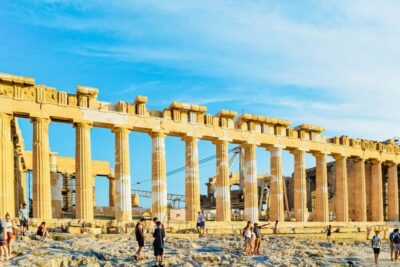
Acropolis Ticket with Optional Audio or Live Guide
Read our review →
Acropolis, Parthenon & Acropolis Museum Guided Tour
Read our review →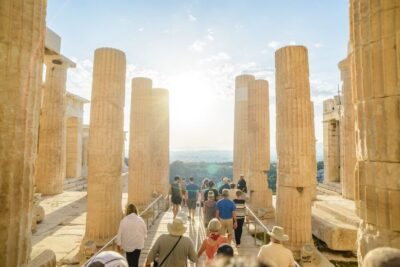
Acropolis: Premium Acropolis and Parthenon Guided Tour
Read our review →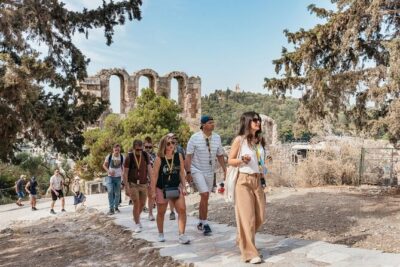


Athens Scenic Electric Bike Tour with optional Acropolis visit
Read our review →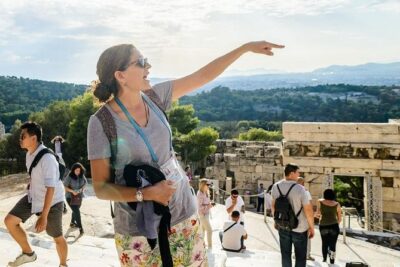
Acropolis monuments & Parthenon Walking Tour with Optional Acropolis Museum
Read our review →Browse the lists this tour appears in