

Reviewed · ACROPOLIS TICKETS & GUIDED TOURS
Athens: Acropolis, Parthenon & Acropolis Museum Guided Tour
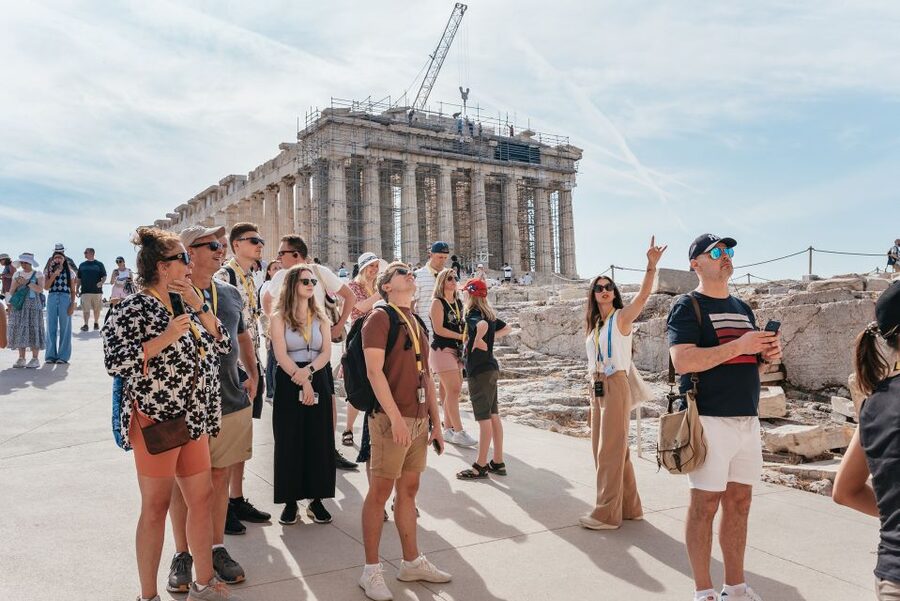
One hill, two museums, and stories you can picture. This Acropolis walk with an archaeologist turns the Parthenon from a postcard into a real place. I like how the route focuses on both monuments and context, not just the biggest names, and you get to see the skyline view everyone talks about.
What I really like is the guided storytelling. It covers the Theater of Dionysus, the Odeon of Herodes Atticus, and the quieter sacred spots like the Asclepius healing temple, so the Acropolis feels like a functioning world. I also love that you’re not done after the hilltop, because the New Acropolis Museum brings the artifacts and everyday life into focus, including the glass presentation areas.
One drawback to think about: this is a walking-heavy experience on uneven stone. It is not suitable for wheelchair users or people with mobility impairments, and you should plan for a physical day even if the tour length can be shorter.
In This Review
- Key highlights to know before you go
- Why an archaeologist-led walk makes the Acropolis make sense
- From Porinou 5 to the south slope climb: your start matters
- Theatre of Dionysus: where you learn drama by seeing the seats
- Odeon of Herodes Atticus: still a working stage
- Propylaea and the Nike Temple: photo stops that teach the architecture
- Asclepius healing temple: the quieter stop that adds depth
- Parthenon time: what to focus on during your guided visit
- Erechtheion: the stop that makes the Acropolis feel lived-in
- Walking back toward the museum: a short scenic interlude
- New Acropolis Museum: where everyday life shows up
- Price, pace, and whether $41 feels like value
- Who this tour suits best (and who should rethink it)
- Should you book this Acropolis and Acropolis Museum guided tour?
- FAQ
- Where do I meet for the Acropolis, Parthenon and Acropolis Museum guided tour?
- How long is the tour?
- Is the tour guided, and what language is it in?
- What is included in the price?
- What should I bring?
- Are meals or drinks included?
- Is the Acropolis Museum entrance included?
- Is this tour suitable for wheelchair users or mobility impairments?
Key highlights to know before you go
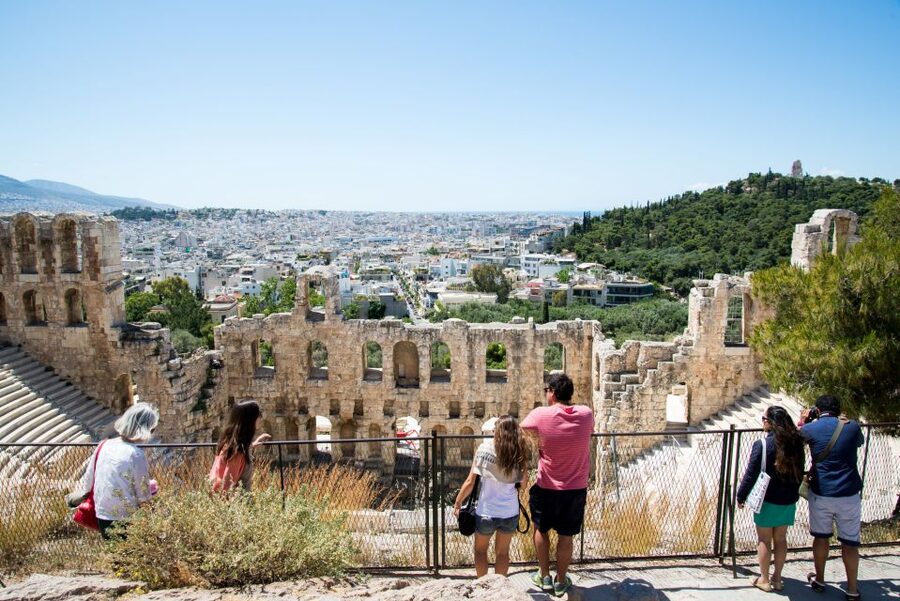
- Archaeologist guide on the hilltop: you’ll get excavation and construction explanations as you walk, not just myths and general facts
- South slope entry: you start from a different angle than most self-guided routes, which makes the top feel easier to grasp
- Theater stops with an imagination exercise: you pause at seating areas to picture what Greek drama audiences experienced
- Skip-the-line access: separate entrance use can save you time at both the Acropolis and the museum
- New Acropolis Museum glass galleries: the floor and temple displays connect what you saw outside with objects inside
Why an archaeologist-led walk makes the Acropolis make sense
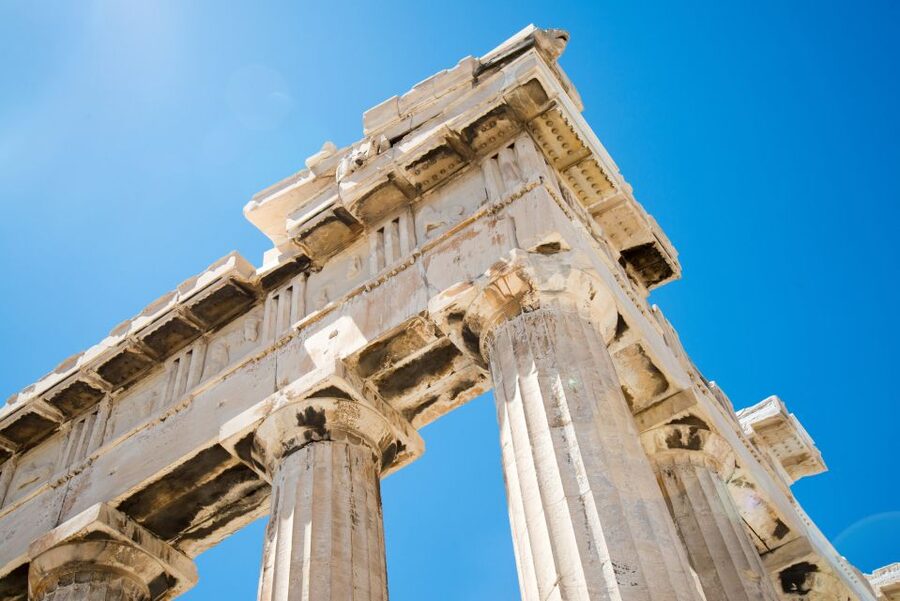
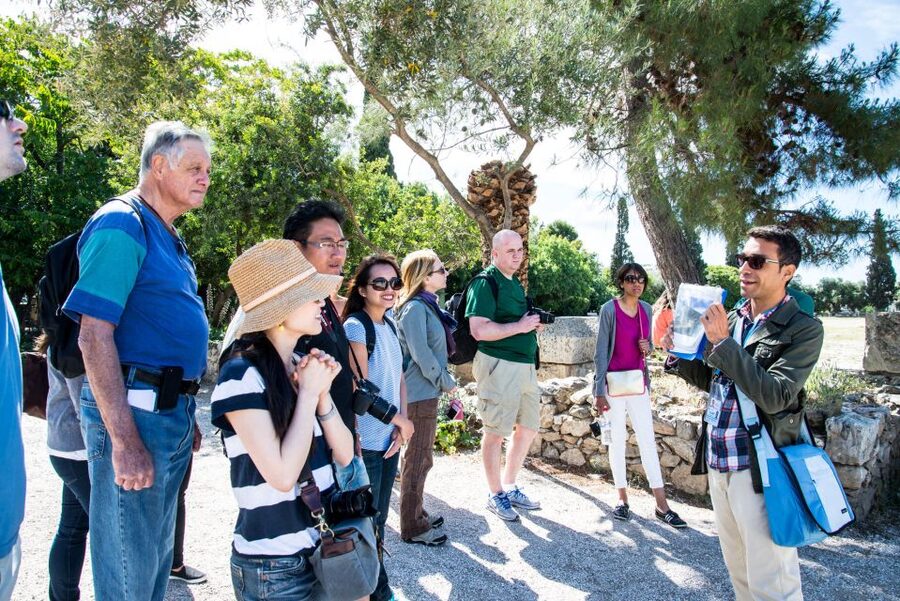
The Acropolis is crowded, hot, and confusing if you go alone. You look up at columns and wonder what you are actually seeing. With a licensed guide who’s an archaeologist, you get a framework fast: what each building was for, how it changed over time, and why some ruins look the way they do today.
I’m also a fan of the pacing tools. You receive wireless hearing devices, which matters on the Acropolis. Even when the group hits busy stretches near viewpoints and doorways, you can still follow the guide without shouting or guessing.
The other big win is interpretation. At this site, the story is not only the Parthenon. The best tours explain why the Acropolis included performing arts, worship spaces, and practical civic life. Guides described as thorough and engaging, including people like Petros, Dionissos, Anna, Demos, and Artemis, seem to hit that balance: enough detail to feel grounded, plus pauses for photos and short resets.
More Acropolis entries and guided walks:
- Athens: Acropolis & up to 5 Archaeological Sites Combo Pass
★ 4.2 · 13,904 reviews - Athens: Acropolis, Parthenon & Acropolis Museum Guided Tour
★ 4.8 · 9,316 reviews - The Acropolis, Parthenon & Acropolis Museum Guided Tour
★ 4.7 · 8,493 reviews
From Porinou 5 to the south slope climb: your start matters
You meet at the Athens Walks tour office on Porinou 5, ground floor. This location is central and easy to find before you start climbing. From there, the tour builds toward the hilltop rather than dumping you straight into the headline sights.
A smart part of the design is the south slope approach. It helps you orient to the Acropolis as a complex site with layers, not one isolated viewpoint. Expect a leisurely walking pace at the start, but remember you’re still going uphill and moving between monuments.
You’ll also want to pack like you’re going to hike. Bring a passport or ID card, wear comfortable shoes, and bring a sun hat. The no-fuss rule on stone sites is simple: if your shoes aren’t solid and grippy, you’ll spend your energy watching your footing instead of watching the architecture.
Theatre of Dionysus: where you learn drama by seeing the seats
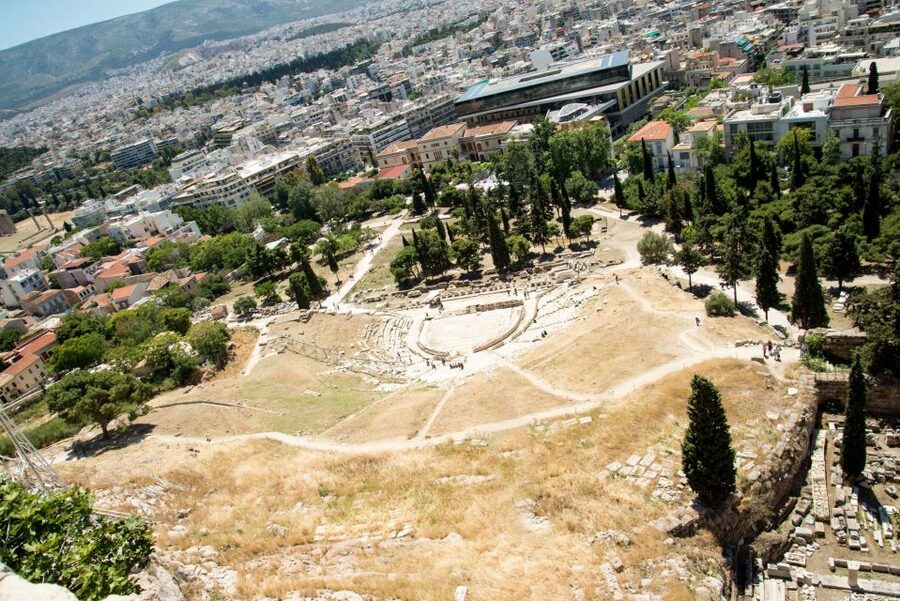
The tour’s first major anchor point is the Theatre of Dionysus. It is presented as the birthplace of performing arts, and the guide uses that to help you understand why this place mattered beyond religion and politics.
This stop is short, but it’s memorable because you slow down mentally. You perch on a stone seat during the experience to imagine the sights and sounds that ancient audiences had. That little moment turns an amphitheater into something human, with real viewing angles and atmosphere. You are not just looking at ruins, you are learning how space shaped performance.
A practical note: the theater area can feel busy, and stone can be uneven. Keep an eye on your footing, and be ready for the rest of the group to move along quickly, because the guide needs to keep the flow going to reach the next sights.
Odeon of Herodes Atticus: still a working stage
Next comes the Odeon of Herodes Atticus. This theater is still used today, during the Athens Festival from May to October. That detail gives you a fun reality check. Ancient spaces here aren’t only museums in the open air. Some of them still host events, which makes the Acropolis feel less frozen.
The guide’s storytelling at this stop typically connects form to function. You’ll hear why this theater’s layout and setting fit performances, and how it fits into the broader civic culture on the hill. In plain terms, you start seeing the Acropolis as a place where Athenians gathered, not just a place with trophies of art.
Other ways to spend the day near Athens
- Athens: Mythology of Delphi, Museum and Arachova Guided Tour
★ 4.7 · 5,102 reviews - Acropolis monuments & Parthenon Walking Tour with Optional Acropolis Museum
★ 5.0 · 2,678 reviews - Athens All Included: Acropolis and Museum Guided Tour with Ticket
★ 4.5 · 2,673 reviews - Athens: Acropolis Museum Ticket with optional Audio Guide
★ 4.4 · 2,652 reviews
Propylaea and the Nike Temple: photo stops that teach the architecture
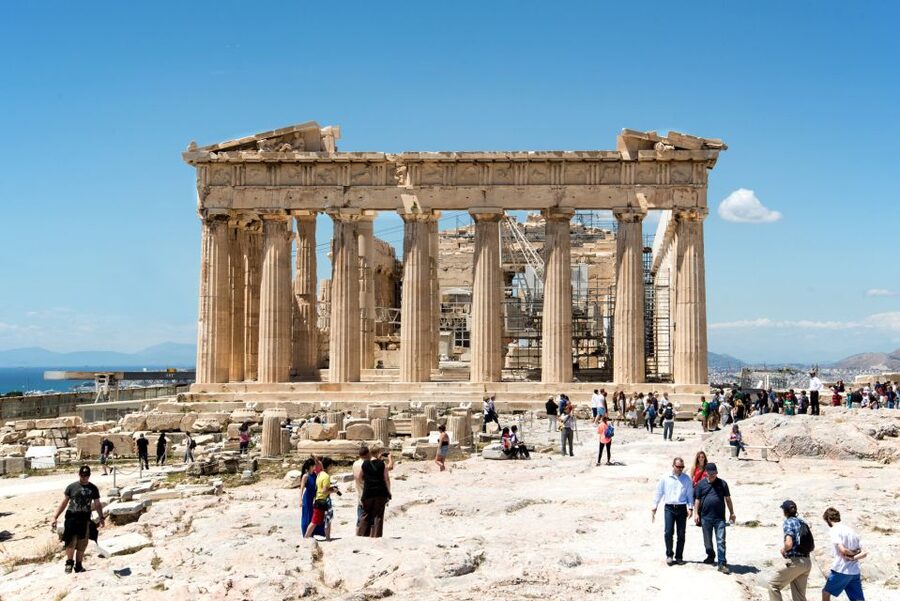
As you move forward, you pass the Propylaea. You get a photo stop plus guided context. Propylaea is the ceremonial gateway, so the explanation helps you understand why the arrival into the main sacred area was designed to feel like an event.
Then you reach the Temple of Athena Nike. This is another quick guided moment with sightseeing time. Even if you only spend a few minutes here, it matters because it frames Athena as the central figure and sets the tone for what comes next. The architectural details you hear about help you notice shape and proportion when you look at the temple ruins.
If you like to photograph, plan to raise your camera and then lower it. You’ll want to see the viewpoint first, then capture it. The tour builds in photo stops, but it’s still a moving schedule, so don’t get stuck trying to get the perfect shot at the expense of listening.
Asclepius healing temple: the quieter stop that adds depth
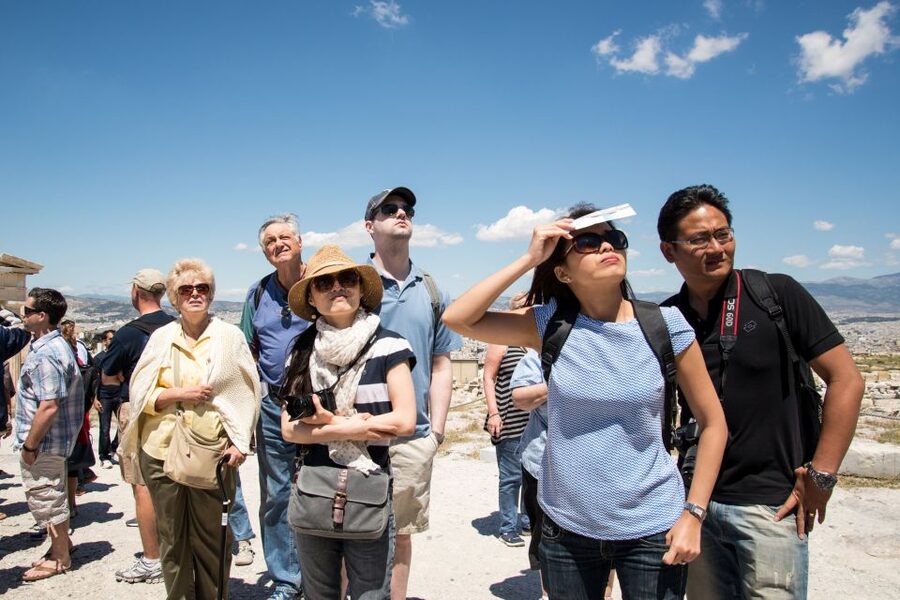
One of the more interesting inclusions is the Asclepius healing temple. It is tied to the god of medicine, and the tour uses this stop to show that the Acropolis was not only about leaders and grand monuments.
You wander around and learn how this space worked and why it was built for Athena’s sacred world. The key value here is contrast. After theaters and gateways, a healing temple gives you a different angle on how people lived and believed.
This is also where you can reset your brain. The guide’s explanations tend to slow down here, which makes the later hilltop climbs feel less intense. If you tend to get museum fatigue, this stop is a mental breather.
Parthenon time: what to focus on during your guided visit
The Parthenon is the main event, and the time you get here is designed to be useful. You visit with guided coverage and sightseeing time, with a longer stay than the smaller stops.
To make the most of it, use the guide’s construction story as your “map.” The Parthenon is not only a famous temple, it’s a system of decisions: where the building sits, how the columns work visually, and why the site’s design connects to the worship of Athena. You’ll likely hear about how earlier ideas were expressed in the structures around it and why the ruins you see now reflect changing history.
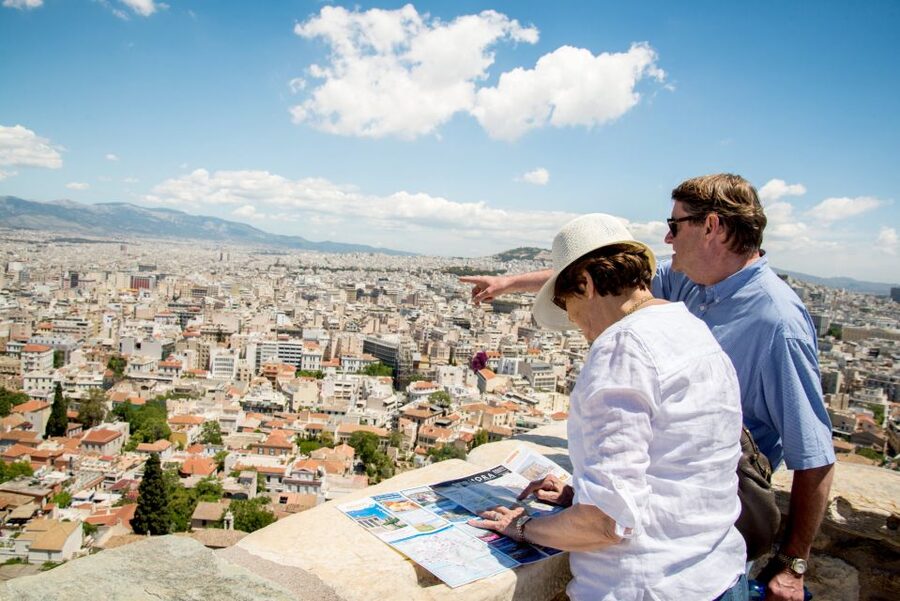
Then you’ll also catch the big skyline moment from the top of the Acropolis. The view is worth it, but don’t treat it like a separate activity. Use it as a payoff for what you just learned. When you look out, you’re seeing why this hill location mattered, politically and spiritually.
Erechtheion: the stop that makes the Acropolis feel lived-in
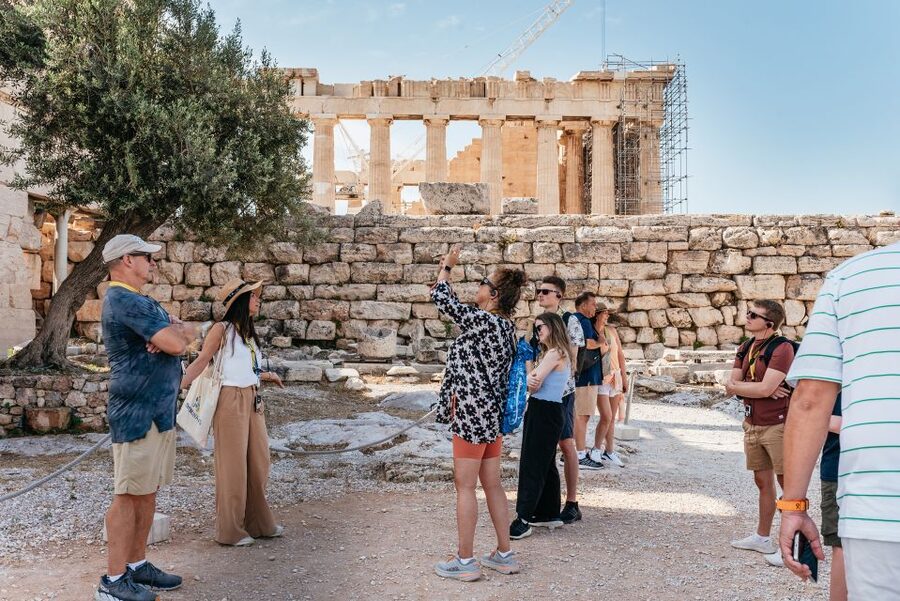
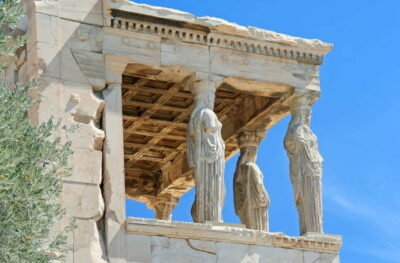
After the Parthenon, the tour heads to the Erechtheion. It’s a shorter guided visit, but it’s a crucial one because it widens the story. You’re still on the sacred area, but you start seeing how different parts of the complex served different sacred functions and honored different aspects of the divine.
The guide’s explanation helps you connect the building’s features to the myths and religious meanings associated with the site. Even if you already know the Parthenon, Erechtheion makes the Acropolis feel more like a living religious landscape rather than a single perfect monument.
There’s also a break and photo stop time on the Acropolis of Athens. That free moment is useful to cool down, take a few additional photos, and simply absorb. Just keep in mind that some people feel they want more time to explore on their own. If you strongly prefer wandering with zero structure, this tour may feel a bit guided.
Walking back toward the museum: a short scenic interlude
Once you’ve spent time on the main heights, you continue with sightseeing and a walk that includes Dionysiou Areopagitou. This isn’t the dramatic part of the day, but it helps you transition from hilltop intensity to museum calm.
The value here is momentum. If you go straight from the Parthenon into the museum without any shift, your brain can feel overloaded. The walk period gives you a breather and a chance to look at the city context, so the museum feels less like a separate attraction and more like the next chapter.
New Acropolis Museum: where everyday life shows up
The tour ends at the New Acropolis Museum with a guided visit of about 1.5 hours. This is often the part that turns the Acropolis from “pretty ruins” into “understandable culture.”
You also get a brief break indoors, with the option to buy refreshments in the cafe at your own expense. That pause is practical. Even in cool months, you’ve usually climbed and stood in open air, so it’s good to reset before the museum galleries.
The museum presentation is built to explain. You’ll see collections of statues and relics tied to everyday life, not only temple masterpieces. That matters because it shows how the Acropolis connected to real people, including crafts, worship practices, and the artifacts that survived.
Two museum features deserve special attention:
- The Gallery of the Slopes of the Acropolis, where a glass floor sometimes reveals an archaeological excavation site
- The Parthenon temple glass gallery, which helps you visualize architectural elements in a way that outside ruins alone can’t fully communicate
This is also where guide quality really shows. People like Lisa, Annie, Elizabeth, and Aphrodite are often praised for connecting the objects to the monuments you just saw. If you’ve ever toured a museum and felt like everything was just names on labels, this guided format is the fix.
Price, pace, and whether $41 feels like value
At about $41 per person, the price lands in a sensible range for a tour that combines two major visits. You’re not only paying for a guide, you’re paying for time saved and effort removed.
You get:
- A guide for the Acropolis monuments plus the museum tour
- Wireless hearing devices
- Skip-the-line entrance to the Acropolis when the ticket option is selected
- Skip-the-line entry to the Acropolis Museum
That value is real if you are on a tight schedule or if you hate standing in long lines. The Acropolis can be slow to move through due to crowding. A separate entrance and timed flow can turn a stressful hour into a manageable one.
As for pace, it’s built to fit people who want a highlight route without spending the whole day. But if you take longer photo pauses, or if you need frequent restroom breaks, you might feel rushed near the end. Also remember, this is a walking-based format, not a sit-and-watch itinerary.
Who this tour suits best (and who should rethink it)
This tour is a strong fit for:
- First-time visitors who want the Acropolis explained in plain language
- People who care about how buildings were constructed and used
- Anyone who wants the museum to connect directly to what they saw outside
- Travelers who like structured time with built-in photo stops and breaks
It may not be ideal for:
- People who use wheelchairs or who have mobility impairments, because it is not suitable
- Anyone who dislikes steep, uneven walking
- Travelers who want long stretches of free time at each monument, because the schedule is designed to cover a lot in a half-day window
One more practical tip from the practical side: because you’re using wireless hearing devices, you’ll want to keep your own headphones handy only if the group setup allows it. And if it’s cool or windy, dress in layers. You’ll be outside during parts of the walk.
Should you book this Acropolis and Acropolis Museum guided tour?
I’d book it if you want your Acropolis visit to feel like a guided lesson with real payoff. The biggest reason is the museum connection. When you leave the hill and then see objects arranged by context, you understand the site much faster. A good guide, with names like Petros, Demos, Artemis, and Elizabeth showing up in the reports for their engagement, seems to be the difference between viewing monuments and actually learning from them.
I’d skip or choose a different format if you need a fully low-mobility experience, because this one is not designed for that. And if your top priority is maximum independent wandering, remember the tour includes guided stops and limited free time.
If your goal is to see the Acropolis highlights and still come away with a clearer story, this is a smart use of a half day in Athens.
FAQ
Where do I meet for the Acropolis, Parthenon and Acropolis Museum guided tour?
You meet at the Athens Walks tour office at Porinou 5, ground floor.
How long is the tour?
The duration is listed as 2 to 4 hours, depending on the starting time and visit flow.
Is the tour guided, and what language is it in?
Yes, it’s a live guided tour in English.
What is included in the price?
Included items are the guide, the Acropolis and museum guided tours, skip-the-line entrance tickets if you select that option, skip-the-line entry to the Acropolis Museum, and wireless hearing devices.
What should I bring?
Bring your passport or ID card, wear comfortable shoes, and bring a sun hat.
Are meals or drinks included?
No. Food and drinks are not included.
Is the Acropolis Museum entrance included?
It depends on the ticket option you select. The tour description includes skip-the-line entry to the Acropolis Museum, and it notes that you may need to order entrance tickets online if you choose the option without entrance tickets.
Is this tour suitable for wheelchair users or mobility impairments?
No. It is not suitable for people with mobility impairments or wheelchair users, and it does not include access via the Acropolis elevator.
Freshly listed near Athens
- Private Guided Tour: Athens, Acropolis and Acropolis Museum★ 4.9 · 62 reviews
- Private Athens Tour with a Local- Highlights & Hidden Gems★ 4.9 · 64 reviews
- Athens: Private Acropolis Tour with focus on Kids & Families★ 4.8 · 51 reviews
- Piraeus Port: Acropolis Museum and Parthenon Mythology Tour★ 3.7 · 29 reviews
- Poros Island: Full Day Trip From Athens with Swimming★ 4.8 · 33 reviews
- Athens: Ouzo Tasting at Brettos Plaka★ 4.3 · 32 reviews
- Athens Old Town: Greek Olive Oil & Herbs Tasting★ 4.2 · 41 reviews
- No Diet Club – Unique local Food Tour in Athens!★ 4.9 · 38 reviews
Acropolis Tickets & Guided Tours, compared.
Acropolis & up to 5 Archaeological Sites Combo Pass
Read our review →
Acropolis Ticket with Optional Audio or Live Guide
Read our review →
Acropolis, Parthenon & Acropolis Museum Guided Tour
Read our review →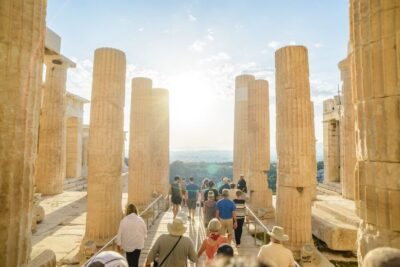
Acropolis: Premium Acropolis and Parthenon Guided Tour
Read our review →


Athens Scenic Electric Bike Tour with optional Acropolis visit
Read our review →
Acropolis monuments & Parthenon Walking Tour with Optional Acropolis Museum
Read our review →Browse the lists this tour appears in