
Reviewed · ACROPOLIS TICKETS & GUIDED TOURS
Athens: Acropolis Guided Walking Tour
The Acropolis makes sense in 2 hours. You’ll get temple-by-temple context and a real chance to ask questions in Spanish, and the walk turns famous ruins into a story you can actually follow. The one thing to plan for is the Acropolis entry ticket timing, since it’s optional and the time slots can be strict.
I like that this tour focuses on the why, not just the what. You’ll connect the Greek gods and festival traditions to the specific buildings you’re standing in front of, including the theater spaces where ceremonies and performances mattered. If you’re hoping for a super relaxed stroll with zero crowds or zero walking, the Acropolis top is still the Acropolis top.
You’ll finish with free time to stay longer and explore at your own pace, which is ideal if you want extra time for photos or to linger over details. Just remember that this is a walking tour with fixed stops, so you should come ready to move.
In This Review
- Key takeaways
- Entering the Acropolis With a Story, Not a Checklist
- Starting Points, Entry Tickets, and Your Best Timing Move
- Propylaea and Parthenon Views: The Acropolis Orientation Lesson
- Temple of Athena and the Festival Mindset You’ll Carry Forward
- Theater of Dionysus: 17,000 Seats and the Power of Performance
- Erechtheion and Herodes Atticus: Names You Can Place
- Caryatides and Athena Nike: Small Temple, Big Meaning
- The Guide Experience: Why Spanish Explanations Feel Personal
- How Much Time You Actually Get, and What to Do Next
- Price and Value: What You’re Really Paying For
- Who This Tour Suits Best
- Should You Book This Acropolis Guided Walking Tour?
- FAQ
- How long is the Athens Acropolis guided walking tour?
- What language is the guided tour offered in?
- Is the Acropolis entry ticket included?
- Do I need to buy entry tickets in advance?
- Where is the meeting point?
- Is hotel pickup or drop-off included?
- What food and drinks are included?
- Are baby strollers or wheelchairs allowed?
- Is there free cancellation?
Key takeaways
- Spanish licensed guide who can keep the myths clear and the pace friendly
- Propylaea to Parthenon orientation so the site feels less random
- Theater of Dionysus explained with scale, use, and festival context
- Erechtheion, Odeon of Herodes Atticus, and names that connect to story and function
- Caryatides and Athena Nike temple for the details that reward close looking
- Optional entry ticket means you must coordinate timing if you don’t add it to the booking
Entering the Acropolis With a Story, Not a Checklist
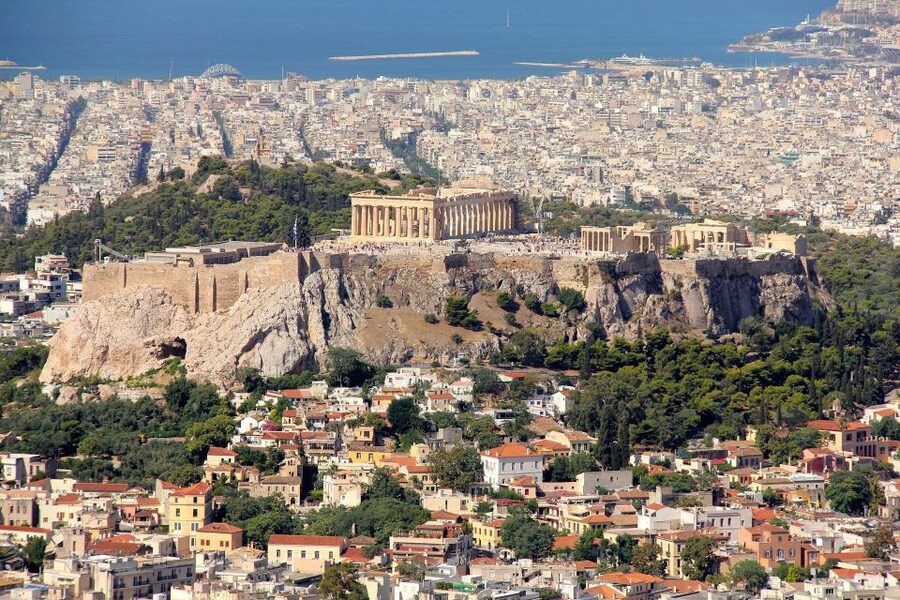
An Acropolis visit can feel like a pile of famous structures. This tour helps you read the site like a map, walking the main spine of the sanctuary and giving each stop a role in the bigger picture of Athens.
You’ll start with the gateway experience through the Propylaea, then move through the monumental views and the religious heart of the Acropolis dedicated to Athena, the goddess protector of the city. As you go, your guide ties mythology to the archaeology, so the names and symbols stop being trivia and start sounding like real cultural memory.
The value here is practical: in about two hours, you get enough context to understand what you’re looking at after the tour too. And because it’s a small group, it’s not just a lecture where you’re stuck listening and smiling.
More walking tours around Athens:
- Acropolis and Parthenon Guided Walking Tour
★ 5.0 · 4,755 reviews - Greek Food Walking Tour in Athens
★ 5.0 · 4,740 reviews - Athens: Guided Greek Food Walking Tour with Tastings
★ 4.9 · 2,859 reviews
Starting Points, Entry Tickets, and Your Best Timing Move
Meeting point can vary depending on the option you book, so make sure you check your exact pickup or meeting details before you head out. The tour language is Spanish, and it runs for about 2 hours, so you can plan the rest of your day without guessing.
Here’s the key ticket detail. If you book the option that does not include the entry ticket, you must buy the Acropolis ticket previously yourself. Ticket time slots can vary based on season, and the tour uses specific guidance on which entry window matches which tour start. In low season, for example, a 09:30 tour corresponds to the 09:00 to 10:00 ticket slot, and a 15:00 tour corresponds to the 15:00 to 16:00 ticket slot. In high season, the time mapping is different, including tour starts like 08:45, 09:45, 17:00, and 17:45, each tied to a specific 1-hour ticket window.
The easiest approach is to buy tickets online beforehand. If you end up buying at the ticket office, you need to go to the ticket office area of the South entrance about 30 minutes before your tour time, then walk to the meeting point, which is less than a 2-minute walk from there.
This part matters because the Acropolis is not forgiving about timing. If you arrive late, you risk missing the tour rhythm, and you may lose the most useful part, which is the guide’s explanations at each stop.
Propylaea and Parthenon Views: The Acropolis Orientation Lesson
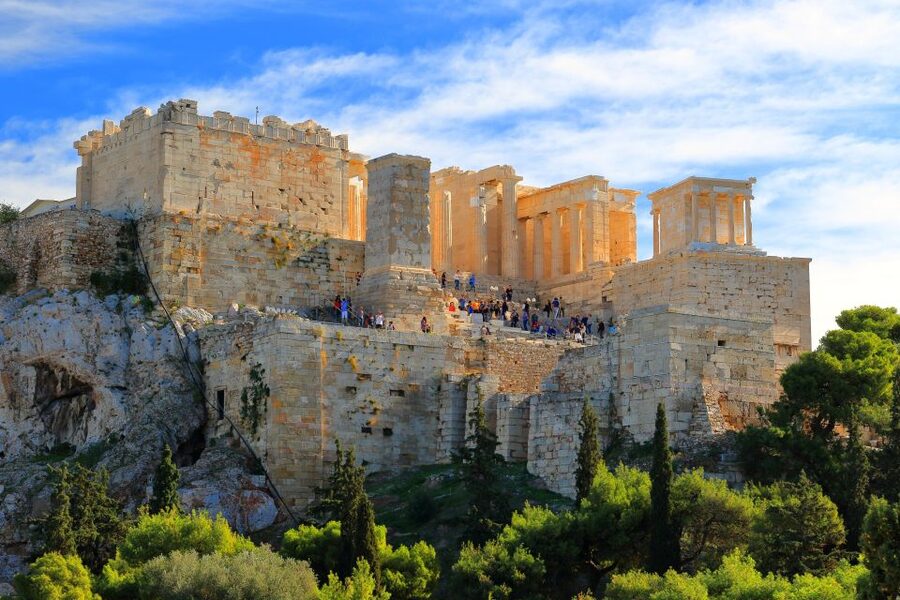
The Propylaea is your first big “aha” moment. It’s the monumental gateway into the rocky citadel, and it’s a natural place to reset your brain from city street mode into ancient sanctuary mode. Standing here, you get your bearings quickly, and the guide’s commentary helps you understand why this entry space was part of the experience, not just a doorway.
From there, you’ll look toward the Parthenon, one of the most celebrated temples associated with ancient Athens. The tour doesn’t treat the Parthenon like a postcard. Instead, you learn how the sanctuary relates to religious festivals and myths that were tied to real civic life. That’s the difference between seeing a building and understanding why it mattered.
One practical benefit: once you understand the layout, the rest of the walk feels less like random stops and more like a guided argument about power, devotion, and identity.
Temple of Athena and the Festival Mindset You’ll Carry Forward
As the tour moves deeper into the Acropolis, you’ll walk through the area dedicated to Athena, the protector goddess of the city. This is where the mythology lens becomes more than background. You start learning how ancient Athenians built meaning into their festivals, not just their temples.
Your guide’s explanations connect the ruins to Greek gods and fascinating mythology based on the archaeological setting. You’ll also hear about the long history of Athens as the capital of modern Greece, which helps you link ancient sacred space to the city you’re visiting now.
I like this approach because it keeps you from treating the Acropolis as a museum shelf. Instead, you get the sense of a living cultural system, where stories, rituals, and architecture were all part of the same language.
More Acropolis entries and guided walks:
- Athens: Acropolis & up to 5 Archaeological Sites Combo Pass
★ 4.2 · 13,904 reviews - Athens: Acropolis, Parthenon & Acropolis Museum Guided Tour
★ 4.8 · 9,316 reviews - The Acropolis, Parthenon & Acropolis Museum Guided Tour
★ 4.7 · 8,493 reviews - Acropolis: Premium Acropolis and Parthenon Guided Tour
★ 4.8 · 5,208 reviews
Theater of Dionysus: 17,000 Seats and the Power of Performance
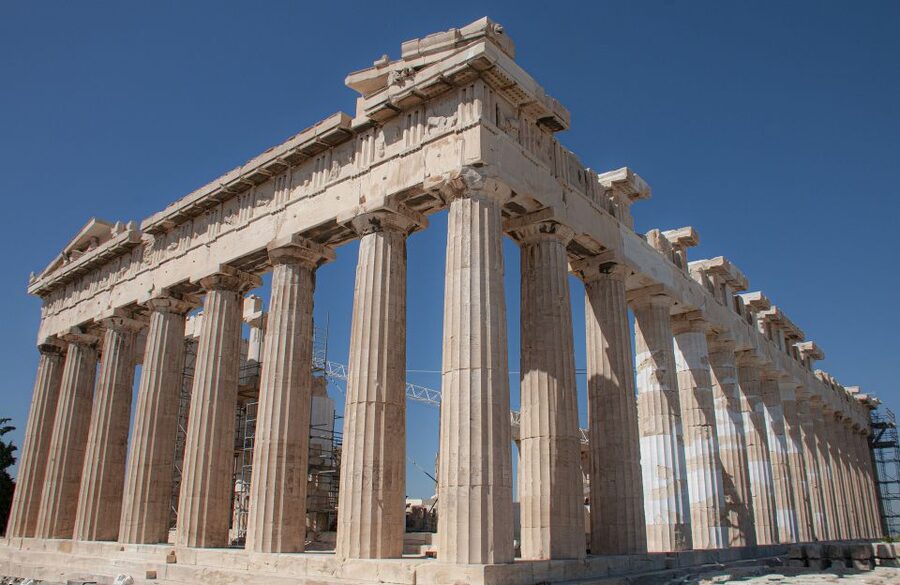
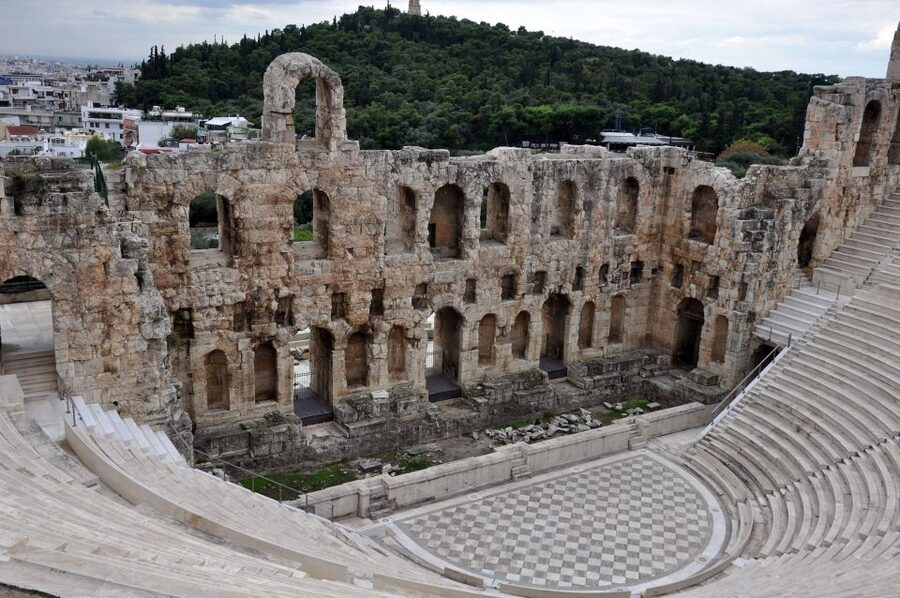
The theater of Dionysus is one of the most important stops on this walk because it shows the social function of the Acropolis, not only its religious one. The tour highlights that it held 17,000 spectators and was used for festivals honoring the birth of a Greek god.
Even if you do not know Greek tragedy details, scale does the teaching. A space that large means events were civic. People gathered, stories were performed, and public identity was shaped through art and ritual.
The guide’s job here is to connect the physical structure to the cultural practice. That matters because theaters can look similar across history, but this one is deeply tied to Athenian festival life. When the guide explains the mythology behind the setting, it makes the stones feel less silent.
Erechtheion and Herodes Atticus: Names You Can Place
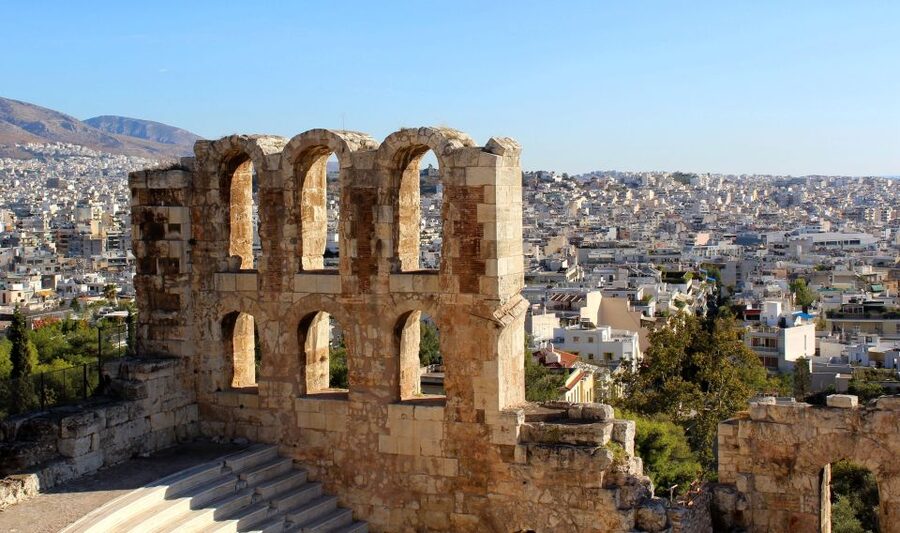
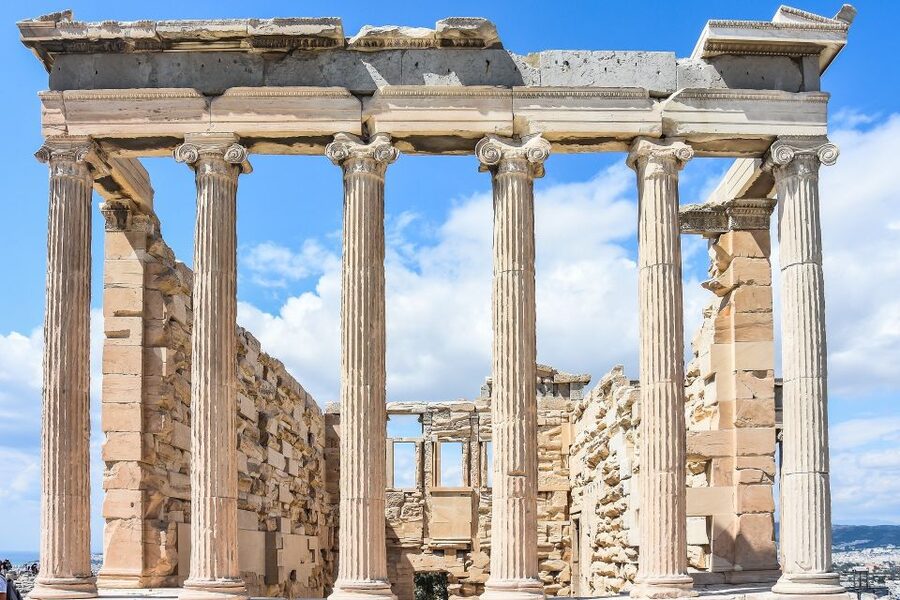
Next comes Erechtheion, named after the demi-god Erechtheus. This stop works well because the building name is not just a label. It becomes a clue to meaning, and the guide’s commentary helps you connect the myth layer with what you’re physically seeing in front of you.
You’ll also visit the Odeon of Herodes Atticus, described as a giant stone theater. This is a chance to compare how different performance or civic spaces were built within the sacred area. And because your guide keeps explaining as you move, you avoid the common problem of leaving with photos but no framework.
If you enjoy architecture that has a story attached, this part is where the tour earns its keep. You see details and you understand why they exist.
Caryatides and Athena Nike: Small Temple, Big Meaning
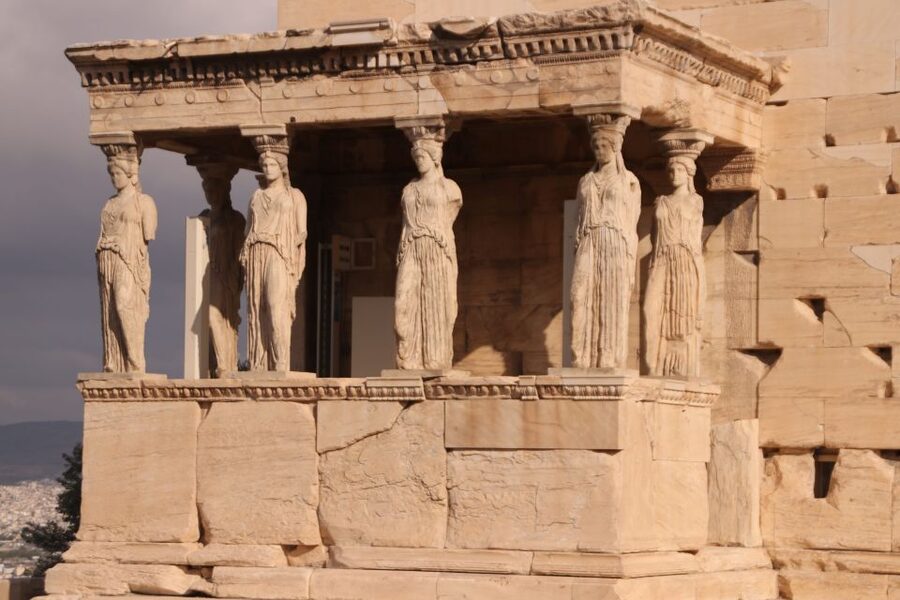
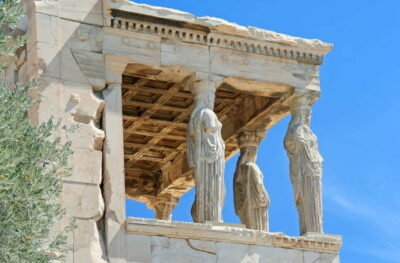
At this stage, the tour gets more detail-focused. You’ll look at the Caryatid stone carvings. These are the kind of element you could easily overlook on your own if you are rushing between the headline buildings.
Then you’ll reach the Temple of Athena Nike, the smallest temple. That scale difference is exactly why it’s memorable. You get close enough to appreciate how the Acropolis includes not just massive monuments, but also more intimate religious spaces.
The guide ties what you’re seeing back into Greek gods and mythology. It’s a good reminder that ancient Athenians didn’t treat devotion as one size fits all. A smaller temple can still carry strong identity, especially when it honors the goddess in a specific way.
This is also where I find the small-group format shines. When you can ask questions and get answers at the right moment, you remember more of what you saw.
The Guide Experience: Why Spanish Explanations Feel Personal
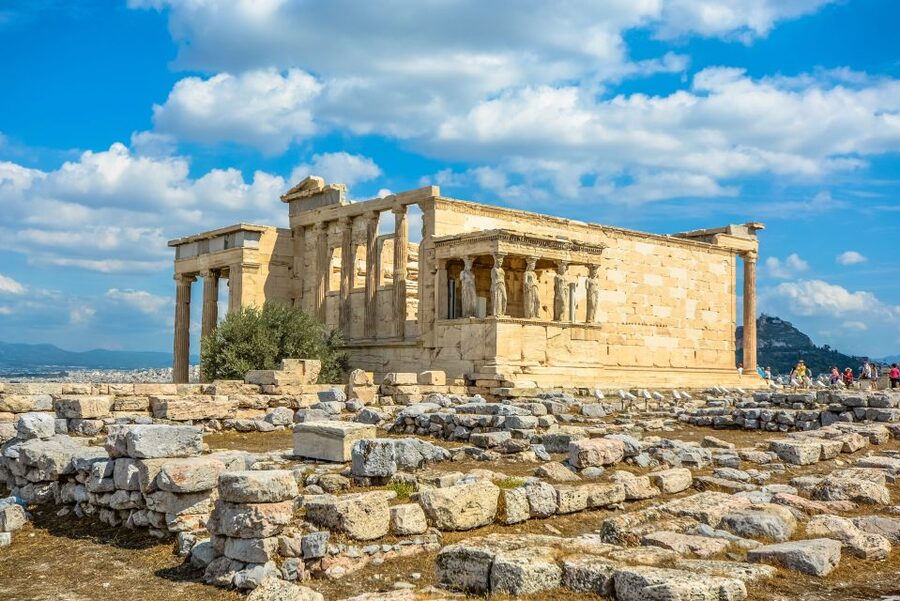
The tour is led by a licensed guide, and it’s in Spanish. That language choice matters because it keeps you from relying on a quick audio description that leaves you guessing.
The standout theme from the tour experience is the guide’s communication style. People specifically call out Sara as exceptional, professional, and someone who added humor while describing historical details and architecture. That mix is practical: humor lowers the stress of learning, and clear explanations keep the myths from turning into confusing name lists.
If you speak Spanish or you want a Spanish-led cultural experience, this tour is a strong fit. If you do not, you’ll still get value from the visuals and the structure of the walk, but you might need to mentally work harder to catch every detail.
How Much Time You Actually Get, and What to Do Next
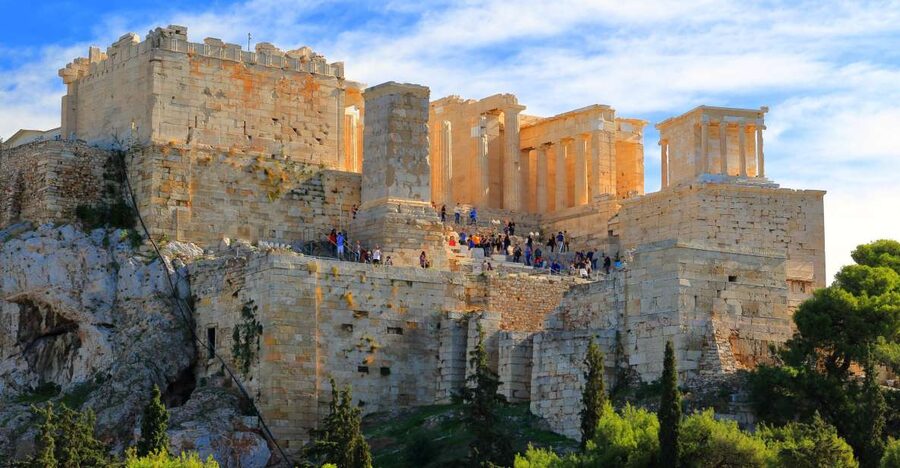
The guided portion is 2 hours, and the tour ends with free time to stay longer at your own pace. I like this setup because it respects two types of visitors. Some people want a guided framework so they do not get lost in famous ruins. Others want time to slow down once they understand what they’re looking at.
Use the free time to do your own second pass on the elements that grabbed you most. If the theater concept stayed in your mind, you can spend extra moments on the seating and angles. If the myth details stuck, look again at the Caryatides and the smaller Athena Nike space with fresh eyes.
A smart strategy is to decide in the first half what you’re most curious about, then use your own time to hunt for those answers in the stone.
Price and Value: What You’re Really Paying For
At $34 per person, this is not a budget tour where you get very little guidance. It’s a relatively focused, 2-hour guided walk through one of Europe’s busiest archaeological sites, and the price buys you something you cannot easily recreate on your own.
You’re paying for:
- a structured route that orients you fast through Propylaea, key temples, and theaters
- licensed commentary that connects mythology and festival context to visible ruins
- a small-group format with time for questions
- the practical reality of not having to research what each stop means while you’re standing there
If you add up the cost of a ticket plus the time you spend figuring out what to look at, the guide can start to feel like the cheaper option for getting understanding, not just scenery.
One caution for value. If you book without the entry ticket included, you must buy your own ticket in the matching slot system. That cost can be the same, but the planning burden is on you. If you prefer less hassle, choose the option that includes the ticket when possible.
Who This Tour Suits Best
This is a good match if you want:
- a clear Acropolis orientation without spending hours studying maps
- Greek mythology explained in a way that stays connected to the ruins
- a small group experience with the chance to ask questions
- Spanish-language guided learning, especially if you already speak the language or want to practice
It’s also a good choice for first-timers who feel overwhelmed by how much there is on the hill. The tour gives you a “best route” logic and a story framework, so you don’t leave with a handful of random photos.
It may be less ideal if you need a fully flexible pace, or if your priority is deep, museum-style analysis with long stops at every detail. This is designed as a focused walk.
Should You Book This Acropolis Guided Walking Tour?
If you want the Acropolis to feel meaningful in a short visit, I’d book it. The combination of Spanish licensed guidance, a small group feel, and major stops like theater of Dionysus, Erechtheion, Caryatides, and the Temple of Athena Nike makes it efficient and memorable.
Just check one thing before you commit: your entry ticket setup. If you’re not selecting the option with the entry ticket, plan your purchase early and align your time slot with your tour start. Do that, show up with a little patience for the hill and crowds, and you’ll walk away with a far clearer understanding of what you saw.
FAQ
How long is the Athens Acropolis guided walking tour?
The tour duration is 2 hours.
What language is the guided tour offered in?
The live tour guide speaks Spanish.
Is the Acropolis entry ticket included?
It can be optional. If you choose the option without the entry ticket, you must buy the ticket previously yourself.
Do I need to buy entry tickets in advance?
Yes, you are recommended to buy tickets online beforehand. If you buy at the ticket office, you should go to the South entrance ticket office area around 30 minutes before the tour time.
Where is the meeting point?
The meeting point may vary depending on the option booked. After receiving tickets at the South entrance area, the meeting point is less than a 2-minute walk away.
Is hotel pickup or drop-off included?
No, hotel pickup and drop-off are not included.
What food and drinks are included?
Food and drinks are not included.
Are baby strollers or wheelchairs allowed?
No baby strollers are allowed. Non-folding wheelchairs and electric wheelchairs are also not allowed.
Is there free cancellation?
Yes, free cancellation is available up to 24 hours in advance for a full refund.
Freshly listed near Athens
- Private Guided Tour: Athens, Acropolis and Acropolis Museum★ 4.9 · 62 reviews
- Private Athens Tour with a Local- Highlights & Hidden Gems★ 4.9 · 64 reviews
- Athens: Private Acropolis Tour with focus on Kids & Families★ 4.8 · 51 reviews
- Piraeus Port: Acropolis Museum and Parthenon Mythology Tour★ 3.7 · 29 reviews
- Poros Island: Full Day Trip From Athens with Swimming★ 4.8 · 33 reviews
- Athens: Ouzo Tasting at Brettos Plaka★ 4.3 · 32 reviews
- Athens Old Town: Greek Olive Oil & Herbs Tasting★ 4.2 · 41 reviews
- No Diet Club – Unique local Food Tour in Athens!★ 4.9 · 38 reviews
Acropolis Tickets & Guided Tours, compared.
Acropolis & up to 5 Archaeological Sites Combo Pass
Read our review →
Acropolis Ticket with Optional Audio or Live Guide
Read our review →
Acropolis, Parthenon & Acropolis Museum Guided Tour
Read our review →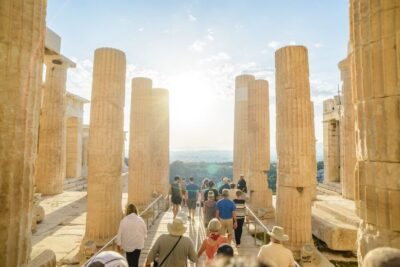
Acropolis: Premium Acropolis and Parthenon Guided Tour
Read our review →


Athens Scenic Electric Bike Tour with optional Acropolis visit
Read our review →
Acropolis monuments & Parthenon Walking Tour with Optional Acropolis Museum
Read our review →Browse the lists this tour appears in