
Reviewed · DAY TRIPS & EXCURSIONS FROM ATHENS
3-Day Ancient Greek Archaeological Sites Tour from Athens
Three days can change how you see Greece. This 3-day classical Greece archaeology tour takes you from Athens to Mycenae, Delphi, and Olympia, with carbon-neutral transport and constant story context that turns ruins into named places and memorable moments. I especially like how the site visits and well-run museum time go together, because you see artifacts right where the ancient world would have made sense of them.
One watch-out: the schedule is busy, and in warm weather you can feel it, especially during long stretches of sun around Olympia and Delphi. Still, I like that the pace includes breaks, that guides know how to manage groups on-site, and that the bus ride is comfortable enough to keep the day from feeling like a slog.
In This Review
- Quick hits: what makes this tour worth your time
- A tight Athens to Peloponnese and back route that actually fits 3 days
- Day 1: Epidaurus theater, Nafplio, and Mycenae’s citadel and Tomb of Agamemnon
- Corinth Canal and the road into the Peloponnese
- Epidaurus: why the theater is more than a pretty ruin
- Nafplio: a pleasant break before the big hitters
- Mycenae citadel ruins and the Tomb of Agamemnon
- Overnight stop: Olympia
- Day 2: Olympia temples, the Olympic flame altar, and the museum you’ll be glad you didn’t skip
- Temples of Zeus and Hera and the stadium remains
- The Archaeological Museum of Olympia, opposite the ruins
- Crossing to Delphi via Rion to Antirion bridge, coastal road, and Nafpaktos
- Arachova: a mountain village stop before your Delphi night
- Day 3: Delphi’s Apollo sanctuary, Oracle stories, and a theater with big views
- Delphi archaeological site: Python, Gaia, and the idea of the center of the world
- Temple of Apollo and what the Oracle meant
- Delphi theater: up to 5,000 spectators and stunning lines of sight
- Delphi museum: artifacts that make the place feel whole
- Return drive to Athens through the Parnassus and Phocis valleys
- Hotels, meals, and the pace that keeps the history from turning into stress
- Hotel tax is extra
- Pace: active days with regular breaks
- Guides and bus drivers: what makes the difference on this route
- Group size and comfort on the road
- Luggage issues, on rare occasions
- Price and value: what you’re really paying for at $506 per person
- Practical tips that will save you energy on Olympia and Delphi
- Who should book this tour, and who might want a different plan
- Should you book the 3-day Ancient Greek Archaeological Sites Tour from Athens?
- FAQ
- What sites are included on the 3-day tour?
- How long is the tour?
- What is the price per person?
- Is the tour carbon-neutral?
- What is included in the price?
- What meals are included and what is not?
- Is pickup from Athens included?
- Do I need to pay hotel tax?
- What language is the live guide?
- Is the tour wheelchair accessible?
Quick hits: what makes this tour worth your time
- Myth-first explanations that connect Gaia, Apollo, and the Olympic Games to what you’re standing in front of
- Epidaurus theater with a special focus on acoustics, plus time to look around beyond the main viewing areas
- Mycenae highlights including the citadel ruins and the Tomb of Agamemnon
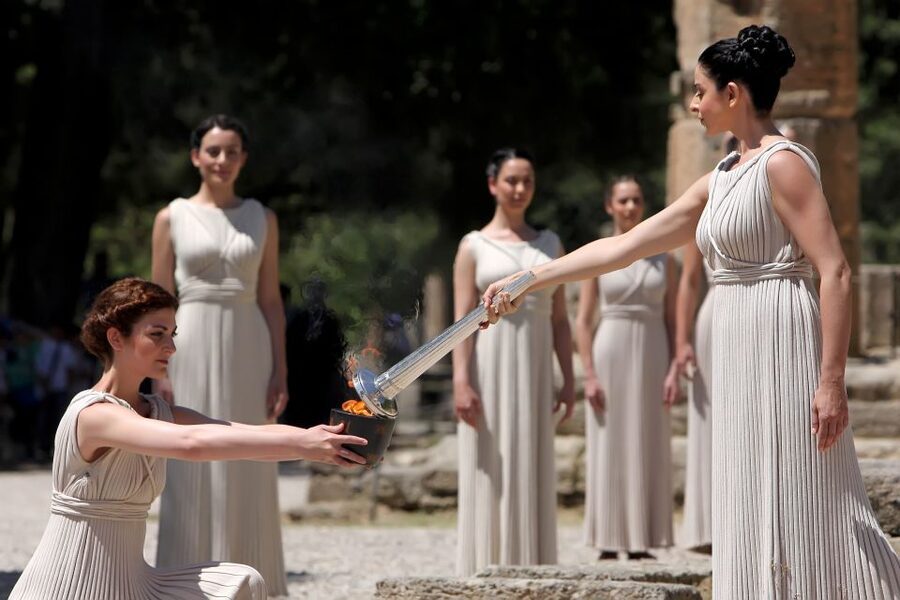
- Olympia plus its museum, with the altar of the Olympic flame and major temple remains
- Delphi’s Apollo sanctuary and theater views high on Mount Parnassus
- Air-conditioned coach transfers and included entrance fees so you can focus on the sites
A tight Athens to Peloponnese and back route that actually fits 3 days
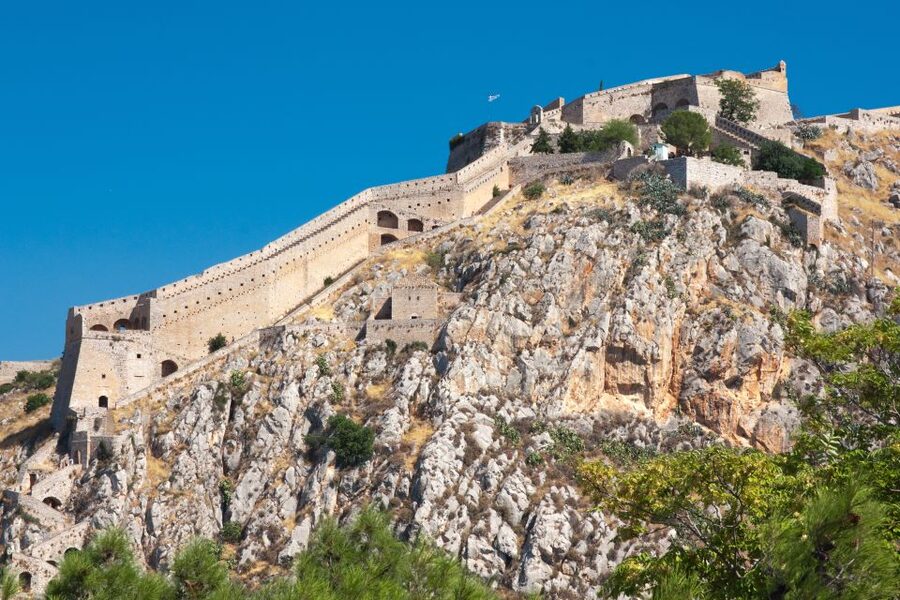
The smart thing about this itinerary is the order. You start with the Argolid region (Epidaurus, Nafplio, Mycenae), then shift west to Olympia, and end up at Delphi before returning to Athens. That gives you a clear sweep through key powers and belief centers of classical Greece without asking you to drive yourself across long distances.
You also get a few extras that help break up the road time. There’s a stop to admire the Corinth Canal, a 19th-century engineering feat that still feels dramatic from the roadside. Later, you cross the Rion to Antirion bridge across the Corinthian Bay, and you also pass the harbor town of Nafpaktos. These are quick moments, but they add modern geography so the ancient map stops feeling abstract.
Finally, this tour is built around guided interpretation, not just ticket scanning. English-speaking guides on this route are repeatedly praised for explaining the myths alongside the archaeology, and for giving you enough guidance to feel confident at each stop without rushing you through every corner.
More day trips out of Athens:
- From Athens: Hydra, Poros, and Aegina Day Cruise with Lunch
★ 4.1 · 4,305 reviews - Cape Sounion and Temple of Poseidon Half-Day Small-Group Tour from Athens
★ 4.5 · 3,205 reviews - From Athens: Delphi Full Day V.R. Audio Guided Tour
★ 4.6 · 3,028 reviews
Day 1: Epidaurus theater, Nafplio, and Mycenae’s citadel and Tomb of Agamemnon
Day 1 is where the tour earns its keep fast, because it mixes famous classical sites with the kind of stops that make the region feel real.
Corinth Canal and the road into the Peloponnese
After leaving Athens, you’ll visit the Corinth Canal on the Saronic Gulf. Even if you’re not an engineering person, it helps to see what Greeks built once travel corridors mattered. Then you head toward Epidaurus, with the drive using towns as stepping stones rather than endless highway time.
Epidaurus: why the theater is more than a pretty ruin
At Epidaurus, your main draw is the ancient theater, famous for its outstanding acoustics. The theater is easy to understand even from ground level, but what makes it feel special on a guided tour is the way a good guide frames it as a cultural machine. You’re not just looking at stone seats. You’re looking at a place built for performance, poetry, and shared experience.
Practical note: Epidaurus can be exposed in parts. If you’re traveling during hot months, you’ll want sun protection and a willingness to take advantage of shade whenever you find it.
Other ways to spend the day near Athens
- Athens: Acropolis & up to 5 Archaeological Sites Combo Pass
★ 4.2 · 13,904 reviews - Athens: Acropolis, Parthenon & Acropolis Museum Guided Tour
★ 4.8 · 9,316 reviews - The Acropolis, Parthenon & Acropolis Museum Guided Tour
★ 4.7 · 8,493 reviews - Athens: Cape Sounion & Poseidon Temple Sunset Half-Day Trip
★ 4.8 · 8,241 reviews
Nafplio: a pleasant break before the big hitters
Next comes Nafplio, the former capital of the First Hellenic Republic. This is a useful transition stop. You get to break up the day, walk around a bit, and reset your brain before Mycenae, which can hit you all at once.
The drive also goes through the plain of Argos, so you’re seeing the wider setting instead of treating the sites like isolated dots on a map.
Mycenae citadel ruins and the Tomb of Agamemnon
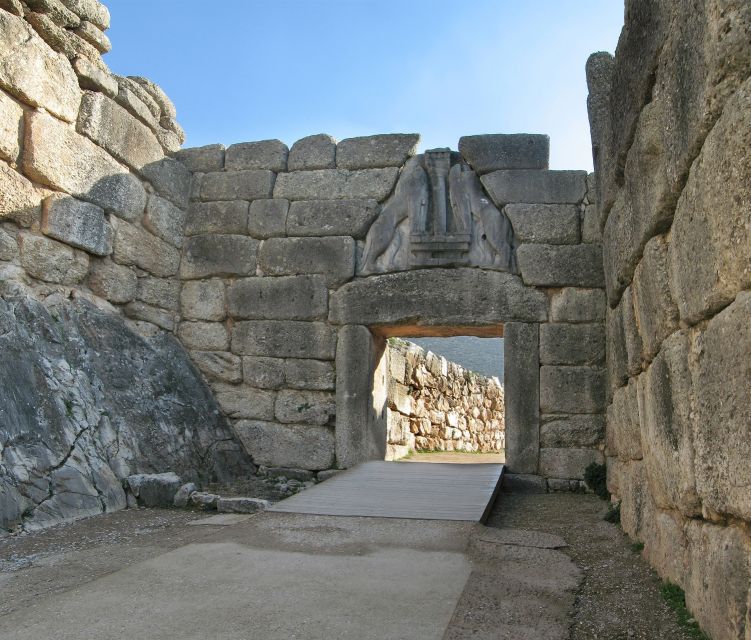
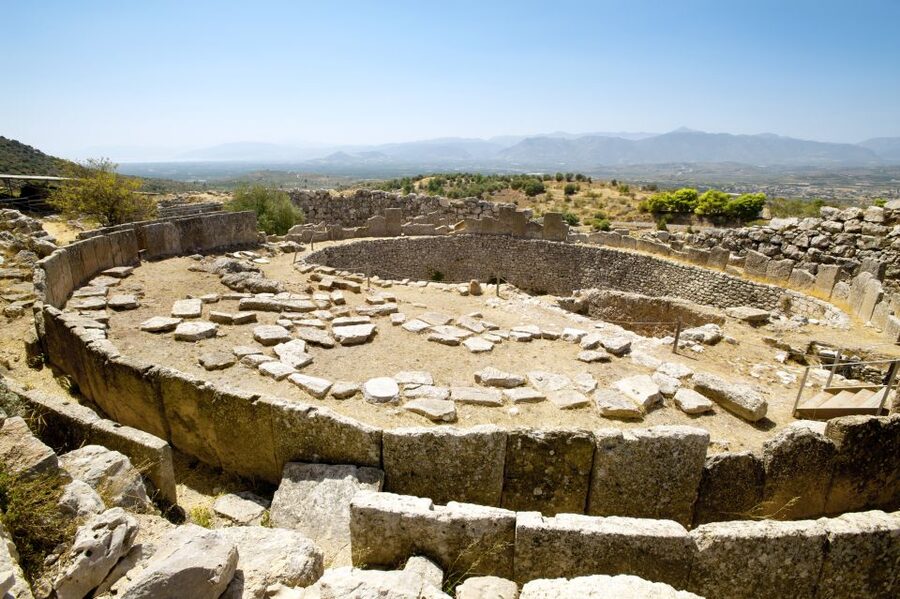
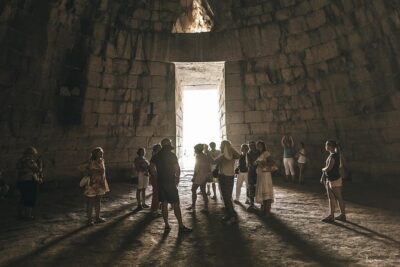
At Mycenae, you’ll visit the citadel ruins and the Tomb of Agamemnon. The big value here is perspective. From the citadel area, you can start to understand why Mycenae mattered and how fortification shaped life. And because the tour connects what you see to stories, the Tomb of Agamemnon stops being just a famous name and starts to feel like a focal point of power and memory.
Overnight stop: Olympia
You end Day 1 with an overnight in Olympia, traveling via Tripolis and Megalopolis. Those are not just bus-stop towns. They’re part of the route’s rhythm, with short stops for stretching and breaks to keep everyone functioning.
Day 2: Olympia temples, the Olympic flame altar, and the museum you’ll be glad you didn’t skip
Olympia is the heart of this trip in terms of sport and religion, and it’s also where the guides’ storytelling often lands hardest.
Temples of Zeus and Hera and the stadium remains
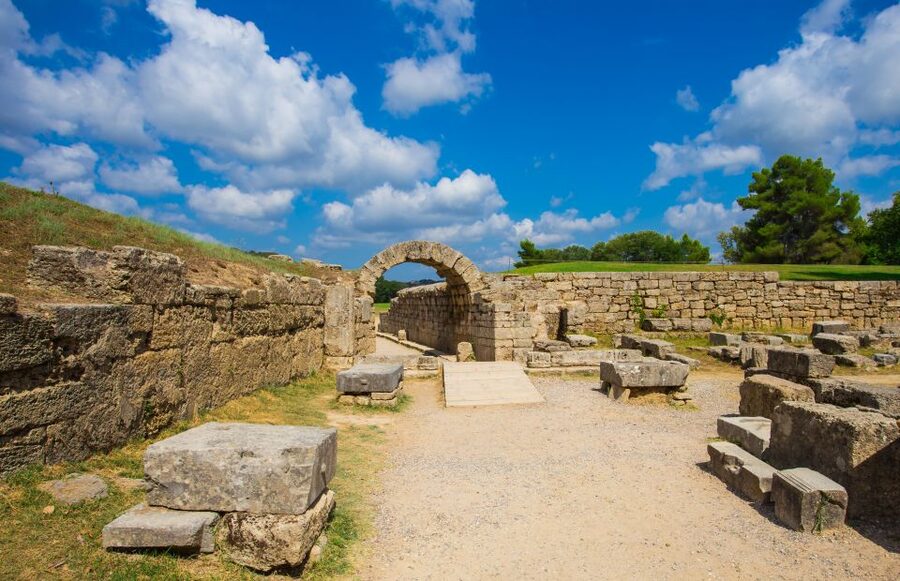
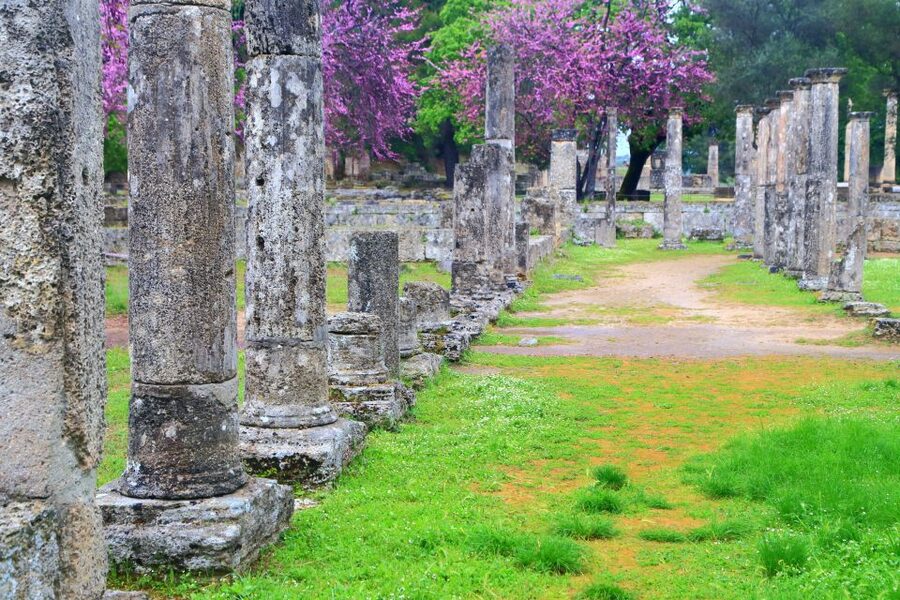
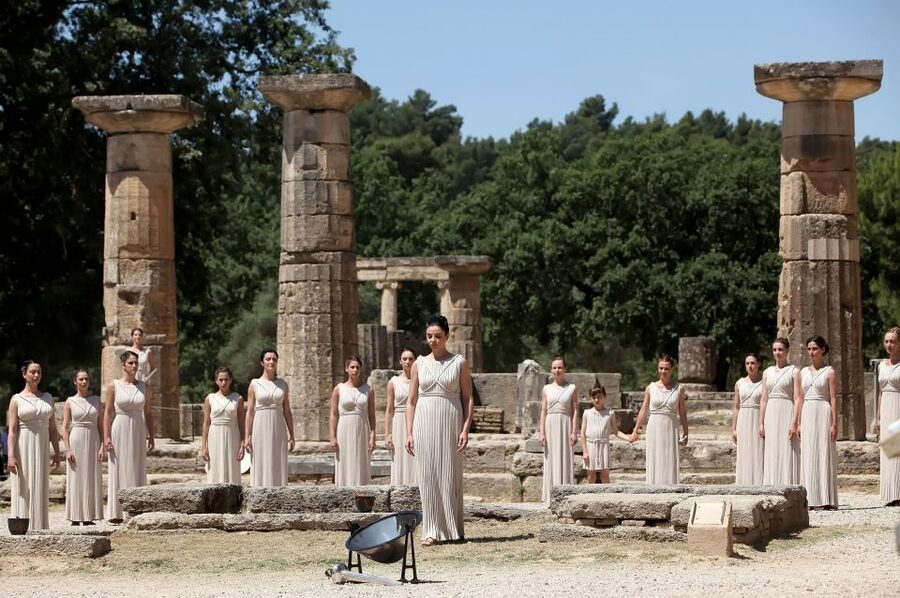
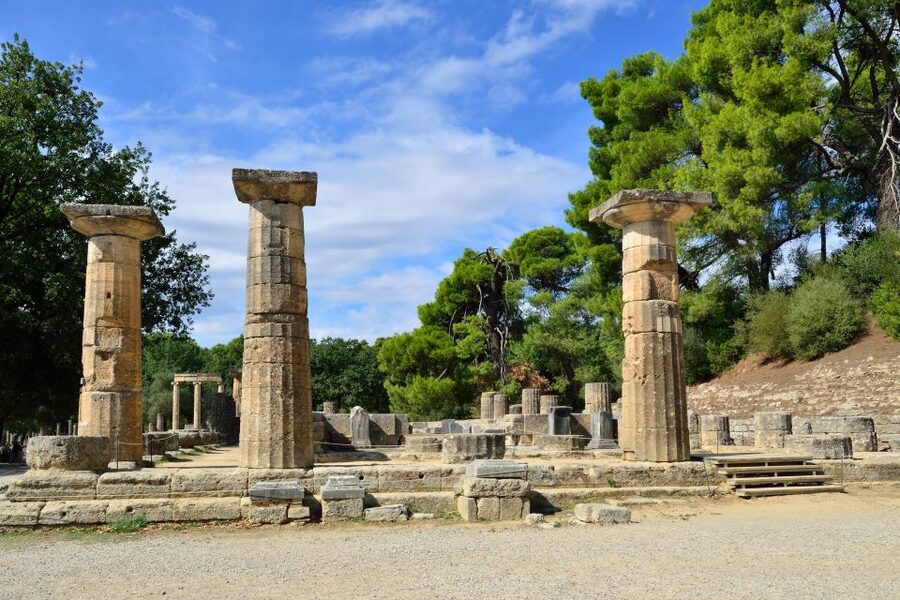
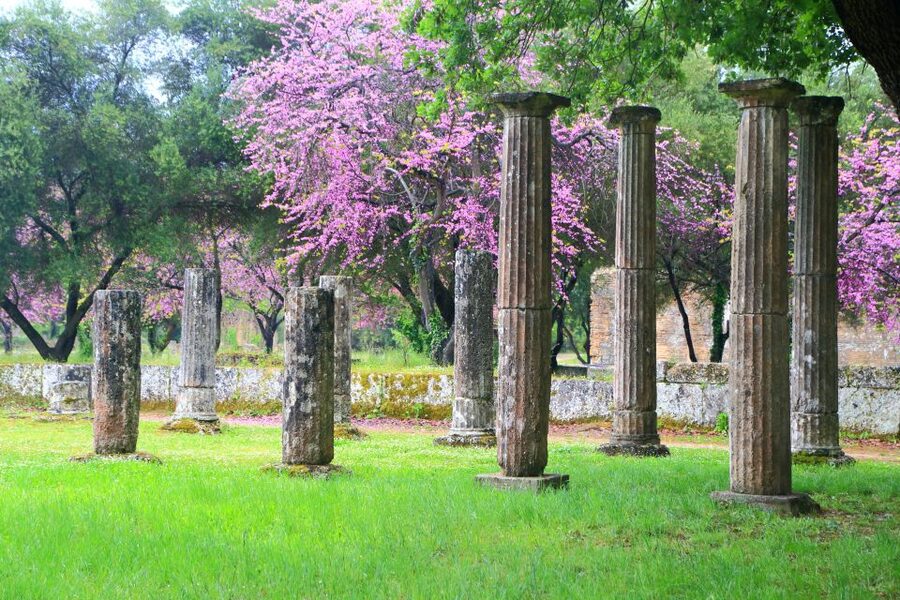
In Olympia, you’ll see major remains including Doric columns of the Temples of Zeus and Hera, plus the stadium area. What I like about seeing these as part of a guided loop is that the guide doesn’t treat them as separate monuments. You start to connect the sacred space to the idea of organized competition and civic identity.
You’ll also have time at the altar of the Olympic flame, which is the kind of modern reference point that helps you feel the symbolic continuity between then and now.
The Archaeological Museum of Olympia, opposite the ruins
One of the best choices on this itinerary is that the Archaeological Museum of Olympia sits directly opposite the ruins, and you get to visit it. The museum experience matters because many things you’re looking at outdoors are fragments. Indoors, excavated artifacts help you picture what the sites likely looked like in fuller form.
If you only did the outdoors, Olympia could feel like stone and sun. With the museum, it becomes a story you can actually test with objects.
Crossing to Delphi via Rion to Antirion bridge, coastal road, and Nafpaktos
After Olympia, you drive to Rion and cross to Antirion via the bridge. Then you follow a coastal road that passes Nafpaktos, with a change of scenery as you head toward Delphi.
Arachova: a mountain village stop before your Delphi night
In the afternoon you visit Arachova, a picturesque mountain village on the slopes of Mount Parnassus. This is a good “wind-down” stop. It helps you shift from the big myth-sport atmosphere of Olympia to the cooler, sacred mountain vibe of Delphi.
Day 3: Delphi’s Apollo sanctuary, Oracle stories, and a theater with big views
Delphi is the grand finale. It’s perched high enough that you feel the drama of the setting, and it’s a place where myths and geography really do reinforce each other.
Delphi archaeological site: Python, Gaia, and the idea of the center of the world
Your Day 3 experience starts with the Delphi archaeological site on Parnassus. The tour frames Delphi as a center of the ancient world, tied to worship of Gaia, and guarded in myth by a Python that Apollo is said to have killed.
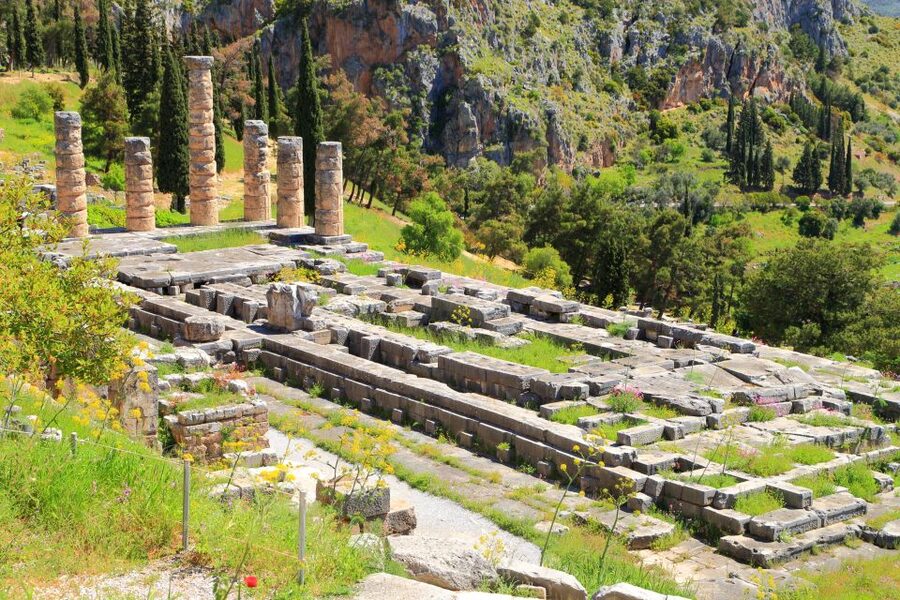
That kind of context helps you read Delphi as a system, not a random collection of stones. Even if only some elements are visible, the guide explains how the myths shaped how people understood the terrain.
Temple of Apollo and what the Oracle meant
You’ll visit the temple dedicated to Apollo and learn about the Oracle of Delphi. This is where you start linking the spiritual and political sides of ancient life. People traveled here for guidance, and Delphi’s power came from that role.
Delphi theater: up to 5,000 spectators and stunning lines of sight
Next comes the theater. You’ll learn it could hold up to 5,000 spectators, and you’ll see why. Even with ruins, the seating layout communicates scale, and the views over the valley help you understand why performance and ceremony belonged in the same cultural package.
Delphi museum: artifacts that make the place feel whole
You’ll also visit the Archaeological Museum of Delphi, which houses an impressive collection of artifacts connected to the ancient site. This is the second day on this tour where museum time genuinely improves what you see outdoors, because Delphi outdoors includes lots of architectural traces and scattered pieces.
Return drive to Athens through the Parnassus and Phocis valleys
In the afternoon you head back to Athens, driving through vine and olive tree-studded hills around Parnassus and the Valley of Phocis. It’s a slower close to the trip, like the tour is letting you digest what you just learned.
Hotels, meals, and the pace that keeps the history from turning into stress
You’re sleeping in 3-star or 4-star hotels, depending on the option you choose. The tour includes breakfast and dinner, and it also includes entrance fees and transfers by air-conditioned bus. Lunch and drinks are not included, so plan on lunch on your own unless the schedule includes short breaks where you can grab something nearby.
Meals are a real part of the value here. One reviewer praised dinners as especially good, and another mentioned that gluten-free needs, including celiac disease, were handled at each location. If you have dietary restrictions, this is exactly the kind of tour where you should communicate them clearly ahead of time so meals stay smooth.
Hotel tax is extra
Plan for a hotel accommodation tax that’s paid directly at the hotel. It’s listed as €10 per room per night for 4-star and €5 per room per night for 3-star.
Pace: active days with regular breaks
This is not a sit-and-watch-your-map trip. It moves. But the rhythm is designed around practical stops, and many guides are praised for finding shade so you can listen without baking in the sun.
One small caution from real experience: the schedule can feel hectic because the sites are spread out. If you hate tight timing, you might feel rushed. If you like structured momentum and guided context, it usually works well.
Guides and bus drivers: what makes the difference on this route
On tours like this, the guide is not a bonus. It’s the product. And this one has strong feedback about guides across different names, including Anna and Panos, Marianna Tsigaridou, Mando and Giannis, Dimitris, and Evan. The common thread is clear directions, myth storytelling that stays coherent, and a sense of humor that helps everyone relax.
You’ll also notice how much safer and easier the day feels when someone is managing logistics. Multiple people highlighted that the tour team helped them know exactly where to go and what to expect, especially at busy moments in Mycenae and Delphi.
Group size and comfort on the road
The tour uses luxury air-conditioned bus transfers, and you’ll have a comfortable ride with charging ports mentioned in one account. Group size can affect your experience. A smaller feeling group can help you bond during breaks, and that seems to happen often on a 3-day format.
Luggage issues, on rare occasions
One review mentioned a luggage delay for 24 hours and a lack of compensation for toiletries during that time. That’s not the norm suggested by the overall experience, but it is a good reminder: pack a small day bag with essentials so your trip stays comfortable if anything goes sideways.
Price and value: what you’re really paying for at $506 per person
At $506 per person for 3 days, the headline number looks simple. The real value is what you get bundled:
- 3-star or 4-star hotel for 2 nights (depending on option)
- Breakfast and dinner
- Entrance fees
- A live English guide
- Air-conditioned bus transfers across long distances
If you tried to piece it together alone, you’d pay for transport, tickets, and time lost coordinating schedules, and you’d still need someone to explain why each site matters. This tour pays for that thinking up front, which is especially valuable at places like Delphi, where the ruins can be hard to interpret unless you have a guide to connect the dots.
So yes, it’s not a cheap trip, but for many people it ends up being a cost-effective way to see four major classical sites with less hassle than DIY.
Practical tips that will save you energy on Olympia and Delphi
Hot weather makes this itinerary feel more intense. One account mentioned 35°C and scrambling for shade during Olympia and Delphi. You can’t control the sun, but you can control your preparation.
Bring:
- Big hat and sunglasses
- Something for sun coverage like an umbrella if you’re comfortable with it
- Sunscreen and a habit of taking shade breaks whenever you spot them
Also, take photos as you walk. A specific tip that came up: there’s often not enough time to circle back for details, so it’s smart to photograph as you go.
Finally, plan your energy. This is a history tour with walking, not a museum day where you can slow down at every bench. If you pace yourself and use break times well, the days feel full but manageable.
Who should book this tour, and who might want a different plan
This tour fits best if you:
- Want a fast, guided overview of classical Greece sites without driving
- Love myth and want it explained in plain language tied to real places
- Like museums as part of the experience, not optional add-ons
- Prefer structure, including knowing meet-up times and where to go next
It may be less ideal if you:
- Need a wheelchair-accessible route (the tour is not suitable for wheelchair users)
- Want slow travel with lots of independent wandering
- Get frustrated by busy schedules or high-heat conditions
The good news is that many guides on this route are praised for adjusting to how people are doing physically on-site, like finding shade and controlling pacing.
Should you book the 3-day Ancient Greek Archaeological Sites Tour from Athens?
If you want to see Epidaurus, Mycenae, Olympia, and Delphi in a single 3-day sweep, with a guide who connects myths to what you’re standing in front of, this is a strong value. The inclusion of hotels, entrance fees, and meals cuts down on decision fatigue, and the museum time at both Olympia and Delphi helps the ruins make sense.
I’d book it if you like structure and you’re okay with a full day of movement. I’d think twice if you’re traveling in peak heat and dislike sun exposure, or if you hate tight schedules.
If you’re choosing between doing this alone versus with a guide, this tour is one of those rare cases where guidance is the reason it feels rewarding, not just the icing.
FAQ
What sites are included on the 3-day tour?
You’ll visit Epidaurus (ancient theater), Nafplio, Mycenae (citadel ruins and the Tomb of Agamemnon), Olympia (Olympic flame altar, temples area, stadium remains), Delphi (archaeological site and theater), plus stops like the Corinth Canal, the Rion to Antirion bridge, Nafpaktos, and Arachova.
How long is the tour?
The tour lasts 3 days.
What is the price per person?
The price is listed as $506 per person.
Is the tour carbon-neutral?
The highlights describe the tour as having zero carbon footprint.
What is included in the price?
Included items are the guide, accommodation in a 3-star or 4-star hotel option, entrance fees, transfers by luxury air-conditioned bus, and breakfast and dinner.
What meals are included and what is not?
Breakfast and dinner are included. Lunch and drinks are not included.
Is pickup from Athens included?
Yes. Free pickup is available from many centrally located Athens hotels on request, about 1 hour before departure. You can also meet at the supplier’s office 15 minutes before departure.
Do I need to pay hotel tax?
Yes. A hotel accommodation tax is applied and paid directly to the hotel. It is listed as €10 per room per night for 4-star hotels and €5 per room per night for 3-star hotels.
What language is the live guide?
The live tour guide is in English.
Is the tour wheelchair accessible?
No, it is not suitable for wheelchair users.
Freshly listed near Athens
- Private Guided Tour: Athens, Acropolis and Acropolis Museum★ 4.9 · 62 reviews
- Private Athens Tour with a Local- Highlights & Hidden Gems★ 4.9 · 64 reviews
- Athens: Private Acropolis Tour with focus on Kids & Families★ 4.8 · 51 reviews
- Poros Island: Full Day Trip From Athens with Swimming★ 4.8 · 33 reviews
- Piraeus Port: Acropolis Museum and Parthenon Mythology Tour★ 3.7 · 29 reviews
- Athens: Ouzo Tasting at Brettos Plaka★ 4.3 · 32 reviews
- Athens Old Town: Greek Olive Oil & Herbs Tasting★ 4.2 · 41 reviews
- No Diet Club – Unique local Food Tour in Athens!★ 4.9 · 38 reviews
Day Trips & Excursions from Athens, compared.
Hydra, Poros, and Aegina Day Cruise with Lunch
Read our review →
Cape Sounion and Temple of Poseidon Half-Day Small-Group Tour from Athens
Read our review →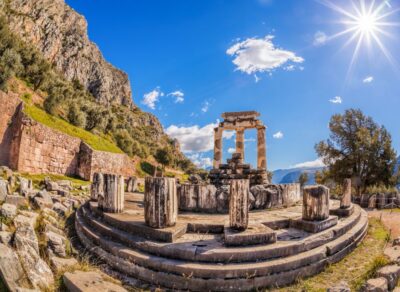
Small-Group Mycenae, Epidaurus & Nafplio Trip
Read our review →
Small-Group Delphi, Museum & Arachova Day Trip
Read our review →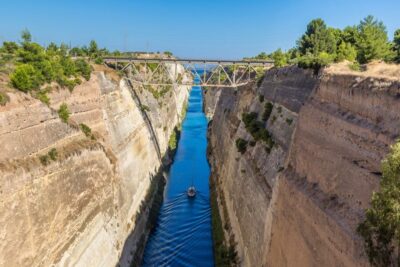
Mycenae, Epidaurus and Nafplio Tour from Athens
Read our review →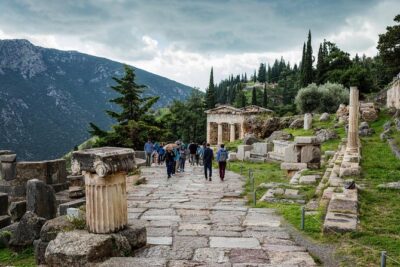
Delphi English Day Trip from Athens with Official Guide
Read our review →
Luxury Catamaran Cruise from Athens with Traditional Greek Meal and BBQ
Read our review →Browse the lists this tour appears in